Hackney's Railway Connectivity
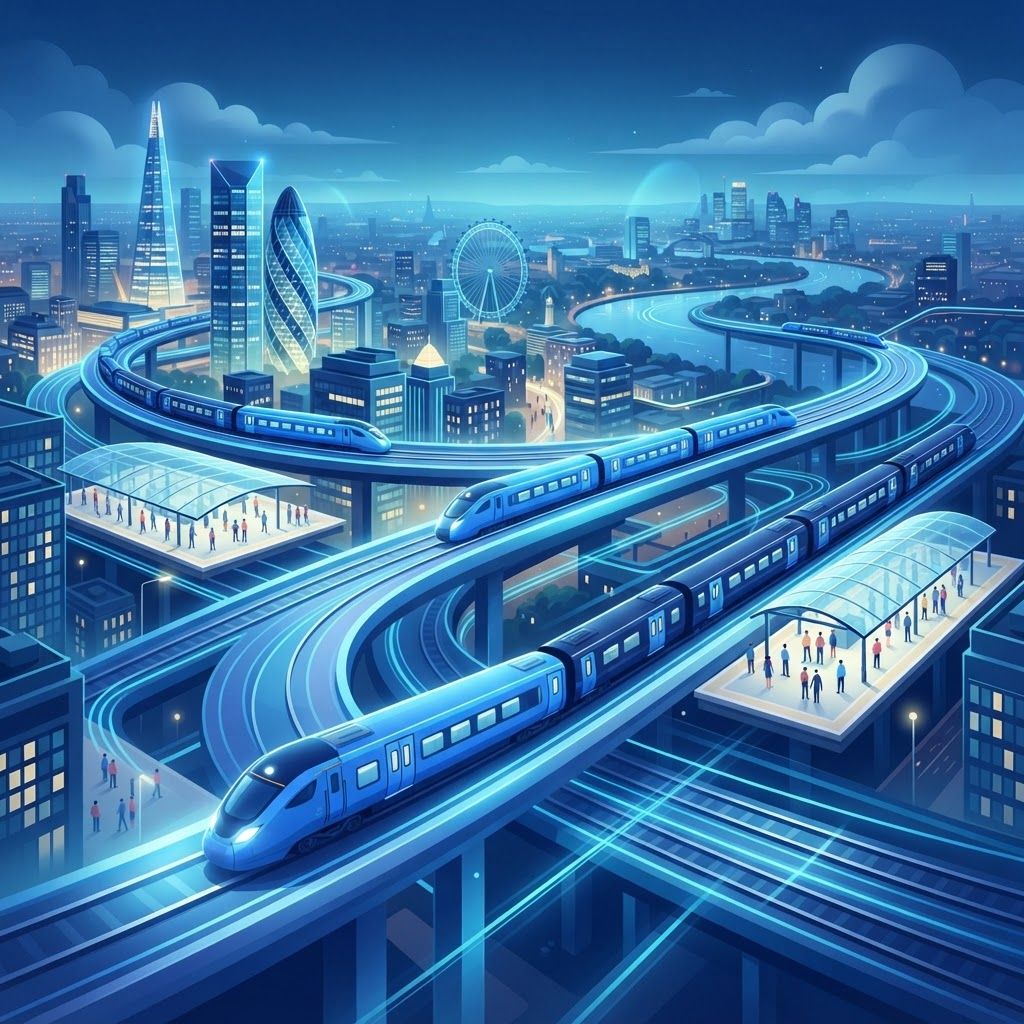
Hackney enjoys some of the best rail connectivity in East London, a factor that has fuelled its remarkable growth and desirability. The borough's residents and businesses depend on a web of railway services that link them to the City, Canary Wharf, and destinations far beyond the capital. Understanding which operators serve the area helps commuters and companies plan their journeys with confidence.
Once considered poorly connected, Hackney has benefited enormously from investment in rail infrastructure over the past two decades. The transformation of the East London and North London lines into the London Overground network proved a turning point, dramatically improving accessibility and contributing to the borough's economic renaissance.
The London Overground: Hackney's Backbone
The London Overground stands as the most significant railway operator for Hackney residents. Managed within Transport for London's network, it serves key stations including Hackney Central, Hackney Wick, Dalston Junction, Dalston Kingsland, Homerton, and London Fields. These stations form the arteries through which thousands of daily commuters flow.
The Overground's orbital routes allow passengers to travel around London without passing through the congested centre, a genuine advantage for cross-city journeys. Frequent services, modern rolling stock, and reliable timetables have made it enormously popular. Its integration with the wider TfL system, including contactless payment and Oyster compatibility, adds a layer of convenience that commuters value highly.
National Rail Services in the Area
Beyond the Overground, several national rail operators contribute to Hackney's connectivity. Greater Anglia operates services from nearby stations, connecting the region toward Liverpool Street and onward to Essex and East Anglia. Their routes prove invaluable for those commuting from Hackney toward destinations in the east.
c2c provides services linking London with south Essex, offering another option for travellers heading toward the Thames Gateway region. While their stations sit just outside the borough's core, they remain accessible to many Hackney residents and expand the range of viable commuting patterns.
Elizabeth Line and Cross-London Travel
The Elizabeth Line has revolutionised travel across London, and while its stations sit at the borough's edges, its impact on Hackney residents is substantial. By connecting to nearby interchange points, the line offers rapid travel to Heathrow, the West End, Canary Wharf, and out toward Reading and Shenfield. Its spacious trains and high frequency have reshaped commuting expectations across the capital.
The line's introduction has eased pressure on other networks, providing Hackney travellers with faster and more comfortable options for longer journeys. Its air-conditioned carriages and step-free access represent the modern standard that all operators now aspire to match.
Thameslink and Beyond
Thameslink services, accessible via connecting routes, extend the reach of Hackney travellers toward destinations north and south of London, including Bedford, Brighton, and Gatwick Airport. This north-south spine complements the largely east-west and orbital services closer to home, creating a comprehensive network when combined.
Govia Thameslink Railway, which operates these services alongside Great Northern routes, plays an important supporting role in the region's rail ecosystem. Great Northern services toward Hertfordshire and Cambridgeshire similarly broaden the options for those living in or travelling through the borough.
Integration with the Underground and Buses
While not railway operators in the traditional sense, the London Underground and TfL bus network form essential parts of Hackney's transport picture. Underground connections at neighbouring stations feed into the rail system, allowing seamless multi-modal journeys. The integration of ticketing across all these services means passengers rarely need to think about which operator they are using, focusing instead on reaching their destination efficiently.
Trends and Future Developments
Railway travel in and around Hackney continues to evolve. Sustainability drives much of the current investment, with operators pursuing electrification, energy-efficient trains, and reduced emissions. Accessibility improvements remain a priority, with ongoing work to make more stations step-free and welcoming to all passengers.
Digital innovation is enhancing the passenger experience through real-time journey planning, improved information displays, and integrated payment systems. Capacity expansion projects aim to accommodate the borough's growing population, ensuring that Hackney's rail network keeps pace with demand.
Conclusion
Hackney's railway landscape is defined by the dominant London Overground, supported by national operators and the transformative Elizabeth Line. Together, these services provide residents and businesses with exceptional connectivity across London and beyond. As investment continues and networks modernise, the borough's rail links will remain a cornerstone of its appeal and a vital engine of its continued prosperity.
Want your brand featured in front of decision-makers? Publish a guest post or get a link insertion in our guides through AAMAX's guest post and link insertion service.
Helpful Links
 SponsoredAAMAX — Full-Service Digital Agency
Write for Us
Share your expertise with our readers. We welcome guest contributions from industry specialists.
Pitch your idea