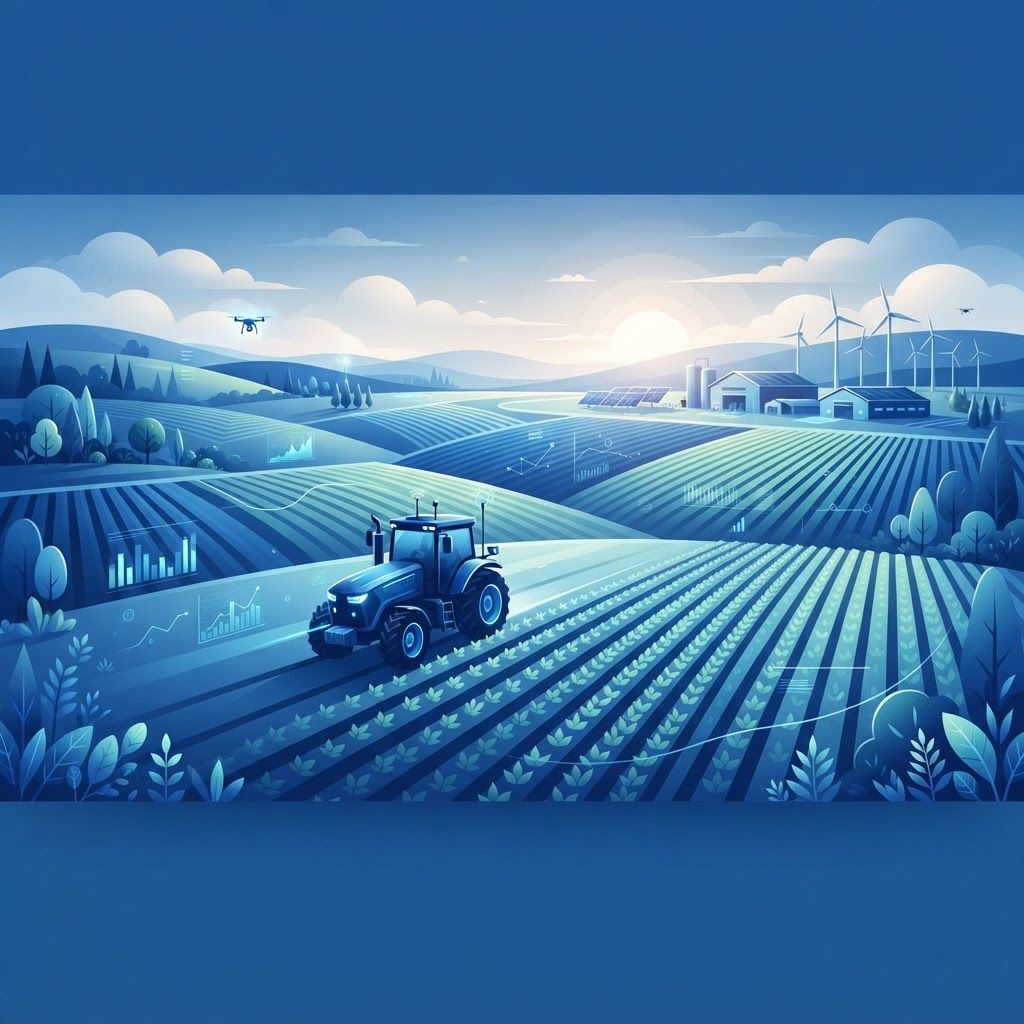
Agriculture at the Heart of Rotherham
Although Rotherham is often associated with its industrial past, the surrounding countryside remains a productive and vital part of the local economy. The rolling farmland stretching towards the Peak District and the villages on the town's outskirts support a diverse mix of arable, livestock, and mixed farming operations. These farming companies supply produce to local markets, regional processors, and national supply chains, sustaining rural employment and preserving the landscape.
Modern farming in Rotherham blends generations of practical knowledge with new technology. From precision seeding to data-driven livestock management, the best operators are adapting to changing weather patterns, evolving regulations, and shifting consumer expectations while keeping quality and sustainability at the core of what they do.
What Defines a Leading Farming Company
The strongest farming businesses share several traits. They manage soil health carefully, rotate crops to maintain fertility, and invest in equipment that improves efficiency without sacrificing land quality. They also maintain transparent supply relationships, ensuring buyers know where their food comes from and how it was produced.
Animal welfare, environmental stewardship, and community engagement increasingly separate the best from the rest. Farms that adopt regenerative practices and open their gates for educational visits tend to earn stronger reputations and more loyal customers.
The Top 10 Farming Companies
1. Wentworth Estate Farms is one of the largest mixed operations in the area, combining arable crops with livestock and a strong focus on conservation-minded land management.
2. Rother Valley Arable Ltd specialises in cereals and oilseeds, using precision agriculture to maximise yields while reducing input waste.
3. Ulley Livestock Company is respected for its beef and sheep production, with a reputation for high welfare standards and quality stock.
4. Thrybergh Dairy Farms supplies fresh milk to regional processors and is known for investment in herd health and efficient milking systems.
5. Aston Green Growers focuses on vegetables and salad crops, supplying local greengrocers and farm shops with seasonal produce.
6. Maltby Mixed Farming Co. balances crops and livestock across varied terrain, offering resilience against market swings in any single sector.
7. Catcliffe Poultry Farms produces free-range eggs and poultry, serving both wholesale buyers and local retailers.
8. Brampton Organic Fields has built a niche in certified organic produce, catering to the growing demand for chemical-free food.
9. Hooton Roberts Grain combines farming with on-site storage and drying facilities, adding value for neighbouring producers as well.
10. Wickersley Heritage Farm blends traditional methods with agritourism, welcoming visitors and running educational programmes about rural life.
Trends Transforming Local Farming
Technology is reshaping agriculture across Rotherham. GPS-guided machinery, soil sensors, and farm management software help operators make better decisions and reduce waste. Drones are increasingly used to monitor crop health and identify problems early, saving both time and resources.
Sustainability is another defining theme. Regenerative practices such as cover cropping, reduced tillage, and rotational grazing are gaining traction as farmers seek to improve soil carbon and long-term resilience. Environmental schemes that reward biodiversity and habitat creation are also influencing how land is managed.
The Role of Farming in the Local Community
Farming companies do more than produce food. They maintain hedgerows, woodlands, and public footpaths, shaping the countryside that residents value. Many support local employment, from seasonal harvest workers to skilled machinery operators, and contribute to farm shops and markets that keep money circulating within the community.
Farms that engage with schools and community groups also strengthen the connection between town and country, helping the next generation understand where their food comes from and the effort involved in producing it.
Challenges and Opportunities
Rotherham's farmers face real pressures, including volatile input costs, unpredictable weather, and evolving policy after major changes to agricultural support. Yet these challenges also create opportunities. Diversification into agritourism, renewable energy, and direct-to-consumer sales offers new income streams, while growing consumer interest in local, traceable food plays to the strengths of established regional producers.
Final Thoughts
The farming companies of Rotherham demonstrate that agriculture remains a dynamic and essential industry. By combining tradition with innovation and keeping sustainability front of mind, these businesses continue to feed the region, care for the land, and support rural livelihoods. For buyers and residents alike, understanding who grows their food and how deepens appreciation for the vital work happening just beyond the town's edge.
Want your brand featured in front of decision-makers? Publish a guest post or get a link insertion in our guides through AAMAX's guest post and link insertion service.
Helpful Links
 SponsoredAAMAX — Full-Service Digital Agency
Write for Us
Share your expertise with our readers. We welcome guest contributions from industry specialists.
Pitch your idea