Buses at the Heart of Cambridge Transport
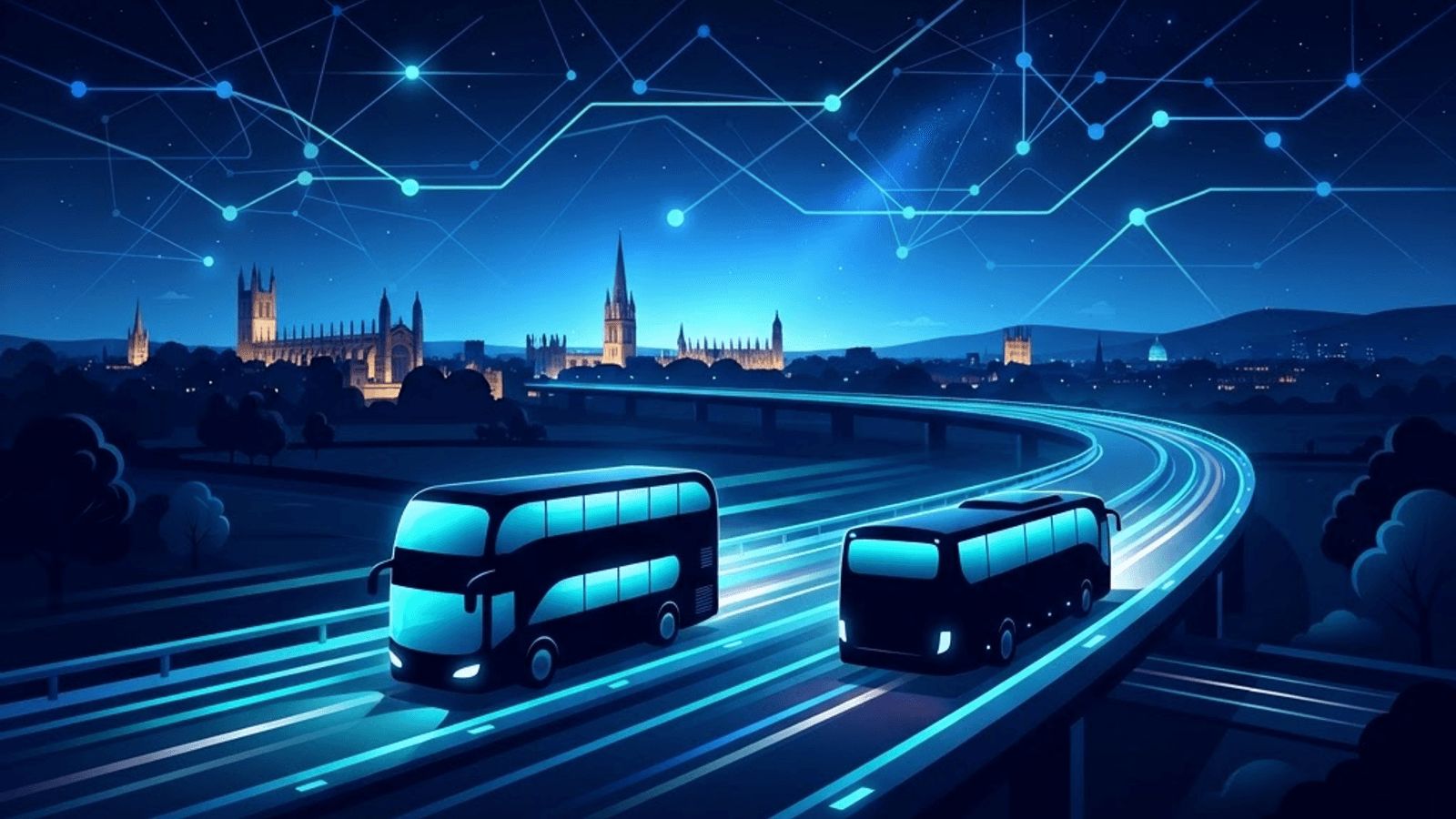
Cambridge faces a distinctive transport challenge. It is a small, historic city with narrow medieval streets, strict traffic restrictions and a workforce drawn from a wide rural hinterland. Road building through the centre is impossible, so bus and coach services carry a disproportionate share of the load, supported by one of the most extensive park and ride systems in Britain and by the Cambridgeshire Guided Busway, a dedicated concrete track that allows buses to bypass congestion entirely.
For visitors, buses connect the railway station, the city centre, the biomedical campus, the science parks and the surrounding market towns. For residents, they are a daily necessity. Understanding who runs what makes both experiences considerably easier.
How the Network Is Structured
Three layers operate together. Urban city routes link residential districts, the centre, the station and major employment sites. Interurban routes connect Cambridge with St Ives, Huntingdon, Ely, Newmarket, Royston, Saffron Walden, Bedford and Peterborough. Long-distance coaches provide direct services to the airports and to London and beyond.
Park and ride sites on the city approaches allow drivers to leave vehicles cheaply and complete the journey by frequent bus, which is almost always faster and cheaper than driving into the centre and parking there.
Ten Bus and Coach Operators Serving Cambridge
1. Stagecoach East. The dominant urban and interurban operator in the area, Stagecoach East runs the majority of city routes, the park and ride services and a large share of guided busway journeys. Its strengths are network breadth, high frequencies on core corridors, contactless payment, a well-developed app with live tracking, and a range of daily, weekly and monthly multi-journey tickets that reduce the cost of regular travel considerably.
2. Whippet Coaches. A long-established local operator with deep roots in Cambridgeshire, Whippet runs both scheduled routes into the city and a substantial private hire and coach holiday business. Local knowledge, community connection and reliable service on rural corridors have earned it a loyal following among villagers who depend on those links.
3. A2B Travel and Local Independent Operators. A number of smaller independent operators run supported rural routes, school services and contracted journeys that larger companies do not find commercially viable. These services are essential to villages across the Fens and the south Cambridgeshire countryside, and they frequently provide the only public transport link for outlying communities.
4. National Express. The principal long-distance coach network in Britain, National Express provides direct services from Cambridge to Stansted, Luton, Heathrow and Gatwick, as well as to London, Birmingham and beyond. For airport transfers it is often the best-value option, with luggage included, reserved seating and services running through the night to meet early departures.
5. Airport Coach Services on the Heathrow Corridor. Frequent direct coaches between Cambridge and Heathrow, running through the night, are one of the most useful transport links the city has. They avoid the need to cross London with luggage and deliver passengers directly to the terminals, making them the default choice for long-haul travellers.
6. Cambridgeshire Guided Busway Services. The busway itself is infrastructure rather than a company, but the services running on it deserve separate mention. Buses travel on a dedicated guided track between Cambridge, the biomedical campus, St Ives and Huntingdon, achieving journey times that road-based services cannot match. Park and ride sites along the route make it an effective commuter spine.
7. Universal Bus Service. Operated on behalf of the university, this route links the west Cambridge site, the city centre, the railway station and the biomedical campus. It is open to the public as well as to staff and students, and it fills a specific gap in the network for cross-city journeys between major academic and clinical sites.
8. Megabus. Low-cost intercity coach travel remains popular with students and budget travellers. Advance fares to London and other major cities can be extremely cheap, and while journey times are longer than rail, the savings on a planned trip are substantial.
9. FlixBus. A rapidly expanded European coach network now serving many United Kingdom cities, FlixBus offers competitive intercity fares, onboard connectivity and app-based ticketing. Its presence has broadened the choice for long-distance travel from the region, including onward connections into continental Europe.
10. Private Hire and Coach Charter Operators. Cambridge generates significant demand for group transport: college trips, conference shuttles, wedding parties, sports fixtures and corporate events. Regional coach operators supply vehicles from minibuses to full-size executive coaches, and the best of them handle complex multi-vehicle logistics with route planning and marshalling.
Trends Shaping Bus Travel
Electrification and low-emission fleets are advancing steadily, with electric and hybrid buses now common on urban routes and depot charging infrastructure expanding. This directly supports the city's air quality objectives in a compact centre where emissions concentrate.
Fare reform and simplification have improved value, with capped daily and weekly fares, contactless tap-on payment and app-based tickets replacing cash. Real-time information has also matured: live departure data at stops and in apps has reduced the uncertainty that historically deterred bus use.
Looking ahead, proposals for enhanced public transport funding, franchising and demand-responsive rural services are the subject of continuing local debate, with the shared aim of improving frequency and reliability on the corridors that carry the most passengers.
Practical Advice for Passengers
Use park and ride if you arrive by car. It is far cheaper than central parking and usually faster door to door. Buy a day or weekly cap rather than single tickets if you will make more than two journeys, and use contactless payment where capping applies automatically.
Check live times before travelling, particularly on rural routes with limited frequency and reduced Sunday service. For airport coaches, book in advance to secure the fare and a seat, and allow generous buffer time for traffic on the trunk roads. If you are travelling with a group, compare a coach charter against individual tickets, because for a dozen or more passengers a hired vehicle is often cheaper and considerably more convenient.
Want your brand featured in front of decision-makers? Publish a guest post or get a link insertion in our guides through AAMAX's guest post and link insertion service.
Helpful Links
 SponsoredAAMAX — Full-Service Digital Agency
Write for Us
Share your expertise with our readers. We welcome guest contributions from industry specialists.
Pitch your idea