Lough Neagh and the Mid Ulster Fishing Tradition
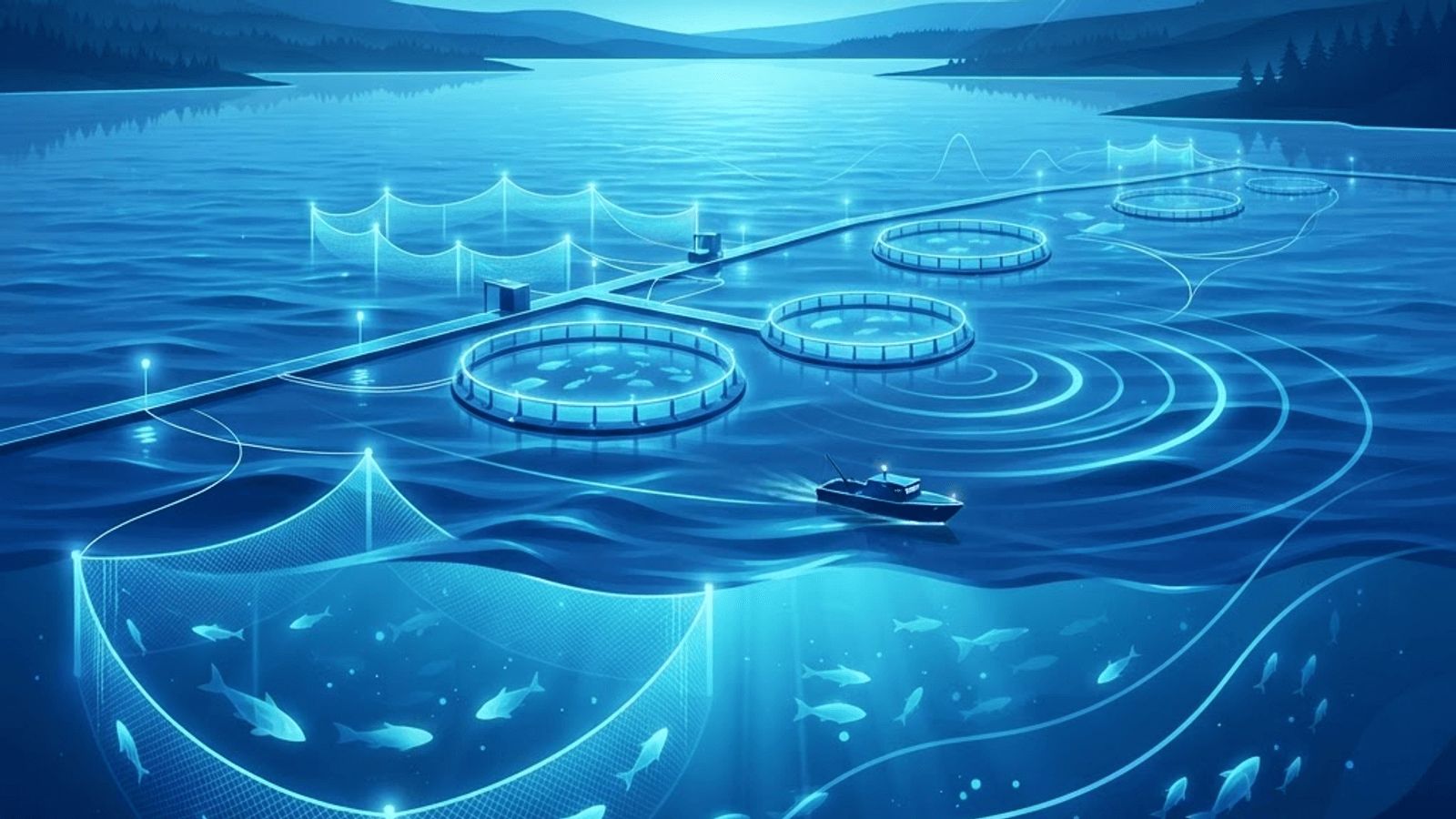
Mid Ulster occupies an unusual position among inland districts in having a genuine commercial fishing industry. Lough Neagh, the largest freshwater lake in the British Isles, forms much of the district's eastern boundary, and the fishing communities along its western shore have worked these waters for centuries. The lough supports commercially significant stocks of eel, pollan and other freshwater species, and the fishing that takes place there is among the most distinctive economic activities in Northern Ireland.
Beyond the lough itself, the district's rivers, including the Ballinderry, Moyola and Blackwater, support angling, conservation fisheries and small-scale aquaculture. Together these form a sector that combines traditional practice with modern management science.
What Characterises a Well-Run Fishery Operation
Sustainability is not an optional add-on in fisheries; it is the precondition for the business existing at all. Stock assessment, quota adherence, closed seasons and gear restrictions exist because overexploitation destroys the resource permanently. Well-run operations engage constructively with these controls rather than working around them.
Beyond compliance, quality handling determines market value. Fish that is chilled promptly, handled carefully and delivered quickly commands significantly better prices. Traceability documentation is also now a market requirement for most commercial buyers, particularly for export.
Leading Fishery Operations Serving Mid Ulster
1. Lough Neagh Eel Fishery Cooperative represents the most internationally recognised element of the local industry. Wild-caught Lough Neagh eel has protected geographical status and a strong reputation in continental European markets, particularly the Netherlands and Germany. Cooperative structure gives individual fishermen collective marketing strength and shared conservation responsibility.
2. Ulster Pollan Fisheries harvests pollan, a freshwater whitefish found in only a handful of Irish loughs, making it a genuinely distinctive local product. Careful stock management is essential given the species' limited range.
3. Mid Ulster Freshwater Processing handles the processing side, providing chilling, filleting, smoking and packing services for local catch. Value-added processing captures margin that would otherwise leave the district with raw product.
4. Ballinderry River Trout Enterprise operates a hatchery and restocking programme alongside commercial trout production. Conservation work supporting native brown trout and salmon populations runs alongside the commercial operation.
5. Moyola Aquaculture runs land-based recirculating aquaculture systems producing freshwater species for the food market. Controlled-environment production offers consistency and biosecurity that wild capture cannot match.
6. Northern Angling Fisheries manages commercial coarse and game angling waters, serving the recreational market. Angling tourism brings visitors and spending into rural areas that see limited economic activity otherwise.
7. Toome Fishing Company operates from one of the traditional fishing settlements on the lough shore, combining commercial fishing with boat services and equipment supply to other operators.
8. Sperrin Fish Distribution handles the logistics of getting freshwater catch to market, managing cold chain distribution to processors, wholesalers and export buyers. Cold chain integrity directly determines product value.
9. Clogher Valley Smokehouse specialises in traditionally smoked freshwater fish, producing artisan smoked eel and trout for premium retail and hospitality markets. Craft processing creates significant value uplift over raw product.
10. Lough Shore Conservation Fisheries completes the list with a focus on habitat restoration, stock monitoring and scientific fisheries management. Its work underpins the commercial viability of everything else in the sector.
Challenges and Trends
Water quality is the defining issue facing Lough Neagh fisheries. Nutrient enrichment from agricultural runoff and wastewater has driven algal bloom problems that affect ecosystem health and fish stocks directly. Addressing this requires coordinated action across agriculture, water infrastructure and environmental regulation, and the fishing community has a substantial stake in the outcome.
European eel conservation remains a critical concern internationally. The species has declined dramatically across its range, and Lough Neagh's fishery operates under strict management including restocking obligations. The industry's long-term future depends on the success of these measures.
Market access and export logistics have grown more complex, adding documentation and cost to shipments that historically moved freely to continental buyers. Operators have had to build new administrative capability.
On the positive side, interest in local, traceable and distinctive food products has strengthened. Lough Neagh eel and pollan are genuinely unique products with strong provenance stories, and there is growing appetite in domestic hospitality for exactly that.
The Path Forward
The sector's future rests on three things: restoring and protecting water quality, maintaining rigorous stock management, and capturing more value locally through processing and provenance marketing. Each is achievable, though the first requires action well beyond the fishing industry itself.
Supporting the sector also means recognising its cultural weight. Fishing on Lough Neagh is a heritage practice with deep community roots, and its loss would represent more than an economic decline.
Conclusion
Mid Ulster's fishery sector is small in national economic terms but distinctive, historic and genuinely valuable. Built around Lough Neagh's unique freshwater resource, it spans commercial capture, aquaculture, processing, angling and conservation. Its continued health depends on environmental stewardship as much as commercial skill, and on the district's willingness to protect the water on which everything else depends.
Want your brand featured in front of decision-makers? Publish a guest post or get a link insertion in our guides through AAMAX's guest post and link insertion service.
Helpful Links
 SponsoredAAMAX — Full-Service Digital Agency
Write for Us
Share your expertise with our readers. We welcome guest contributions from industry specialists.
Pitch your idea