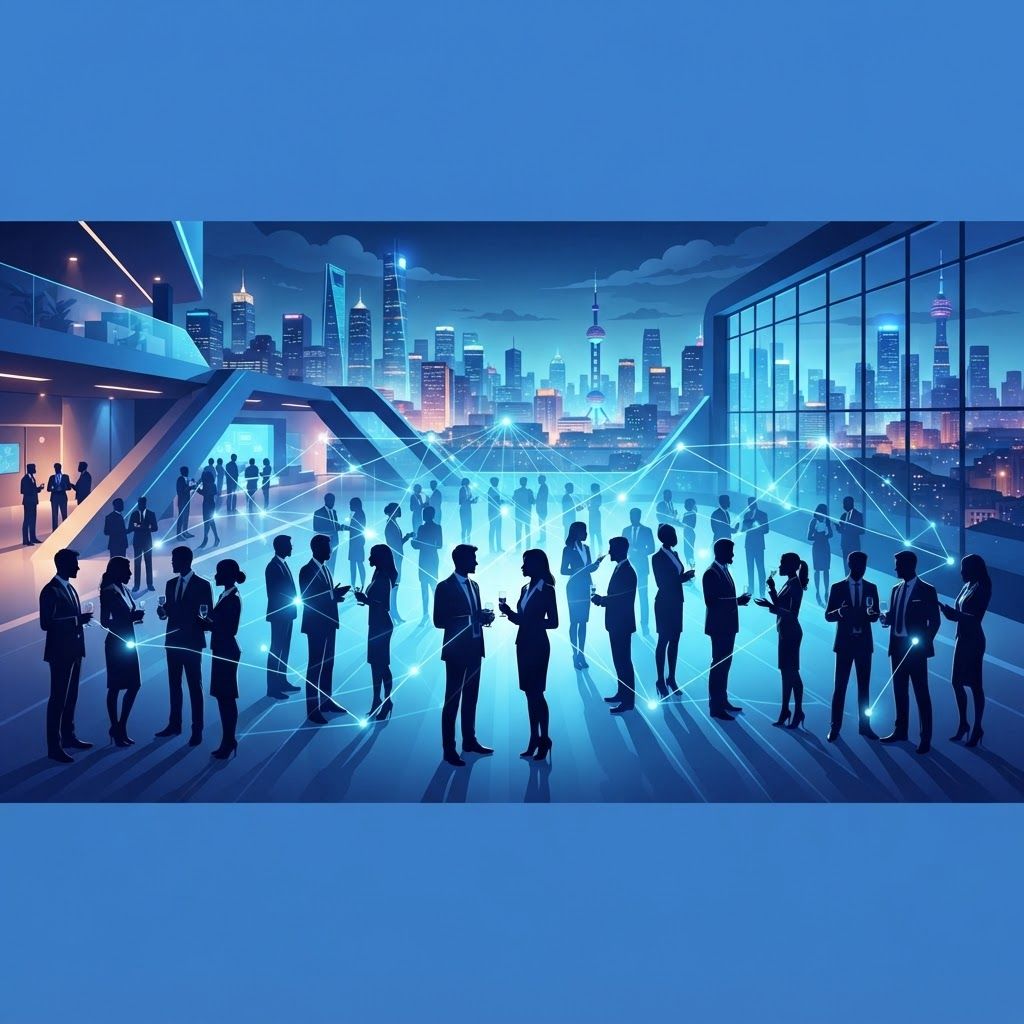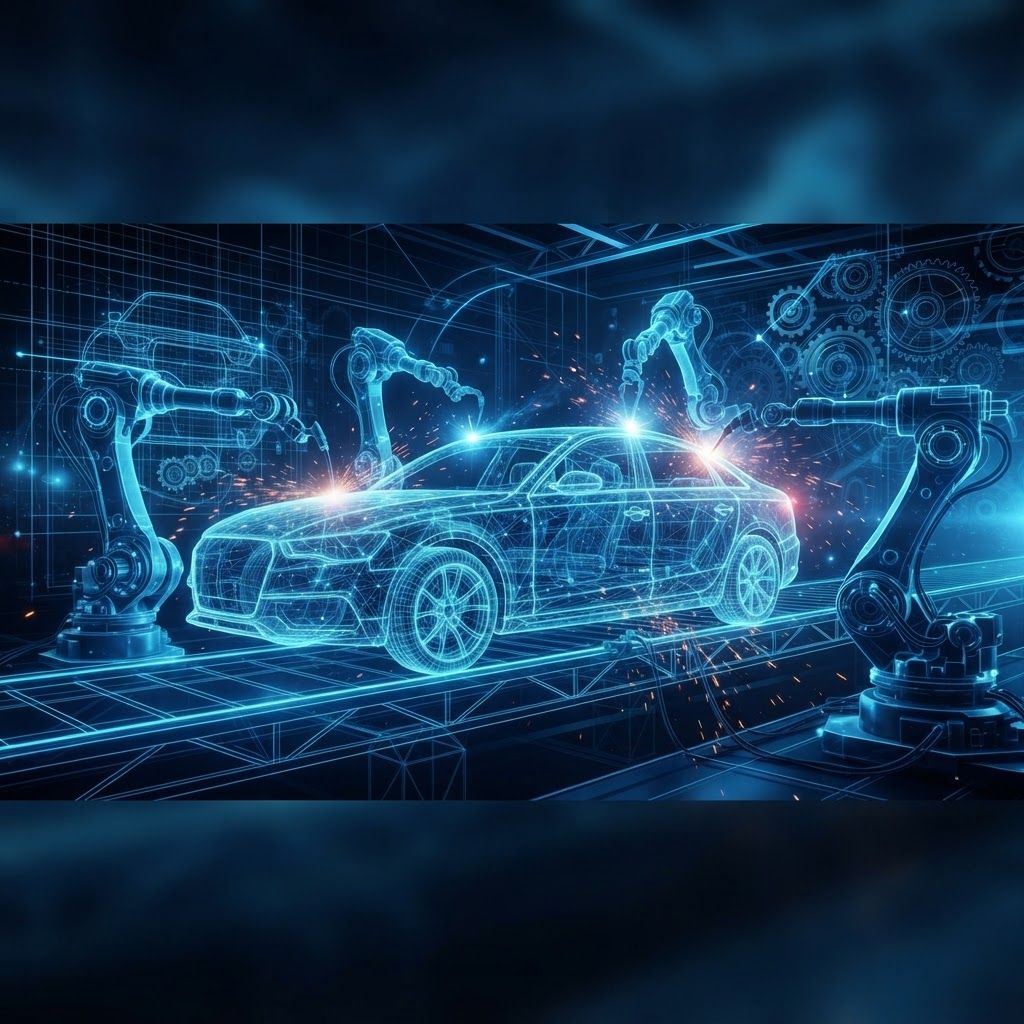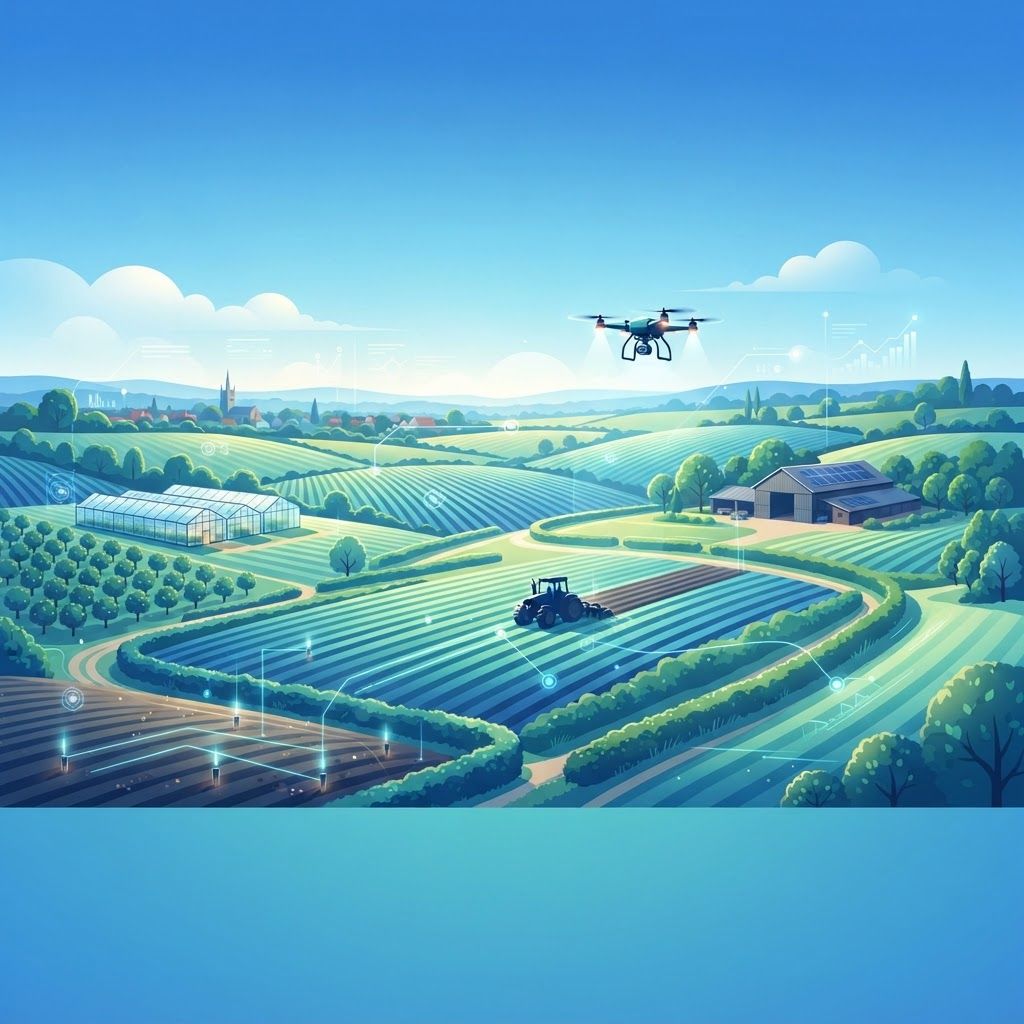
Artificial intelligence is no longer a distant concept confined to research labs and science fiction. It has become a practical force quietly rewiring the way work is organized, valued, and rewarded. From automated customer support to predictive analytics that guide executive decisions, AI is reshaping the job market faster than most institutions can respond. Understanding this transformation is essential for anyone who wants to remain competitive, whether they are an employee planning their next career move or a business leader preparing their workforce for the years ahead.
How AAMAX.CO Helps Businesses Navigate the AI Transition
As organizations adapt to an AI-driven labor landscape, many need a partner who understands both the technology and the strategy behind it. AAMAX.CO is a full-service digital marketing company serving clients worldwide, and they help businesses integrate AI into their growth, hiring, and customer engagement workflows. From AI-powered SEO to automated marketing systems, their team guides companies through the practical side of adoption, ensuring that new tools amplify human talent rather than create confusion. For businesses worried about staying relevant in an AI-first market, their expertise offers a clear and grounded path forward.
Automation Is Changing Tasks, Not Just Jobs
One of the most important nuances in the conversation about AI and employment is the difference between automating tasks and eliminating entire jobs. Most roles are bundles of many tasks, and AI tends to absorb the repetitive, data-heavy, or predictable portions while leaving the creative, strategic, and interpersonal work to humans. A financial analyst, for example, may hand off hours of data cleaning to an algorithm but still spend their time interpreting results and advising clients. This means the shape of jobs is changing more than the existence of jobs themselves.
The practical implication is that workers who learn to delegate routine tasks to AI can dramatically increase their output. Those who resist the shift risk being outpaced by colleagues who embrace these tools. The job market is rewarding adaptability, and the most resilient professionals are the ones treating AI as a collaborator rather than a competitor.
Which Industries Will Feel the Biggest Impact
While almost every sector will be touched by AI, some will experience more dramatic change than others. Customer service, content production, logistics, and data entry are already being reshaped by intelligent automation. Meanwhile, fields that depend heavily on human empathy, complex judgment, and physical dexterity, such as healthcare, skilled trades, and education, are likely to see AI used as a support layer rather than a replacement.
Marketing and technology sit at an interesting crossroads. These industries are simultaneously adopting AI internally and building the AI-driven products that other industries use. As a result, professionals in digital fields face both rapid disruption and unprecedented opportunity. New roles are emerging that simply did not exist a few years ago, including prompt engineers, AI ethics specialists, and automation strategists.
New Roles Created by Artificial Intelligence
It is easy to focus on the jobs AI might displace, but history shows that technological revolutions also create entire categories of work. As AI systems become more capable, businesses need people to design, train, supervise, and refine them. There is growing demand for specialists who can fine-tune models on company data, evaluate outputs for accuracy and bias, and integrate AI into existing software systems.
Beyond technical roles, the human side of AI adoption is creating opportunity as well. Companies need change managers, trainers, and strategists who can help teams adopt new tools without disruption. Organizations that want to scale their online presence are increasingly investing in digital marketing talent that understands how to combine human creativity with machine efficiency.
The Skills That Will Matter Most
As AI handles more routine cognitive work, the skills that distinguish top performers are shifting. Critical thinking, creativity, emotional intelligence, and the ability to ask the right questions are becoming more valuable than the ability to memorize facts or perform repetitive calculations. The professionals who thrive will be those who can frame problems clearly, evaluate AI outputs critically, and communicate insights persuasively.
Digital literacy is also becoming a baseline expectation rather than a specialized advantage. Knowing how to work alongside AI tools, interpret data, and adapt quickly to new platforms will be as fundamental as basic computer skills were a generation ago. Lifelong learning is no longer optional; it is the core strategy for staying employable in a market that evolves constantly.
How Businesses Should Prepare Their Workforce
For employers, the smartest response to AI is proactive investment in their people. Reskilling and upskilling programs help existing employees transition into higher-value roles rather than being left behind. Companies that build a culture of continuous learning will retain talent, boost morale, and adapt more smoothly than those that simply cut headcount in pursuit of short-term savings.
Leaders should also rethink how they measure productivity. When AI accelerates output, the goal shifts from doing more of the same to delivering better, more strategic results. Forward-thinking organizations are redesigning workflows so that humans focus on judgment and relationships while machines handle scale and speed.
Preparing for an AI-Driven Future
The future job market will not be defined by humans versus machines, but by humans working effectively with machines. Those who learn to harness AI will find their capabilities multiplied, while those who ignore it may struggle to keep pace. The transition will be uneven and at times uncomfortable, but it also opens doors to more meaningful, creative, and impactful work.
Whether you are an individual planning your career or a company shaping your strategy, the time to engage with AI is now. By embracing change, investing in skills, and partnering with experts who understand the technology, both workers and organizations can turn disruption into opportunity and build a more resilient future of work.
Want your brand featured in front of decision-makers? Publish a guest post or get a link insertion in our guides through AAMAX's guest post and link insertion service.
Helpful Links
 SponsoredAAMAX — Full-Service Digital Agency
Write for Us
Share your expertise with our readers. We welcome guest contributions from industry specialists.
Pitch your idea