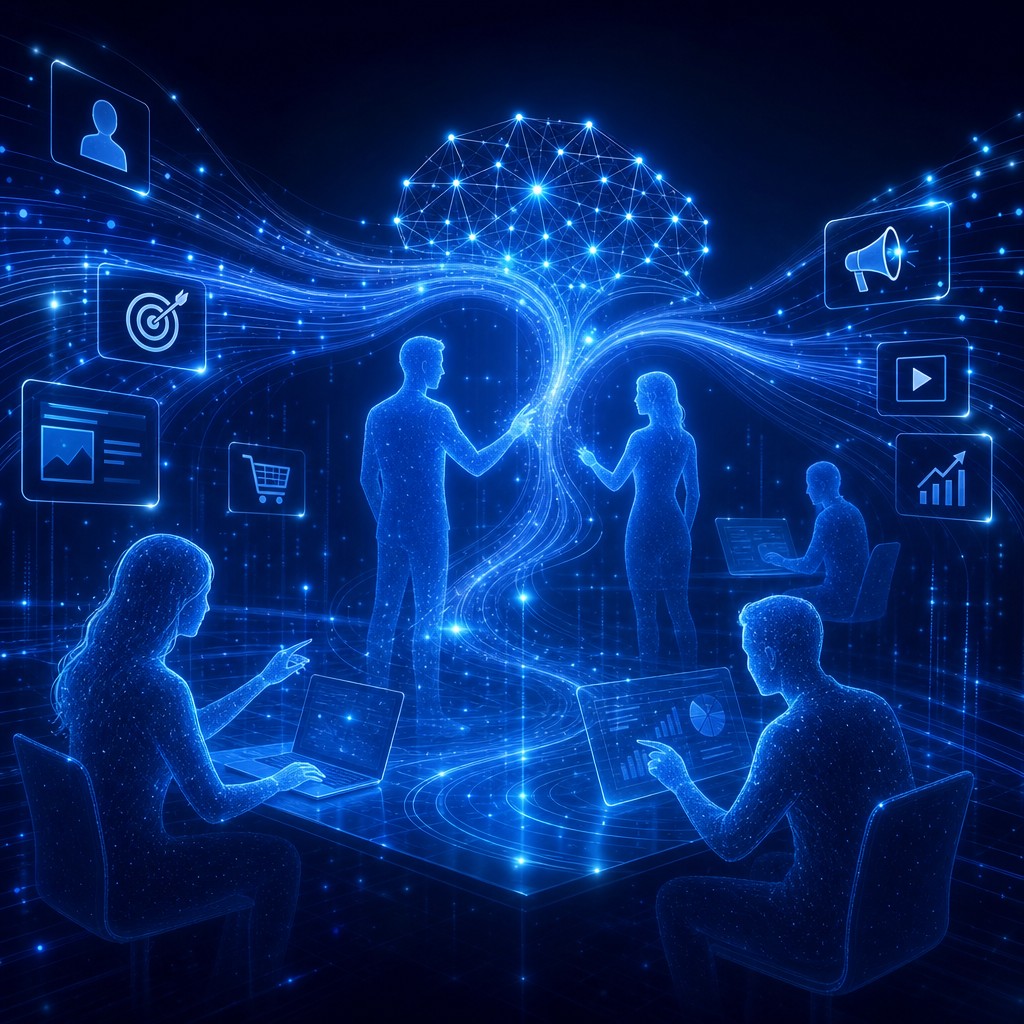
As artificial intelligence becomes capable of writing content, analyzing data, and managing campaigns, digital marketing professionals naturally wonder about their future. Will AI replace their jobs, or transform them? The reality is nuanced. AI will certainly affect digital marketing jobs, automating some tasks while creating new opportunities and elevating the importance of uniquely human skills. Understanding these shifts helps professionals prepare and position themselves to thrive rather than fear obsolescence.
How AAMAX.CO Helps Marketers Adapt to AI
For businesses and professionals navigating this transition, AAMAX.CO offers valuable expertise. As a full-service digital marketing company serving clients worldwide, their team demonstrates how AI and human talent work together rather than in competition. They integrate AI tools into their digital marketing services while relying on skilled professionals for strategy and creativity. Their model shows that the future of marketing is collaboration between people and machines, and businesses partnering with them benefit from both AI efficiency and human insight.
Which Tasks AI Will Automate
AI is well-suited to repetitive, data-intensive tasks. In digital marketing, this includes scheduling social posts, segmenting audiences, generating routine content, adjusting ad bids, and producing standard reports. These activities, which once consumed significant time, can increasingly be handled by AI tools.
This automation does not necessarily eliminate jobs, but it changes them. Roles centered entirely on these routine tasks face the most disruption. Professionals who spent their days on manual data entry or basic content production will need to evolve as machines take over those functions.
Which Skills Become More Valuable
As AI handles routine work, distinctly human skills grow more valuable. Strategic thinking, creativity, emotional intelligence, and the ability to understand complex human motivations cannot be easily automated. Marketers who excel at crafting compelling brand stories, developing innovative strategies, and building genuine relationships will remain in high demand.
Additionally, the ability to work with AI itself becomes a critical skill. Professionals who understand how to use AI tools effectively, interpret their outputs, and guide their application will be especially valuable. AI literacy is becoming as fundamental as understanding analytics or social media.
New Roles Emerging from AI
History shows that technological shifts create new jobs even as they eliminate others. AI is no exception. New roles are emerging around managing AI systems, ensuring quality and ethics, designing prompts, and integrating AI into marketing workflows. Specialists who bridge the gap between technology and marketing strategy are increasingly sought after.
There is also growing demand for professionals who can ensure AI-generated content maintains brand voice, accuracy, and authenticity. As AI produces more material, the need for skilled editors and overseers actually increases rather than disappears.
The Shift from Doing to Directing
A key transformation is the move from executing tasks to directing AI that executes them. Rather than personally writing every email or building every report, marketers increasingly guide AI systems, set objectives, and refine outputs. This shifts the focus toward higher-level thinking and away from manual labor.
This change can make marketing roles more engaging and impactful. Freed from repetitive work, professionals can dedicate energy to creative and strategic challenges that genuinely move the needle for their organizations.
Preparing for the Transition
Professionals who want to thrive should proactively develop skills that complement AI. This means deepening expertise in strategy, creativity, and customer psychology while building fluency with AI tools. Continuous learning is essential, as the technology evolves rapidly and those who stay current maintain their edge.
Embracing AI rather than resisting it is the wisest approach. Marketers who view AI as a powerful assistant, learning to leverage it effectively, will accomplish more and become more valuable. Those who refuse to adapt risk being left behind not by AI itself, but by colleagues who embrace it.
The Human Advantage Endures
Despite AI's capabilities, the human element in marketing remains irreplaceable. Understanding cultural nuance, building trust, exercising ethical judgment, and creating emotionally resonant work require human insight. AI amplifies human capability but does not replace the qualities that make marketing genuinely connect with people.
Conclusion
AI will affect digital marketing jobs, automating routine tasks while elevating the importance of strategy, creativity, and AI literacy. Some roles will change significantly, but new opportunities will emerge, and human skills will become more valuable, not less. The professionals who thrive will be those who adapt, embracing AI as a collaborator and focusing on the uniquely human strengths that machines cannot replicate. Rather than spelling the end of marketing careers, AI is reshaping them, offering those who prepare a more strategic and rewarding future.
Want your brand featured in front of decision-makers? Publish a guest post or get a link insertion in our guides through AAMAX's guest post and link insertion service.
Helpful Links
 SponsoredAAMAX — Full-Service Digital Agency
Write for Us
Share your expertise with our readers. We welcome guest contributions from industry specialists.
Pitch your idea