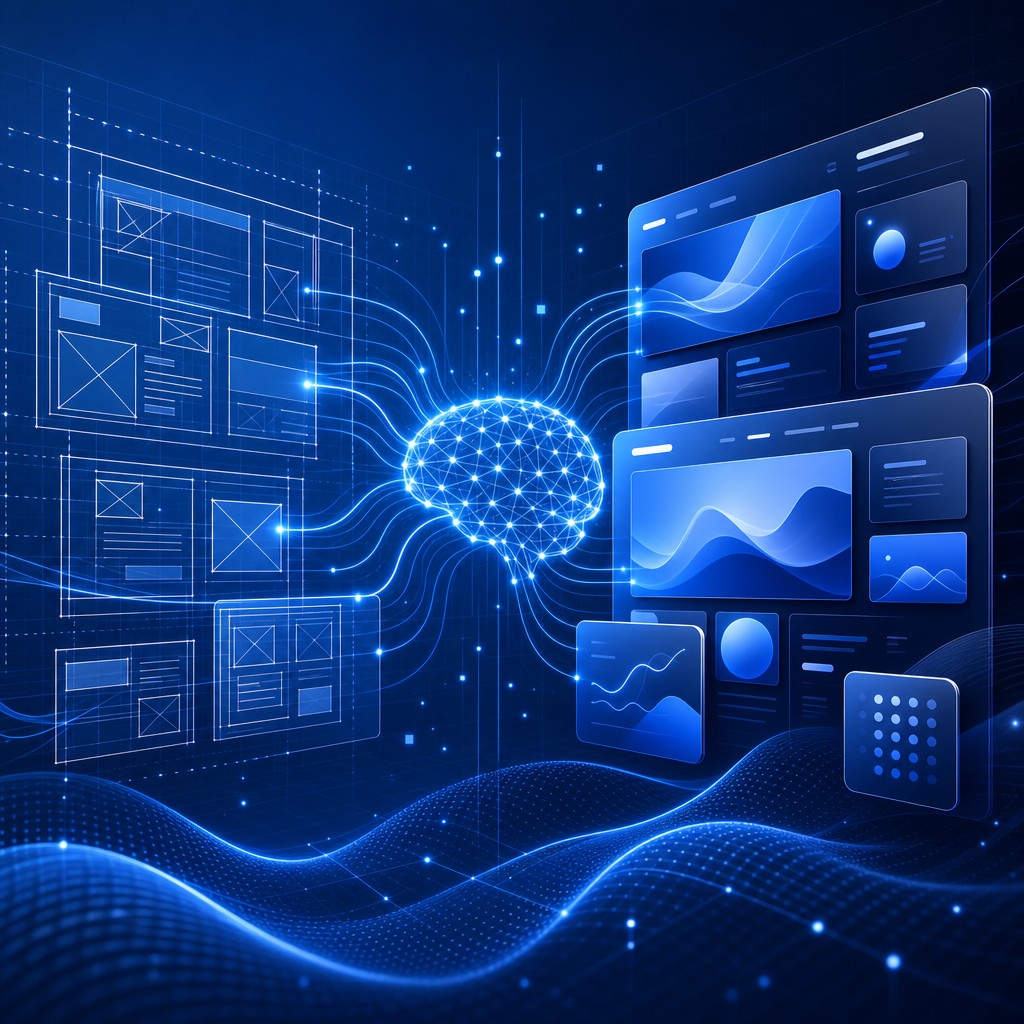
AI web design is the practice of using artificial intelligence to plan, generate, and refine the structure, layout, content, and visual style of a website. Instead of building every page manually from a blank canvas, designers and businesses now rely on intelligent systems that can suggest layouts, generate copy, recommend color palettes, produce imagery, and even write production-ready code. The result is a faster, more data-informed design process that still leaves room for human direction and brand personality.
How AI Web Design Actually Works
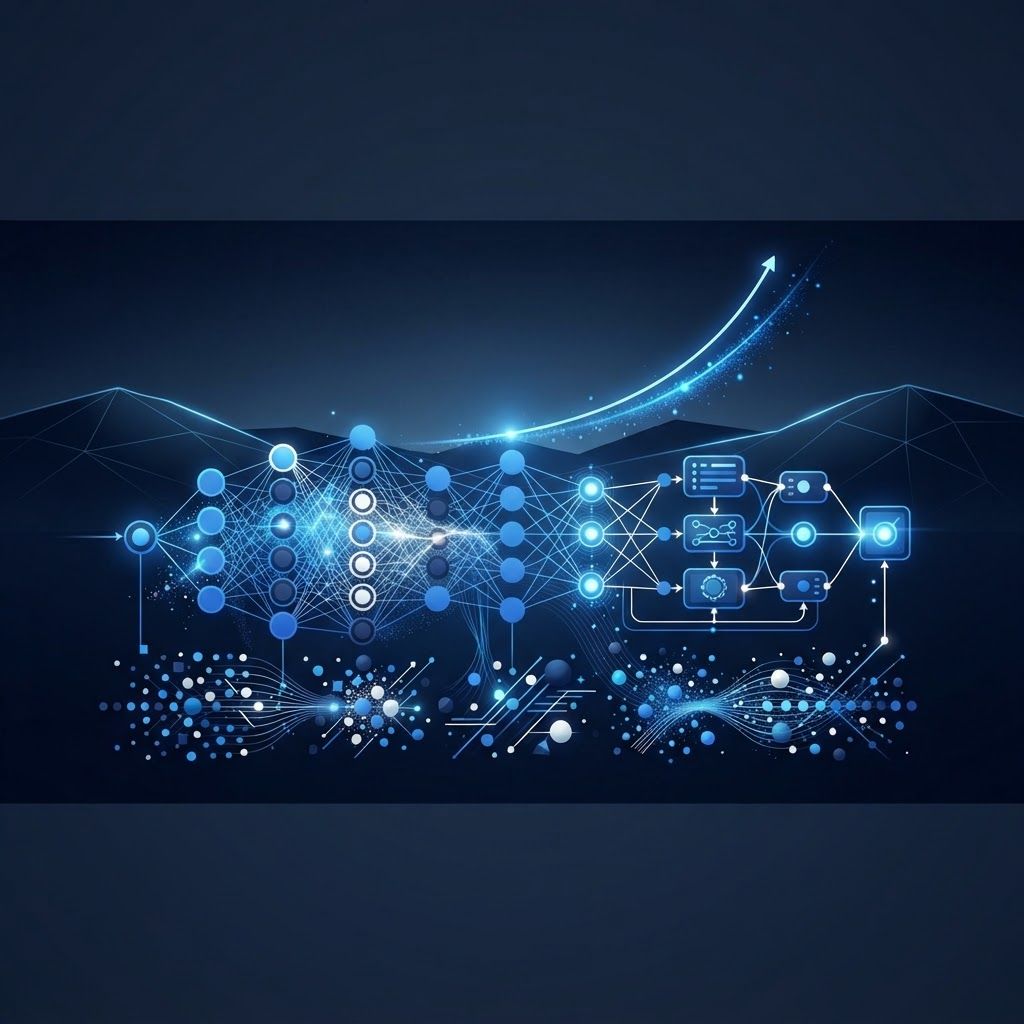
At its core, AI web design combines several technologies. Generative models produce text, images, and layout suggestions based on prompts. Machine learning analyzes user behavior to recommend changes that improve engagement. Computer vision evaluates visual hierarchy, contrast, and accessibility. Natural language processing turns plain-language requests, such as "a clean landing page for a fitness app," into structured design output. When these systems work together, a designer can move from concept to functional prototype in a fraction of the usual time.
Partnering With AAMAX.CO for AI Web Design
For organizations that want professional results without assembling an in-house AI team, AAMAX.CO offers a practical path forward. They are a full-service digital marketing company serving clients worldwide, and their team blends AI-driven design workflows with experienced human strategists. Their website development service helps businesses launch fast, accessible, conversion-focused sites that are built to perform in search and look polished across every device. By combining automation with hands-on craftsmanship, they ensure that the speed of AI never comes at the cost of brand quality.
Key Benefits of AI Web Design
The most obvious advantage is speed. Tasks that once took days, such as wireframing, drafting copy, or generating image variations, can now happen in minutes. This frees teams to focus on strategy rather than repetitive production work.
A second benefit is personalization. AI can analyze visitor data and adjust headlines, imagery, and calls to action for different audience segments, creating experiences that feel tailored rather than generic. A third benefit is consistency: AI tools can enforce spacing, typography, and color rules across an entire site, reducing the small errors that creep into manual builds.
Finally, AI improves accessibility and optimization. Many tools automatically check for color contrast, alt text, semantic structure, and mobile responsiveness, helping sites meet modern standards without a separate audit phase.
Where Human Designers Still Matter
Despite the hype, AI does not replace skilled designers. It accelerates them. Machines are excellent at producing options quickly, but they lack genuine understanding of brand story, emotional nuance, and long-term business goals. A human still decides which AI suggestion aligns with the company's voice, which layout supports the customer journey, and where to break conventions for impact. The best results come from a collaboration: AI handles the heavy lifting, and people provide taste, judgment, and direction.
Common Use Cases
Businesses apply AI web design in several practical ways. Startups use it to launch a credible site quickly on a limited budget. Marketing teams use it to spin up landing pages for campaigns and test variations rapidly. E-commerce brands use it to generate product descriptions and personalized recommendations. Agencies use it to prototype concepts for clients before committing to full builds. In each case, the goal is the same: deliver a high-quality web experience with less friction.
Getting Started the Right Way
To adopt AI web design effectively, start with clear objectives. Define who the site is for, what action you want visitors to take, and what your brand should feel like. Feed those details into your tools as detailed prompts rather than vague requests, because better input produces better output. Always review AI-generated content for accuracy, tone, and originality, and pair the visual design with strong technical foundations like fast loading times and clean code.
It also helps to think about search visibility from the beginning. A beautiful site that no one can find delivers little value, so structure, content, and performance should all support discoverability alongside aesthetics.
The Future of AI Web Design
As models improve, AI web design will move toward fully adaptive websites that reshape themselves in real time based on each visitor's intent. We will see tighter integration between design, copywriting, analytics, and search optimization, all managed from a single intelligent workflow. The companies that win will be those that combine these tools with human creativity and a clear strategy.
AI web design is not a passing trend; it is a fundamental shift in how digital experiences are created. Used thoughtfully, it lets businesses build faster, personalize deeper, and compete more effectively online. Partnering with an experienced team like AAMAX.CO is one of the simplest ways to capture those advantages while keeping a strong, human-led brand identity at the center of every page.
Want your brand featured in front of decision-makers? Publish a guest post or get a link insertion in our guides through AAMAX's guest post and link insertion service.
Helpful Links
 SponsoredAAMAX — Full-Service Digital Agency
Write for Us
Share your expertise with our readers. We welcome guest contributions from industry specialists.
Pitch your idea