Wind Energy and Southwest Michigan
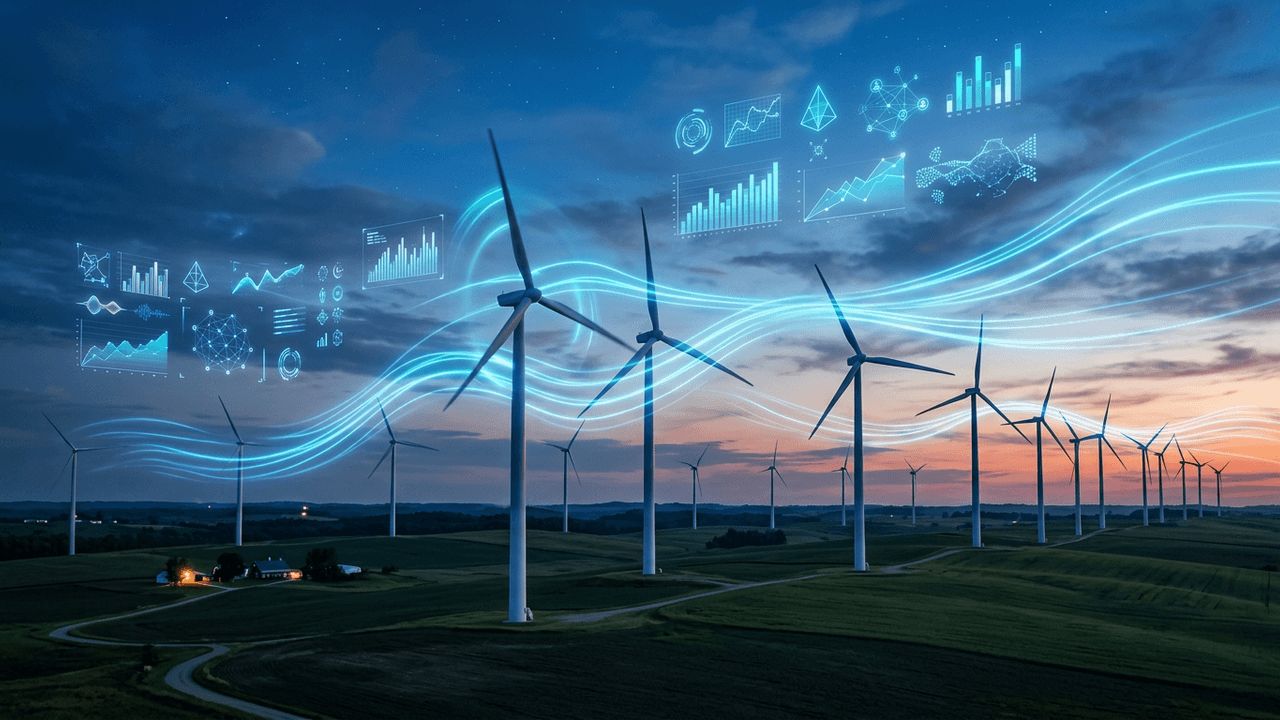
Michigan has become one of the Midwest's notable wind energy states, with large wind farms operating in the Thumb region, mid-Michigan, and increasingly in southern counties. Open agricultural land, steady winds, and access to transmission infrastructure make parts of southwest Michigan, including areas around St. Joseph County, attractive for wind development. As the state works toward its clean energy goals, wind will remain a central component of the renewable mix.
For Three Rivers residents, wind energy represents both opportunity and responsibility. Landowners may receive lease income, local governments can benefit from tax revenue, and the region gains clean power. At the same time, communities carefully weigh considerations such as land use, aesthetics, and setbacks when evaluating projects.
How We Selected These Companies
We focused on developers, utilities, and manufacturers with significant Midwest wind experience, strong safety and community engagement records, and relevance to Michigan's wind industry. The list includes project developers, utility owners, and turbine manufacturers.
Top 10 Wind Energy Companies Active in the Region
1. Consumers Energy
Consumers Energy owns and operates multiple wind parks in Michigan and continues to add wind capacity as part of its clean energy plan. Its projects deliver power to customers across the Lower Peninsula.
2. Indiana Michigan Power
Indiana Michigan Power purchases and develops wind energy to serve customers in southwest Michigan and northern Indiana, with long-term plans to expand renewable resources.
3. NextEra Energy Resources
NextEra is the largest wind energy generator in North America, with extensive Midwest operations. It develops, builds, and operates utility-scale wind farms and partners with rural landowners on long-term leases.
4. Invenergy
Invenergy has developed numerous wind projects across the Midwest and Great Lakes region. Its experience with community engagement and project financing makes it a major player in Michigan wind development.
5. Apex Clean Energy
Apex Clean Energy focuses on utility-scale wind and solar development and has pursued projects in Michigan. It emphasizes early community outreach and landowner partnerships.
6. Pattern Energy
Pattern Energy develops and operates wind and transmission projects across North America, bringing experience in large-scale infrastructure and long-term asset management.
7. RWE Clean Energy
RWE Clean Energy is one of the largest renewable energy companies in the United States, with wind projects throughout the Midwest. It manages projects from development through operations.
8. Vestas
Vestas is a global leader in wind turbine manufacturing and service. Many Midwest wind farms use Vestas turbines, and the company provides maintenance services that support long-term performance.
9. GE Vernova
GE Vernova manufactures onshore wind turbines widely deployed across the United States. Its digital monitoring tools help operators optimize output and reduce downtime.
10. Siemens Gamesa
Siemens Gamesa supplies wind turbines and service solutions worldwide, contributing advanced technology and engineering expertise to North American wind projects.
Wind Energy Trends to Watch
Turbines are becoming taller and more efficient, allowing them to capture stronger and more consistent winds at higher altitudes. This means fewer turbines can generate more electricity, potentially reducing land footprint. Repowering older wind farms with modern equipment is also increasing output from existing sites.
Michigan's updated siting rules for large renewable projects have changed the approval process, prompting communities and developers to focus on community benefit agreements and transparent planning. Battery storage paired with wind is also improving grid reliability by smoothing variable output.
What Landowners Should Know
Landowners approached by wind developers should evaluate lease terms carefully, including payment structures, lease duration, access rights, crop damage compensation, and decommissioning obligations. Consulting with an attorney experienced in energy leases and talking with neighbors who have hosted turbines can help inform decisions. Many farmers find that turbines occupy only a small portion of their land, allowing continued farming around them.
Economic and Environmental Benefits
Wind energy produces electricity without fuel costs or emissions, helping stabilize long-term power prices. Projects generate local tax revenue that can support schools, roads, and public services. Construction creates jobs, and ongoing operations require skilled technicians, a growing career path for graduates of regional technical programs.
Frequently Asked Questions
Can I install a small wind turbine on my property?
Small residential or farm-scale turbines are possible in some locations, but they require consistent wind speeds, adequate open space, and compliance with local zoning and height restrictions. A site assessment is essential, because performance depends heavily on turbine height and nearby obstructions.
How do wind projects affect local communities?
Wind projects typically provide lease payments to landowners, tax revenue to local governments, and temporary construction jobs. Communities also evaluate considerations such as setbacks, sound, and visual impact, which is why early, transparent engagement between developers and residents is so important.
Final Thoughts
Wind energy is playing an increasingly important role in Michigan's energy future, and rural communities near Three Rivers are part of that story. The companies on this list bring the expertise, technology, and experience needed to develop responsible wind projects that benefit landowners, residents, and the broader region.
Want your brand featured in front of decision-makers? Publish a guest post or get a link insertion in our guides through AAMAX's guest post and link insertion service.
Helpful Links
 SponsoredAAMAX — Full-Service Digital Agency
Write for Us
Share your expertise with our readers. We welcome guest contributions from industry specialists.
Pitch your idea