
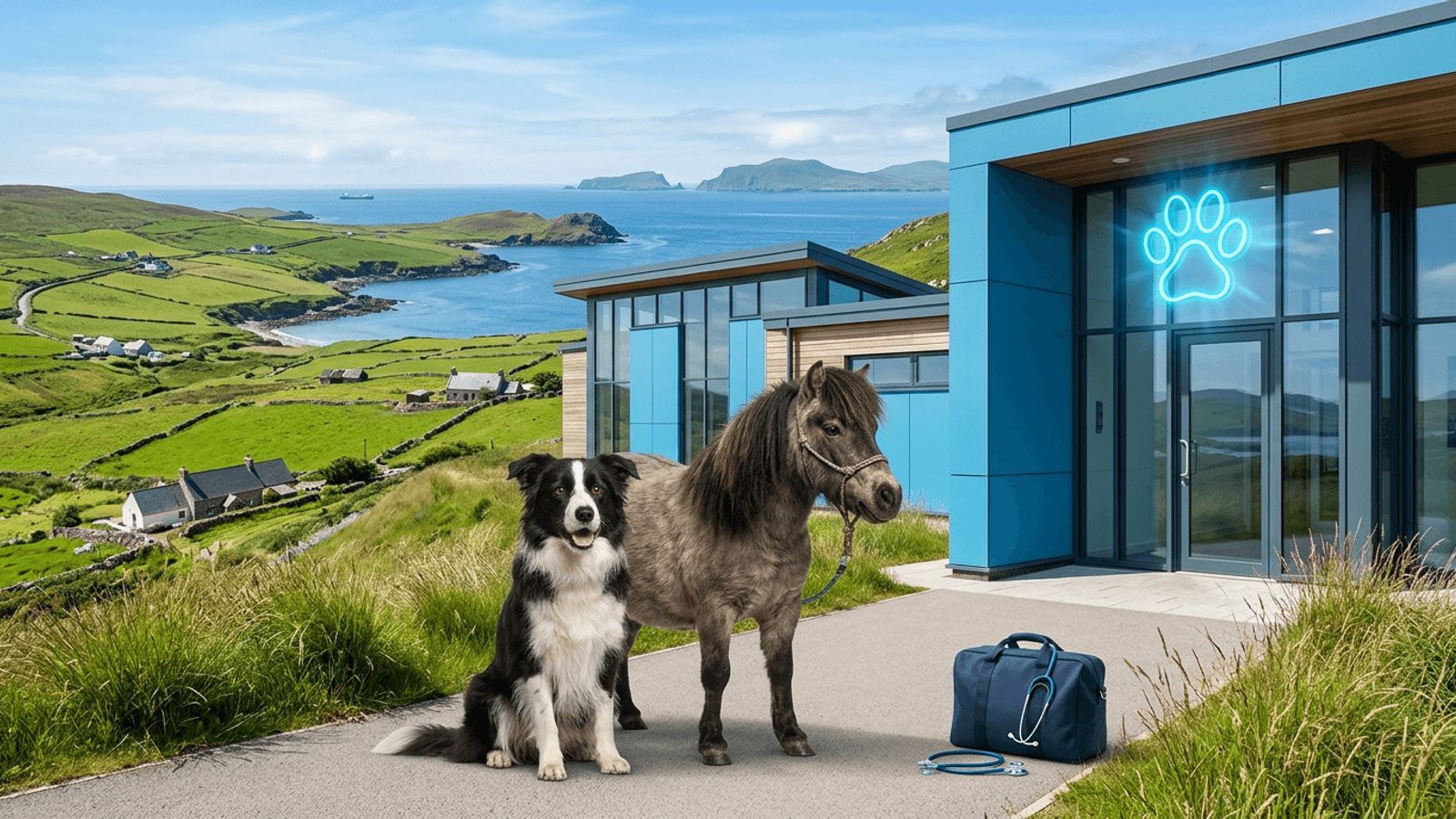
Veterinary Care in Shetland
Animals are central to Shetland life. Sheep graze on almost every hillside, the famous Shetland pony is loved around the world, sheepdogs work alongside crofters and many households keep cats, dogs and other pets. Livestock farming and crofting remain important to the island economy and culture, and native breeds such as Shetland sheep and Shetland cattle are an important part of the islands' heritage.
Unlike large towns on the mainland, Shetland does not have dozens of competing vet practices. Veterinary care is provided mainly by Shetland Vets, which operates several surgeries and offers farm and equine visits across the islands. Specialist care, laboratory diagnostics and animal welfare services are supported by organisations on the mainland. This guide explains ten key veterinary services for islanders.
The Top 10 Veterinary Services for Shetland
1. Shetland Vets, Lerwick Surgery
Shetland Vets' Lerwick surgery is a central point of care for pets in Shetland's main town. It is an RCVS-accredited practice, which means it meets the standards of the Royal College of Veterinary Surgeons Practice Standards Scheme. Services typically include consultations, vaccinations, routine procedures and advice on pet health.
2. Shetland Vets, Scalloway Surgery
The Scalloway surgery serves the west side of the Mainland and surrounding communities, providing convenient access to veterinary care without a trip into Lerwick.
3. Shetland Vets, Bixter Surgery
The Bixter surgery serves the West Mainland, a predominantly rural area where many households keep both pets and livestock. Its location supports the practice's work with farmers and crofters across the region.
4. Shetland Vets Farm and Croft Services
Farm and croft visits are a vital part of veterinary care in Shetland. Vets attend sheep, cattle and other livestock on farms and crofts throughout the islands, providing services such as lambing and calving support, flock and herd health planning and disease investigation.
5. Shetland Vets Equine Services
With Shetland ponies and other horses kept across the islands, equine care is an important service. Visits for health checks, vaccinations, dental care and treatment of illness or injury help keep the islands' horses and ponies healthy.
6. SRUC Veterinary Services
SRUC Veterinary Services, part of Scotland's Rural College, provides animal disease surveillance and diagnostic services across Scotland. It works with private vets to investigate livestock disease and plays an important role in protecting animal health in remote areas.
7. Royal (Dick) School of Veterinary Studies
The Royal (Dick) School of Veterinary Studies at the University of Edinburgh operates a specialist referral hospital for small animals and horses. Shetland vets may refer complex cases here for advanced diagnostics, surgery and specialist treatment.
8. University of Glasgow Small Animal Hospital
The University of Glasgow Small Animal Hospital is another major veterinary referral centre in Scotland, offering specialist care in areas such as oncology, cardiology, neurology and orthopaedics for pets with complex conditions.
9. Scottish SPCA
The Scottish SPCA is Scotland's animal welfare charity, investigating cruelty and neglect, rescuing animals and promoting responsible ownership. Its national helpline and inspectors cover the whole country, including the islands.
10. Online Vet Consultation Services
Online veterinary services such as FirstVet and Joii offer video consultations for pet owners. They can be useful for general advice, especially outside surgery hours, but they do not replace hands-on examination and treatment by a local vet when an animal is unwell.
Challenges of Island Veterinary Care
Providing veterinary care across a scattered archipelago is demanding. Vets may travel long distances by road and ferry to reach farms and crofts, and weather can make visits challenging. Specialist referrals can involve significant travel for pets and their owners. Recruitment and retention of vets is a challenge across rural Scotland, which makes the work of local practices all the more valuable.
Biosecurity is also particularly important for islands. Shetland's relative isolation can help protect livestock from some diseases, and careful management of animal movements helps maintain this advantage.
Trends in Veterinary Care
Preventive care, including vaccination, parasite control and dental care, is increasingly emphasised for both pets and livestock. Flock health planning helps farmers improve productivity and welfare. Telemedicine and online consultations are growing, offering convenience for advice and follow-ups. Pet insurance has become more common, helping owners afford specialist care when needed.
Tips for Pet and Livestock Owners
Register your pet with a local practice as soon as possible, rather than waiting for an emergency. Keep vaccinations and parasite treatments up to date, and plan ahead before travelling to the mainland with your pet. Farmers and crofters should work with their vet on a health plan for their flock or herd, especially before lambing and calving seasons. Keep the practice's out-of-hours arrangements to hand so you know what to do in an emergency.
Final Thoughts
Veterinary care in Shetland is built around a dedicated local practice with surgeries in Lerwick, Scalloway and Bixter, supported by farm and equine services and specialist organisations across Scotland. For pet owners, pony keepers and crofters alike, these services keep the islands' animals healthy and thriving.
Want your brand featured in front of decision-makers? Publish a guest post or get a link insertion in our guides through AAMAX's guest post and link insertion service.
Helpful Links
 SponsoredAAMAX — Full-Service Digital Agency
Write for Us
Share your expertise with our readers. We welcome guest contributions from industry specialists.
Pitch your idea