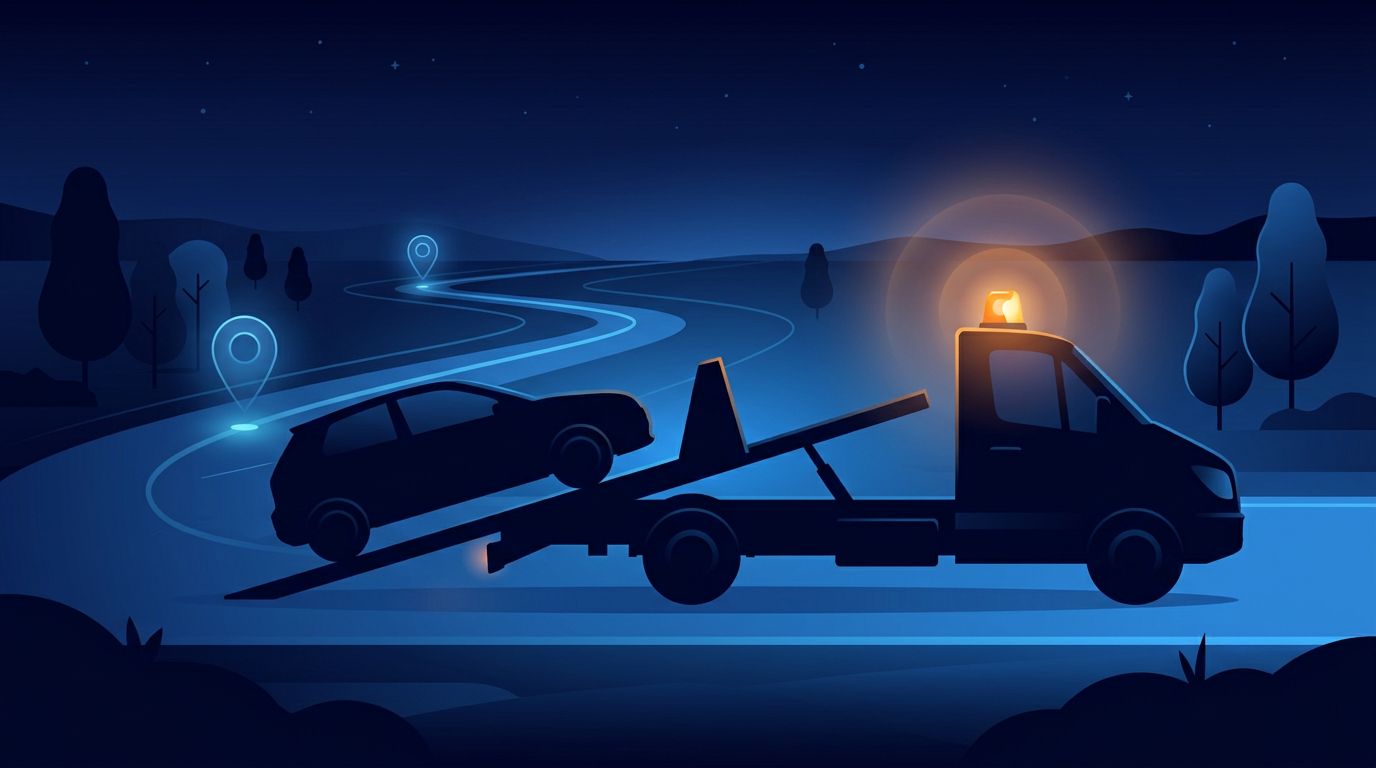
Breakdowns in Rural Suffolk Are a Different Proposition
A breakdown in an urban area means waiting in a well-lit street with shops nearby and multiple recovery operators within a short distance. A breakdown on a narrow unlit lane between Rattlesden and Woolpit at eight in the evening in February is an entirely different situation. There is no pavement, no lighting, limited mobile signal in places, and passing traffic moving at speed around blind bends. Response times are longer because operators cover large areas with few vehicles.
This makes the choice of recovery provider genuinely important rather than a box-ticking insurance decision. It also means understanding what your cover actually includes before you need it, because the difference between roadside assistance, recovery to a garage and national recovery to your home address is substantial and frequently misunderstood.
Top 10 Towing and Recovery Options for Mid Suffolk
1. The AA
The AA operates the largest patrol network in the UK and maintains substantial coverage across East Anglia. Its strengths are roadside repair capability, with a high proportion of breakdowns fixed at the scene rather than requiring a tow, plus a well-developed app for reporting location precisely, which matters enormously on unnamed rural lanes. Cover tiers range from basic roadside assistance to full national recovery and onward travel.
2. RAC
The RAC is the other major national organisation, offering comparable coverage with a strong patrol presence in the region. It is known for high roadside fix rates and for specialist equipment including universal spare wheel systems and fuel drainage capability for misfuelling, which is a surprisingly common call-out. Its at-home cover option is valuable in a rural district where a car that will not start on the driveway is just as immobilising as one stranded on a road.
3. Green Flag
Green Flag operates through a network of approved local recovery contractors rather than an employed patrol fleet, which means the responding vehicle is often a nearby independent operator who knows the area. Pricing is typically competitive, and for rural locations the contractor model can produce faster arrival because the responder may be based only a few miles away.
4. Local Independent Recovery Operators
Independent recovery businesses based in and around Stowmarket, Eye and the surrounding towns form the practical backbone of the district's recovery capability. Many are contracted to national organisations while also taking direct calls. Their advantages are genuine local knowledge, faster arrival within their area and often lower cost for a straightforward local tow arranged directly rather than through a membership scheme.
5. Manufacturer Roadside Assistance
New vehicles almost always include manufacturer-provided breakdown cover for an initial period, frequently extended if servicing is maintained at a franchised dealer. This cover typically includes recovery to an authorised dealer, which is the correct destination for a warranty-related fault. Many owners pay for separate cover unnecessarily while this remains active, so check before renewing.
6. Insurance-Linked Breakdown Cover
Many comprehensive motor insurance policies include or offer breakdown cover as an add-on, often at lower cost than standalone membership. The service is delivered through a contracted recovery network. Read the specific limits carefully, particularly whether cover applies at home, how many call-outs are permitted annually and whether onward transport is provided.
7. Heavy and Commercial Vehicle Recovery Specialists
Recovering a van, truck, horsebox or motorhome requires different equipment entirely, including heavier winches, underlift systems and sometimes crane capability. Specialists serving the A14 corridor handle commercial recovery, and given the volume of freight traffic through the district these operators are well established and experienced with roadside incidents on fast roads.
8. Agricultural and Off-Road Recovery
A distinctly rural category. Vehicles stuck in field entrances, soft verges, flooded fords and farm tracks need tractor-based or specialist off-road recovery rather than a conventional flatbed, which cannot reach them. Local agricultural contractors and farmers frequently provide this service, and in many villages it is the fastest solution available for a vehicle bogged down off the tarmac.
9. Accident Recovery and Insurer Approved Networks
Following a collision, recovery is usually arranged through the insurer's approved network, which transports the vehicle directly to an approved repair centre and begins the claims process. Using the insurer's route rather than arranging independent recovery generally avoids disputes over storage charges and repair authorisation later.
10. Vehicle Transport and Transfer Services
Not all towing is emergency work. Transport services move non-running vehicles, classic cars, auction purchases and project vehicles on covered or open transporters. Given Mid Suffolk's active classic vehicle scene and the prevalence of online vehicle purchasing, this is a steady and useful service locally.
What Affects Response Times
Rural response times are longer than urban ones, and honest providers say so. The main variables are your distance from the operator's base, time of day, weather and demand. Cold snaps generate enormous call volumes as batteries fail en masse, and response can extend considerably. Precise location reporting is the single biggest factor within your control, so use the what3words system or a mapping app to give exact coordinates rather than describing a lane.
Understanding Costs
Membership-based cover spreads cost annually and is almost always cheaper than pay-on-use recovery, which typically involves a call-out charge plus a per-mile rate and can escalate quickly for a long-distance tow. Out-of-hours, weekend and bank holiday rates are higher. If you are not a member and need recovery, ask for a total estimated cost before authorising, including any storage charges if the vehicle cannot be delivered immediately.
Staying Safe While You Wait
On a rural road, position matters more than comfort. Where possible, get the vehicle fully off the carriageway. Switch on hazard lights and, in poor visibility, sidelights. Exit via the side away from traffic and wait behind a hedge, fence or barrier rather than in the vehicle, unless conditions make that unsafe. Wear a high-visibility vest, which every rural driver should keep in the car. On the A14 specifically, get behind the barrier and do not attempt any repair. Keep a torch, warm layers, water and a charged phone or power bank in the vehicle through winter.
Choosing the Right Cover
Consider four factors. Does the cover include assistance at home, which matters in a district where most breakdowns happen on a cold morning on a driveway? Does it include national recovery to a destination of your choice? Does it cover you as a person in any vehicle, or only one specified car? And does it include onward travel or a replacement vehicle, which in a rural area without alternative transport is worth considerably more than it sounds.
Final Thoughts
Recovery in Mid Suffolk is well served by the major national organisations, a capable network of local independents, commercial specialists on the A14 and agricultural operators who handle the off-road situations nobody else can. Choose cover that includes home start and national recovery, keep winter equipment in the vehicle, and learn to report your location precisely. In a rural district those three preparations turn a potential ordeal into a manageable inconvenience.
Want your brand featured in front of decision-makers? Publish a guest post or get a link insertion in our guides through AAMAX's guest post and link insertion service.
Helpful Links
 SponsoredAAMAX — Full-Service Digital Agency
Write for Us
Share your expertise with our readers. We welcome guest contributions from industry specialists.
Pitch your idea