
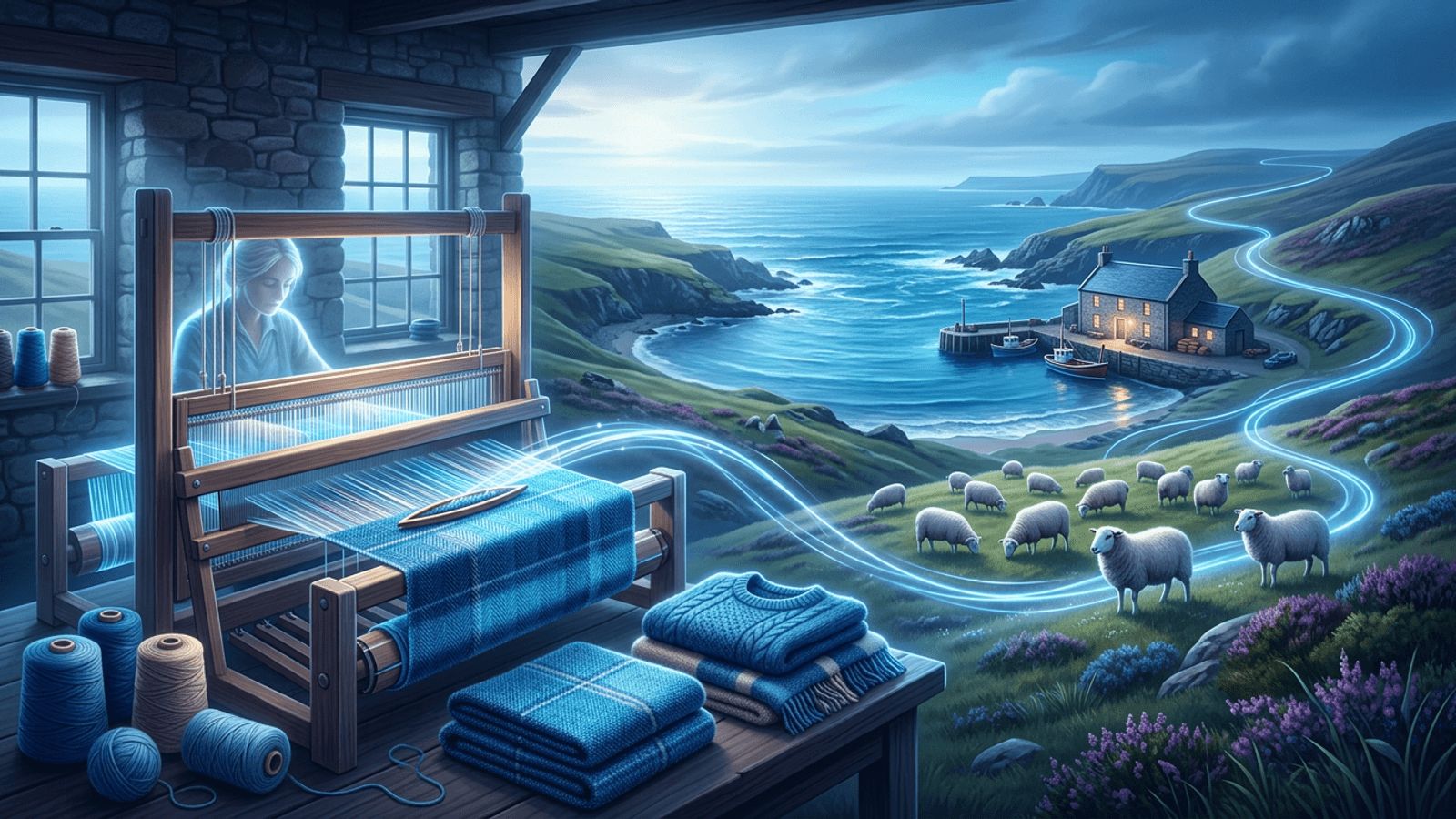
A Living Textile Heritage
Textiles have been woven into the life of Argyll and Bute for centuries. Island communities have long spun and woven wool from local sheep, creating durable cloth suited to the Atlantic climate. Today, that heritage continues through historic woollen mills, contemporary weaving studios, knitwear designers and yarn producers who combine traditional craftsmanship with modern design.
Argyll's textile makers benefit from a powerful sense of place. Colours drawn from heather, seaweed, machair, peat and sea inspire distinctive palettes, while visitors and international buyers value authentic, sustainable products made in small batches. The manufacturers and makers below represent the best of the region's textile industry.
The Top 10 Textile Manufacturers and Makers
1. Bute Fabrics
Based on the Isle of Bute, Bute Fabrics designs and weaves high-quality wool upholstery fabrics for contract and interior markets. Its textiles are used in commercial interiors and design projects around the world, making it one of the most internationally recognised manufacturers in the region.
2. Islay Woollen Mill
The Islay Woollen Mill near Bridgend has operated since the nineteenth century and produces tweed and country clothing using restored vintage Dobcross looms. Its fabrics have appeared in film and television costume work, and the mill shop is a popular destination for visitors to Islay.
3. Ardalanish, Isle of Mull Weavers
Ardalanish, near Bunessan on the Isle of Mull, produces tweed and knitwear from native Hebridean sheep wool using Victorian Dobcross power looms. With its own organic farm and mill shop, it offers a remarkable field-to-fabric story that appeals to sustainability-minded customers.
4. Eas Fors
Eas Fors on the Isle of Mull produces design-led knitwear inspired by the island's landscape. Its contemporary approach demonstrates how island textile making continues to evolve with modern style.
5. Mill of Kintyre
Mill of Kintyre is a community interest company focused on the preparation and spinning of textile fibres in Kintyre. Its work aims to add value to local wool, support local makers and revive fibre processing in the region.
6. Kate Davies Designs
Kate Davies Designs produces yarns and knitting patterns inspired by the Scottish landscape and its history. Her designs are known among knitters around the world, bringing global attention to Argyll's creative textile scene.
7. Anne Stewart Knitwear
Anne Stewart designs knitwear in Kintyre inspired by local history and culture. Her pieces reflect the stories and heritage of the peninsula, offering customers a unique connection to place.
8. Zoë Ritchie Weaving
Zoë Ritchie creates hand-woven woollen items naturally dyed with plants in Argyll. Her slow, sustainable approach produces textiles with subtle, natural colours and exceptional craftsmanship.
9. Mogwaii Design
Mogwaii Design on the Isle of Lismore creates bespoke interior furnishings and offers textile retreats. Combining making with teaching, it shares textile skills while producing distinctive island-made pieces.
10. Hayshed Gallery
The Hayshed Gallery at Carry Farm in Cowal showcases and sells locally produced textiles and crafts. It provides an important outlet for small makers, connecting them with visitors and buyers who value handmade work.
What Makes Argyll Textiles Special
Authenticity and provenance are central to the appeal of Argyll textiles. Many products use wool from local or native breeds and are made in small workshops or historic mills. Natural dyes, traditional looms and hand techniques create textiles with character and longevity.
The landscape is a constant source of inspiration. Makers draw colour palettes from island seasons, coastal light and moorland vegetation, giving each piece a distinctive sense of place. Customers increasingly value this storytelling, along with the environmental benefits of durable, natural fibres.
Industry Trends
Sustainability is a major driver of demand. Consumers are seeking natural, biodegradable fibres, transparent supply chains and products designed to last. Argyll makers, with their small-batch production and local sourcing, are well placed to meet this demand.
Wool valorisation is another important trend. Wool prices have often been low, and initiatives like local spinning and fibre processing aim to add value to fleece that might otherwise be wasted. This supports farmers and strengthens rural economies.
Textile tourism is growing too. Visitors enjoy mill tours, workshops, retreats and craft trails, combining shopping with authentic experiences. Online sales allow makers to reach global markets while remaining rooted in their communities.
How to Buy Argyll Textiles
Visit mill shops and galleries to see products first-hand and learn about how they are made. Look for information about wool sources, dyes and production methods. Many makers also sell online, offering access to their collections wherever you live. Commissioning bespoke pieces, from upholstery fabric to knitwear, is another way to support local craftsmanship.
Final Thoughts
Argyll and Bute's textile industry combines heritage, creativity and sustainability. From the internationally recognised fabrics of Bute to the historic looms of Islay and Mull and the innovative designers of Kintyre and Lismore, the region produces textiles of exceptional quality and character. Supporting these makers helps preserve traditional skills and strengthens rural communities for generations to come.
Want your brand featured in front of decision-makers? Publish a guest post or get a link insertion in our guides through AAMAX's guest post and link insertion service.
Helpful Links
 SponsoredAAMAX — Full-Service Digital Agency
Write for Us
Share your expertise with our readers. We welcome guest contributions from industry specialists.
Pitch your idea