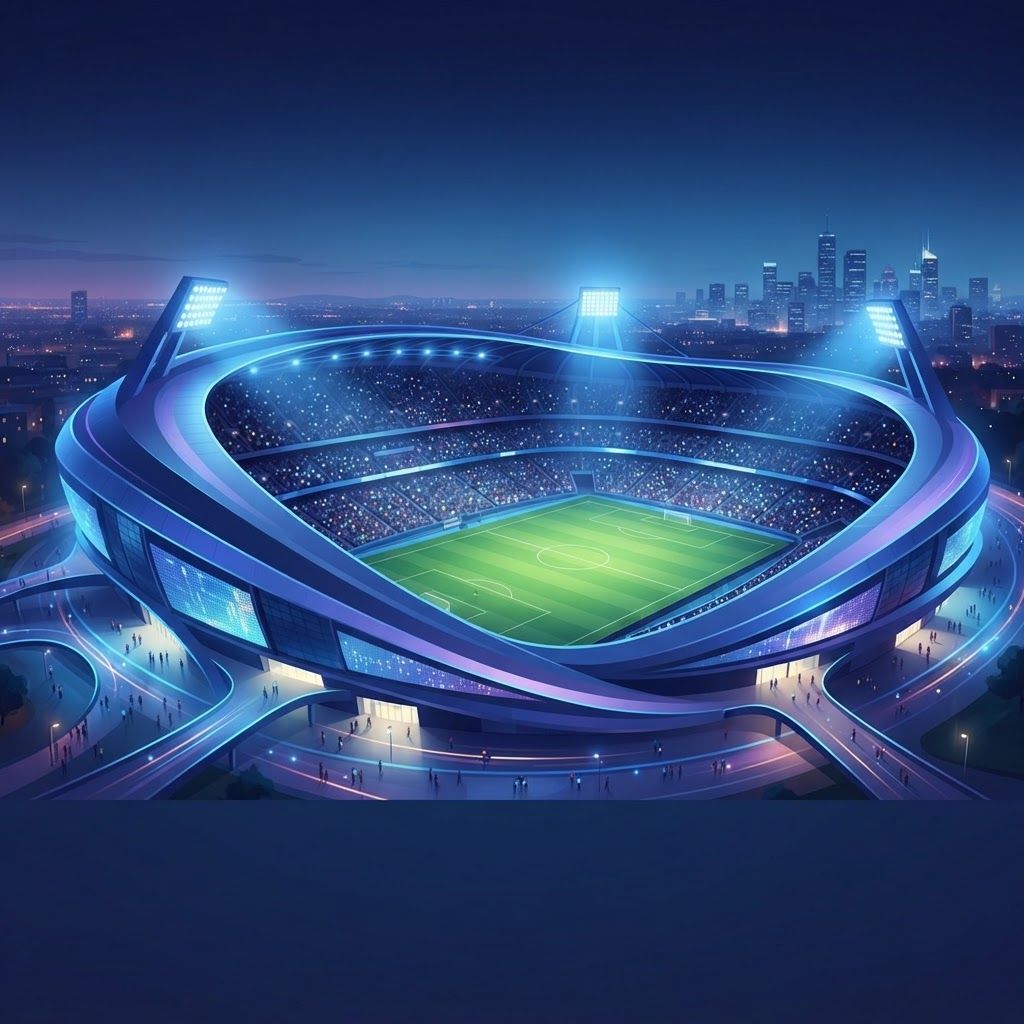
Why Stadiums Matter Beyond the Scoreboard
A stadium is rarely just a place to watch a game. In communities like Mansfield, venues function as gathering points that carry considerable civic weight, hosting school championships, community festivals, graduation ceremonies, and concerts alongside regular competition. They generate economic activity for surrounding businesses, provide facilities for youth programs, and become repositories of shared local memory across generations.
Venue quality shapes that experience substantially. Sightlines, seating comfort, acoustics, circulation, concessions, parking, and accessibility all determine whether attending an event is a pleasure or an endurance test. Modern venue design has improved dramatically on these dimensions, and the contrast between thoughtfully designed facilities and older ones is immediately apparent to anyone who visits both.
How Venue Design Has Evolved
Contemporary stadium design prioritizes the total visitor experience rather than simply maximizing seat count. Wider concourses reduce congestion at intermission. Varied seating options, from traditional bleachers to club seating and standing areas, accommodate different preferences and budgets. Improved accessibility provisions ensure that seating, restrooms, and concessions genuinely serve all attendees rather than meeting minimum requirements.
Technology has also transformed venues. Connected infrastructure supports mobile ticketing, cashless concessions, and in-seat ordering. Video displays have grown in size and clarity. Lighting has shifted to efficient systems capable of dynamic effects. Behind the scenes, improved field drainage, hybrid turf systems, and better maintenance practices have made playing surfaces more reliable in poor weather.
1. Mansfield Community Stadium
Mansfield Community Stadium serves as the area's principal multi-purpose venue, hosting football, soccer, track competition, and large community events. Its design emphasizes clear sightlines from every section and generous concourse width. The facility's lighting and sound systems support evening events well, and its track surface accommodates competitive meets throughout the season.
2. Riverside Athletic Park
Riverside Athletic Park is a multi-field complex supporting baseball, softball, and youth programs. Rather than concentrating on a single showpiece stadium, the park's value lies in its capacity to run numerous simultaneous games, making it the natural home for tournaments that draw visiting teams and families to Mansfield.
3. Northgate Sports Arena
Northgate Sports Arena is an indoor venue hosting basketball, volleyball, wrestling, and indoor events. Its climate-controlled environment allows year-round scheduling regardless of weather, and its configurable seating supports everything from intimate competitions to larger gatherings. The arena's acoustic treatment makes it suitable for non-sporting events as well.
4. Heritage Field
Heritage Field is one of the older venues in the Mansfield area and carries considerable local history. Its traditional grandstand architecture and intimate scale create an atmosphere that newer, larger facilities struggle to replicate. Ongoing preservation work has updated safety and accessibility provisions while retaining the venue's distinctive character.
5. Summit Soccer Complex
Summit Soccer Complex is dedicated to football and soccer at youth, school, and adult recreational levels. Multiple full-size pitches, including synthetic surfaces that remain playable in wet conditions, allow the complex to maintain schedules when natural grass fields would be unusable. Spectator areas are positioned for good viewing across several fields.
6. Cedar Park Track and Field Center
Cedar Park Track and Field Center specializes in athletics, with a competition-grade running surface and dedicated areas for jumping and throwing events. Purpose-built track facilities are relatively uncommon, and Cedar Park's specification allows it to host sanctioned meets that draw competitors from a wide surrounding area.
7. Ironwood Aquatic Center
Ironwood Aquatic Center provides competitive swimming and diving facilities alongside recreational swimming. Competition pools require precise depth, lane configuration, and timing infrastructure, and the center's specification supports sanctioned meets. Spectator seating with good sightlines over the water sets it apart from general recreational pools.
8. Bluestone Multi-Sport Facility
Bluestone Multi-Sport Facility offers flexible indoor space configurable for court sports, training, and camps. Its value lies in adaptability, serving multiple sports and age groups throughout the year. The facility has become an important resource for Mansfield youth programs needing reliable indoor training space during winter months.
9. Lakeview Recreation Grounds
Lakeview Recreation Grounds combines sports fields with broader community recreation space, including walking paths, courts, and open areas. This blended model reflects a growing understanding that athletic facilities serve communities best when they also support informal recreation rather than remaining locked between scheduled events.
10. Clearfield Events Pavilion
Clearfield Events Pavilion rounds out the list as a covered venue hosting both athletic and non-athletic events. Its weather protection makes it valuable for scheduling certainty, and its flexible layout accommodates markets, exhibitions, and community gatherings alongside sporting use, maximizing the return on public investment.
Trends in Venue Development
Multi-use design has become the dominant philosophy, since single-purpose venues sit idle too often to justify their cost. Facilities designed to convert between configurations achieve far higher utilization and stronger community benefit. Sustainability has also become central, with efficient lighting, water recapture for irrigation, and improved building envelopes reducing operating costs meaningfully.
Accessibility expectations have risen substantially, extending beyond seating to include parking, wayfinding, sensory-friendly spaces, and accessible concessions and restrooms. Many venues now offer designated quiet areas for attendees who find crowded environments overwhelming, reflecting a broader understanding of what inclusive design requires.
Getting the Most From a Visit
Arrive early for popular events, since parking and entry are the most common sources of frustration. Check bag policies in advance, as these vary between venues and are often strictly enforced. Review seating maps when purchasing, paying attention to sun exposure for afternoon events and to distance from concessions and restrooms.
For families, identify accessible facilities and quieter areas before the event rather than during it. Consider weather carefully for open venues, since conditions at a stadium are often harsher than expected. Mansfield's collection of venues offers genuine variety across scale, sport, and atmosphere, and each has a distinct character worth experiencing.
Want your brand featured in front of decision-makers? Publish a guest post or get a link insertion in our guides through AAMAX's guest post and link insertion service.
Helpful Links
 SponsoredAAMAX — Full-Service Digital Agency
Write for Us
Share your expertise with our readers. We welcome guest contributions from industry specialists.
Pitch your idea