Solar Power in London: Better Than Expected
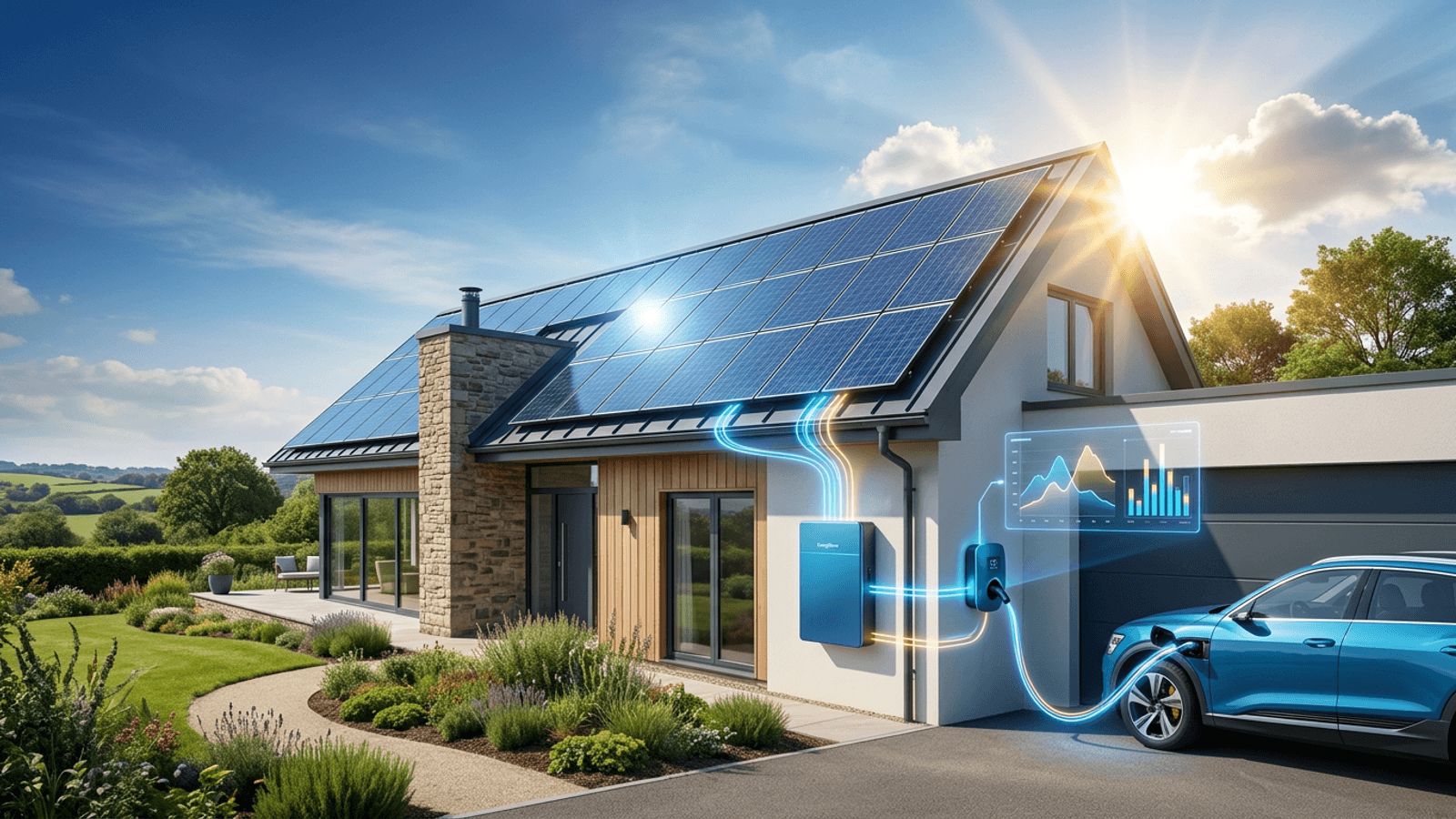
A persistent myth holds that solar panels do not work well in Britain, and particularly not in cloudy London. The reality is different. Photovoltaic panels generate electricity from daylight rather than direct heat, and London receives sufficient annual irradiance to make well-designed installations genuinely worthwhile. Modern panels are considerably more efficient than earlier generations, and rising electricity costs have improved the economics substantially.
Hammersmith and Fulham presents both opportunity and constraint. Many properties have suitable roof space, particularly rear extensions, flat roofs on converted buildings and larger terraced houses. Commercial and institutional buildings around Hammersmith and White City offer substantial roof areas. Against this, conservation area designations restrict front-facing installations, leasehold arrangements require freeholder consent, shading from neighbouring buildings and mature trees affects yield, and roof condition on older properties sometimes requires attention first.
What a Solar Installation Involves
A proper solar project begins with assessment. This covers roof orientation and pitch, available area, shading analysis across the day and year, roof structural condition, existing electrical arrangements and expected household or business consumption patterns. Good installers model realistic generation rather than quoting theoretical maximums.
System design follows, specifying panel type and quantity, inverter selection, mounting method appropriate to the roof construction, cable routing and, increasingly, battery storage capacity. Battery sizing depends heavily on consumption patterns, since storage only adds value if it displaces electricity that would otherwise be imported.
Installation itself typically takes one to three days for a domestic system, followed by electrical certification, notification to the network operator and registration for export payments. Ongoing requirements are modest, involving occasional cleaning, monitoring and periodic inverter checks.
Leading Solar Energy Companies Serving the Borough
1. Octopus Energy Solar combines panel and battery installation with tariffs designed to maximise the value of both generation and storage, offering an integrated proposition.
2. Solarsense designs and installs photovoltaic and battery systems for domestic and commercial clients, with experience of constrained urban roofs.
3. Egg provides solar and storage installations with a focus on straightforward customer experience and clear performance expectations.
4. Project Solar UK offers domestic installations with extended product guarantees, appealing to homeowners prioritising long-term assurance.
5. Contact Solar serves London and the South East with residential and commercial photovoltaic design and installation.
6. Joju Solar has strong experience with community, commercial and public sector installations, including complex flat roof and multi-occupancy projects relevant to London building types.
7. GivEnergy accredited installers operating across West London specialise in battery storage integration alongside solar, improving self-consumption for households with daytime export.
8. Tesla Energy certified installers serving London combine solar with home battery systems and electric vehicle charging for households pursuing integrated electrification.
9. Commercial solar specialists working with London businesses design larger rooftop arrays for offices, warehouses and institutional buildings, often supported by power purchase arrangements that avoid upfront capital cost.
10. Local MCS-certified installers across Hammersmith and Fulham provide domestic installations with familiarity with borough planning expectations, conservation constraints and typical roof constructions.
Trends in Solar Energy
Battery storage has become standard rather than optional in new domestic installations. Without storage, much midday generation is exported at modest rates while evening consumption is imported at higher prices. Batteries close that gap and, combined with flexible tariffs, allow cheap overnight charging that further reduces bills.
Panel efficiency continues to improve while costs remain competitive, meaning smaller roof areas now produce meaningful output. This matters considerably in London, where available roof space is often limited by dormers, chimneys, roof lights and shading.
Integrated and low-profile mounting systems have improved aesthetics, with in-roof installations and all-black panels reducing visual impact. This has proved important in conservation areas where appearance influences whether consent is achievable.
Solar carports, canopies and facade-integrated systems are expanding options for buildings where roof space is unsuitable, particularly in commercial contexts.
Smart energy management has become a significant differentiator. Systems that coordinate solar generation, battery charging, electric vehicle charging and heat pump operation extract considerably more value than uncoordinated components, and installers with genuine controls expertise deliver better results.
How to Choose a Solar Installer
Certification is the essential starting point. Installations by certified installers under recognised schemes are required for export payment eligibility and provide quality assurance. Verify certification directly rather than relying on claims.
Scrutinise generation estimates. Reputable installers produce figures based on measured orientation, pitch and shading analysis, and will explain their assumptions. Unusually high projections without supporting analysis warrant scepticism.
Understand what the quotation includes, covering panels, inverter, mounting, electrical work, scaffolding, certification, network notification and any roof repairs identified. Scaffolding in particular is sometimes excluded from initial figures.
Ask about roof condition. Fitting panels to a roof requiring recovering within a few years creates avoidable cost, since removal and refitting is expensive. Honest installers raise this proactively.
Check warranty terms separately for panels, inverter, battery and workmanship, since these differ substantially. Inverters typically have shorter lifespans than panels and represent the most likely replacement cost.
For flats and leasehold properties, confirm consent requirements before committing. Freeholder permission and, in conservation areas, planning consideration are prerequisites rather than formalities.
Local Considerations
Solar installations across Hammersmith and Fulham require attention to specific local factors. Conservation area status may restrict panels visible from the street, though rear roof slopes frequently remain viable. Terraced housing creates shading from neighbouring properties and chimney stacks, making detailed shading analysis important rather than optional. Flat roofs on converted buildings suit ballasted mounting systems that avoid penetration. Larger commercial roofs around industrial and retail sites offer strong potential given consistent daytime consumption that matches generation well.
Final Thoughts
Solar energy in Hammersmith and Fulham is practical, financially sensible for many properties and increasingly attractive when paired with storage and smart controls. The companies serving the borough range from national installers with integrated tariff offerings to local certified specialists and commercial rooftop designers. Prioritising honest assessment, proper shading analysis and appropriate battery sizing produces installations that deliver on their promises for decades rather than disappointing within years.
Want your brand featured in front of decision-makers? Publish a guest post or get a link insertion in our guides through AAMAX's guest post and link insertion service.
Helpful Links
 SponsoredAAMAX — Full-Service Digital Agency
Write for Us
Share your expertise with our readers. We welcome guest contributions from industry specialists.
Pitch your idea