Education in a City That Takes Learning Seriously
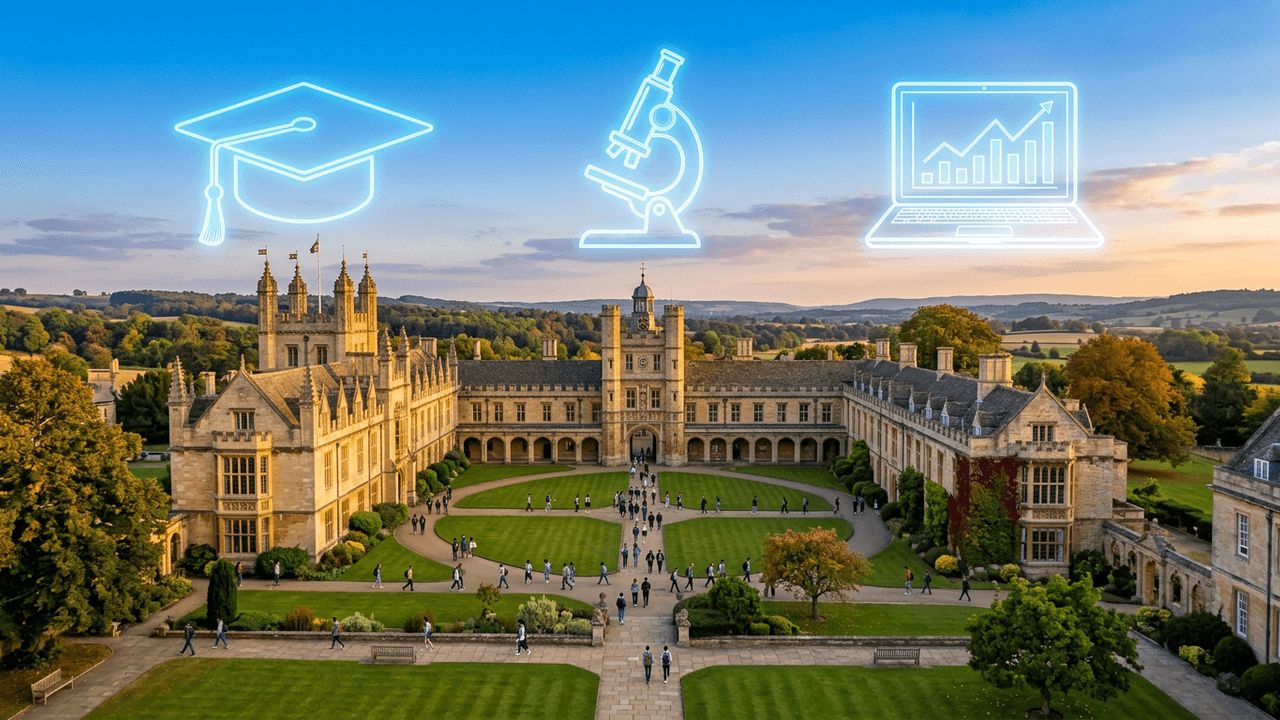
Chichester has an educational character that considerably exceeds its size. The city hosts a university, a substantial further education college, a cathedral with a long choral and scholarly tradition, several historic independent schools and a network of state primaries and secondaries serving the city and the surrounding villages. Add the cultural infrastructure of a major festival theatre, significant museums, Roman archaeology on the doorstep and a national park within walking distance, and the district offers an unusually rich learning environment.
This matters practically. Education is consistently one of the leading reasons families relocate into the area, which in turn shapes the housing market, community life and the degree of competition for places at the most sought-after schools. Understanding how the local landscape works is therefore valuable well before an application deadline approaches.
How the Local Education Landscape Is Structured
State provision follows the standard English pattern of primary education to age eleven followed by secondary education, with sixth form study available at some secondary schools and at dedicated colleges. Admissions to state schools are administered by the local authority using published criteria, typically prioritising looked-after children, medical or social need, siblings and then distance from the school. Catchment realities can be tight in popular areas, and distance measurement methods matter considerably.
Independent provision covers pre-preparatory, preparatory and senior schooling, with several institutions offering boarding alongside day places. Entry is usually by assessment and interview, often well in advance of the year of entry, and scholarship and bursary programmes are widely available.
Special educational needs provision includes both specialist settings and well-developed support within mainstream schools. Families should engage early with the statutory assessment process where appropriate, as timelines are lengthy.
Ten Leading Schools and Education Providers
Chichester High School is a substantial state secondary serving the city, offering a broad curriculum, established sixth form pathways and strong provision in sport, performing arts and science. Its scale allows subject breadth that smaller schools cannot match.
Bishop Luffa School is a Church of England secondary with a long-standing reputation for academic achievement, pastoral care and community involvement. Its admissions arrangements reflect its faith foundation, and it is consistently among the most sought-after state secondary options in the district.
The Prebendal School is the city's historic independent preparatory school, closely linked to the cathedral and known for its choral tradition, small class sizes and strong musical and academic grounding.
Westbourne House School is an independent preparatory school set in extensive grounds outside the city, offering day and boarding places, notable sporting facilities and a broad co-curricular programme.
Chichester College is the principal further education provider, delivering vocational qualifications, apprenticeships, technical courses and adult learning alongside academic sixth form study, with strong links to local employers.
University of Chichester anchors higher education in the city, with strengths in teacher training, sport, performing arts, humanities and business, and it contributes significantly to the district's cultural and economic life.
Central Church of England Junior School serves the city centre with a well-regarded primary phase, valued for community atmosphere, creative curriculum delivery and strong transition support to secondary education.
Jessie Younghusband School is a popular primary school known for its nurturing environment, outdoor learning approach and active parent community, making it a common first choice for families moving into the city.
Oakwood School is an independent preparatory school to the west of the city, offering a co-educational environment, small classes and an emphasis on individual attention and outdoor education within a rural setting.
Bourne Community College serves the western villages of the district, providing secondary education with a focus on inclusion, vocational pathways and close links with the communities it serves.
How to Choose the Right School
Begin with your child rather than league tables. Academic results matter, but fit matters more. A confident, competitive child may thrive in a large school with extensive provision, while a quieter child may do far better in a smaller setting with closer pastoral oversight.
Visit in person and observe the details that inspection reports cannot capture: how pupils speak to visitors and to each other, how teachers manage transitions between lessons, how displays reflect current work, how the school handles behaviour and how leaders answer difficult questions.
Examine the full offer. Look beyond core academic subjects to music, sport, drama, outdoor education, careers guidance and special educational needs support. Ask about pupil destinations, since where leavers go says a great deal about the preparation they received.
Consider practical logistics honestly. A school that requires a long daily commute affects sleep, homework time, friendships and extracurricular participation. Transport arrangements across the rural parts of the district deserve careful checking.
Practical Advice for Families
Apply within published deadlines, since late applications are considered only after on-time ones. Research admissions criteria carefully and understand how distance is measured, because assumptions about catchment are frequently wrong. For independent schools, register early, as assessment dates and waiting lists can operate years ahead. Explore bursary and scholarship provision rather than assuming independent education is unaffordable. If your child has additional needs, begin the statutory process early and gather professional evidence. Finally, prepare a realistic list of preferences rather than naming only one school, and understand the appeal process before you need it.
The Outlook
Education in Chichester benefits from a strong cultural environment, a mix of provision types and sustained family demand. Pressure on places at the most popular schools is likely to continue, particularly as housing development across the coastal plain adds population. Expect continued emphasis on vocational and technical pathways alongside academic routes, growing attention to wellbeing and outdoor learning, and deeper partnerships between schools, the university, the college and local employers. For families, early research and honest assessment of fit remain the most reliable route to a good outcome.
Want your brand featured in front of decision-makers? Publish a guest post or get a link insertion in our guides through AAMAX's guest post and link insertion service.
Helpful Links
 SponsoredAAMAX — Full-Service Digital Agency
Write for Us
Share your expertise with our readers. We welcome guest contributions from industry specialists.
Pitch your idea