Why Roofing in Tendring Demands Specialist Attention
The roof is the most exposed element of any building, and in Tendring that exposure is severe. The district faces the North Sea across a low, open landscape with little natural shelter, meaning wind speeds and driving rain intensity regularly exceed inland Essex conditions. Coastal storms produce uplift forces that find any weakness in fixing, and salt-laden air corrodes fixings, flashings and fasteners far faster than in sheltered locations.
The consequences of roofing failure are disproportionate. Water ingress damages insulation, ceilings, decoration, electrical systems and structural timber, and the resulting repair cost typically dwarfs the original roofing work. In a district where a significant proportion of housing stock is a century old or more, roof condition is one of the most consequential maintenance considerations a property owner faces.
Pitched Roofing: Tiles and Slates
Pitched roofs dominate Tendring's residential stock. Clay plain tiles and pantiles are traditional across Essex and remain common on older property. Concrete interlocking tiles became standard in post-war construction, offering lower cost and faster installation. Natural slate appears on higher-status Victorian buildings and in conservation areas, while fibre cement and composite slates provide lower-cost alternatives with reasonable appearance.
The critical factor in coastal locations is fixing specification. Standard practice inland may allow a proportion of tiles to be laid unfixed, relying on gravity and interlock. On exposed coastal roofs this is inadequate, and current standards require calculation of wind uplift with mechanical fixing specified accordingly, frequently meaning every tile is nailed or clipped. Contractors who apply a standard fixing pattern without assessing exposure produce roofs that lose tiles in the first serious storm.
Underlay choice also matters. Breathable membranes allow moisture vapour to escape from the roof space while excluding water, but they must be correctly supported and lapped, and in high-exposure locations may require taped joints. Ridge and hip details should be mechanically fixed using dry-fix systems rather than relying solely on mortar bedding, which cracks and fails under thermal movement and wind loading.
Flat Roofing Systems
Flat roofs are common on extensions, garages, commercial buildings and mid-century property. The reputation of flat roofing suffered from decades of poor-quality built-up felt installation, but modern systems perform well when correctly specified and installed.
Ethylene propylene diene monomer rubber membranes offer long service life as a single-piece covering with minimal joints, which is a significant advantage. Thermoplastic polyolefin and polyvinyl chloride single-ply membranes are welded rather than glued, producing reliable seams, and are widely used commercially. Glass-reinforced plastic provides a seamless, durable finish suited to balconies and areas with foot traffic. High-performance reinforced bitumen membranes, torch-applied in multiple layers, remain a robust option.
Regardless of membrane, three details determine success: adequate falls to drainage, since standing water accelerates degradation and finds any weakness; correct edge and upstand detailing, as most flat roof failures begin at perimeters and penetrations; and appropriate insulation with a vapour control layer positioned correctly to prevent interstitial condensation.
Green Roofs and Solar Integration
Green roof systems, with extensive sedum or intensive planted build-ups, are increasingly specified for their drainage attenuation, biodiversity and thermal benefits. They require structural capacity assessment, a root-resistant membrane, drainage layer and appropriate growing medium, plus maintenance access.
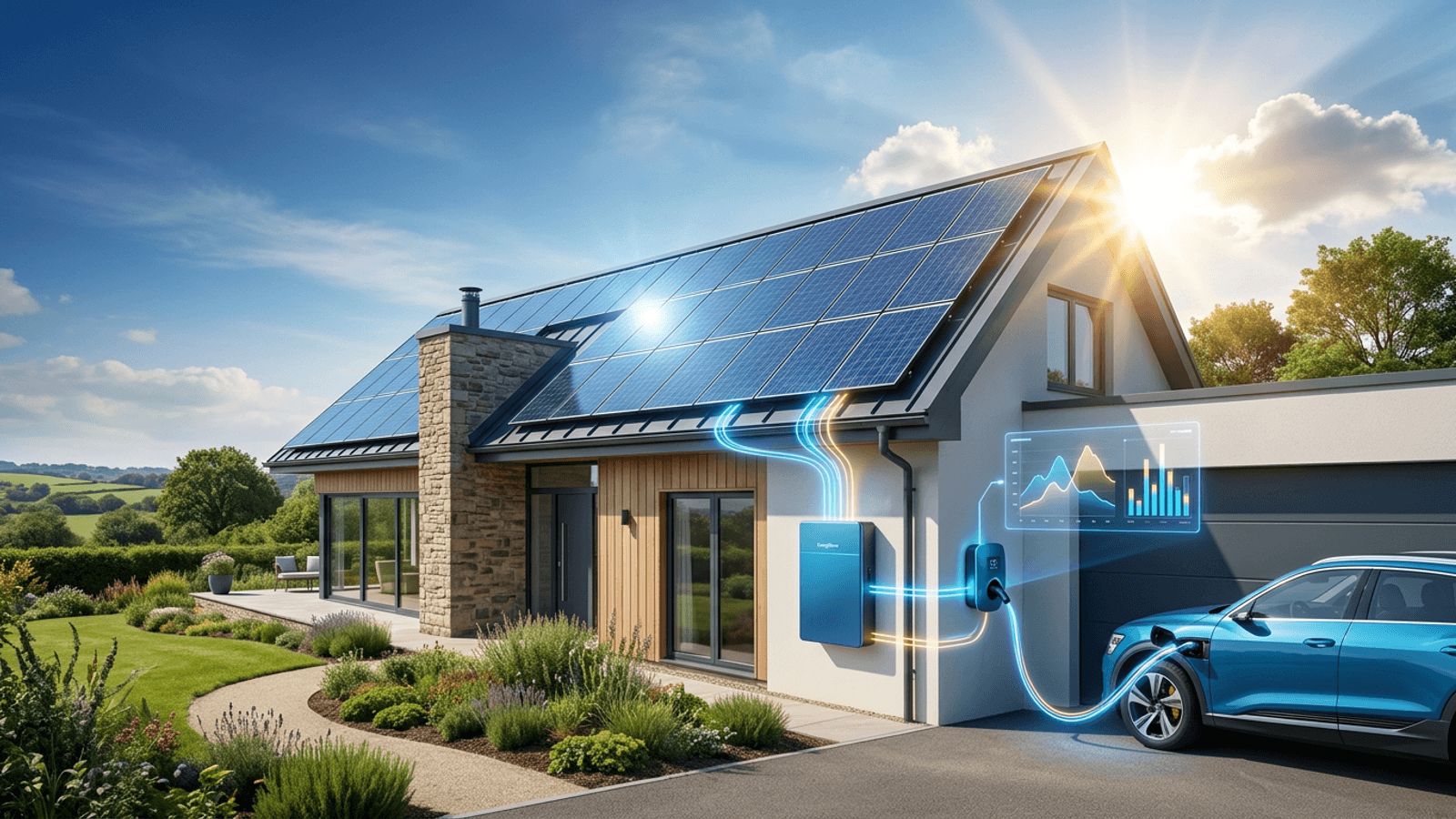
Solar photovoltaic integration is now routine, and roofing contractors increasingly work alongside or hold accreditation for solar installation. Mounting must not compromise weathertightness, and roof structure must be assessed for additional loading. On coastal roofs, mounting systems must resist wind uplift on the panels themselves, which act as significant sails.
Leadwork, Flashings and Weathering Details
Flashings are where most roofs actually leak. Lead remains the premium material for chimney flashings, valleys, abutments, parapet gutters and complex weathering details because it is malleable, extremely durable and can be dressed precisely to irregular shapes.
Quality leadwork requires correct code thickness for the application, appropriate bay lengths to accommodate thermal movement, proper welting and clipping at exposed edges, and separation from incompatible materials to prevent corrosion. Poor leadwork, with over-long bays that split from expansion or inadequate fixing that allows wind lift, is a common defect.
Chimney maintenance deserves specific mention, as Tendring's older housing stock has many chimneys in varying condition. Defective pointing, cracked flaunching, failed flashings and eroded brickwork allow water ingress that shows up as damp on internal walls, often diagnosed incorrectly as rising damp.
Storm Damage and Emergency Repair
Coastal storms generate a predictable seasonal pattern of emergency roofing work: displaced tiles, lifted ridge sections, damaged flashings, blown-off flat roof coverings, and detached rainwater goods. Contractors offering genuine emergency response with temporary weatherproofing capability provide real value, since limiting water ingress in the hours after damage prevents most of the consequential cost.
Property owners should photograph damage thoroughly for insurance purposes, arrange temporary protection promptly, and obtain a written report identifying the cause. Insurers distinguish between storm damage, which is generally covered, and gradual deterioration or lack of maintenance, which is not, so an accurate assessment matters for claims.
Roof Insulation and Ventilation
Roof insulation is the most cost-effective thermal improvement available for most homes, and current standards require substantially greater depth than was fitted in older properties. Cold roof construction places insulation at ceiling level with a ventilated roof void above. Warm roof construction places insulation at rafter level, which is necessary for habitable loft space.
Ventilation is the frequently neglected companion to insulation. In cold roof construction, adequate ventilation at eaves and ridge removes moisture-laden air from the roof void, preventing condensation on the underside of the roof covering and consequent timber decay. Insulation stuffed into eaves, blocking ventilation paths, is a common and damaging error.
Rainwater Goods
Gutters, downpipes and hoppers are inexpensive relative to roofing but cause disproportionate damage when they fail. Blocked or leaking gutters saturate walls, causing penetrating damp, render failure and frost damage. In coastal locations, plastic systems become brittle with ultraviolet exposure while ferrous systems corrode, so material selection and regular maintenance both matter.
Cast iron remains appropriate on period and listed property and lasts indefinitely with maintenance. Aluminium offers a durable, low-maintenance alternative with a similar profile. Regular clearing, at least annually and more often where trees overhang, is the single highest-value roof maintenance task an owner can undertake.
Scaffolding, Access and Safety
Roofing is high-risk work, and falls from height remain the construction industry's leading cause of fatality. Legitimate contractors use properly designed scaffold with handover certificates, edge protection and safe access. Contractors working from ladders on pitched roofs, or without edge protection, are operating illegally and represent both a safety risk and a liability exposure for the property owner.
Scaffold cost is a significant proportion of roofing work, which is why combining roofing with other external work such as rendering, painting or window replacement while scaffold is erected represents genuine savings.
Selecting a Roofing Contractor
Verify insurance including public liability and, importantly, that the policy covers work at height. Check membership of recognised roofing trade bodies, which typically requires workmanship inspection and provides insurance-backed guarantees. Ask specifically about experience on coastal properties and how they specify fixings for exposure.
Obtain detailed written quotations specifying materials by manufacturer and type, fixing specification, underlay, ventilation provision, scaffold, waste removal and guarantee terms. Be highly cautious of doorstep approaches offering roof work, particularly those claiming to have spotted a problem from the road, as this is a persistent pattern in coastal and older-population areas. Never pay substantial sums upfront.
Industry Trends
Dry-fix systems have replaced mortar bedding as standard for ridges, hips and verges, improving reliability under thermal and wind loading. Solar integration and green roofing continue to grow. Breathable membrane technology has improved roof space moisture management substantially. And drone survey is now widely used for inspection, allowing detailed assessment without scaffold cost.
Final Thoughts
Roofing in Tendring is a specification problem as much as a workmanship one. Exposure demands mechanical fixing throughout, corrosion-resistant components, robust flashing details and proper ventilation. Choose accredited contractors with coastal experience, insist on detailed written specification, maintain rainwater goods annually, and address minor defects promptly. A well-built roof here will last decades; a poorly fixed one will not survive its first serious storm.
Want your brand featured in front of decision-makers? Publish a guest post or get a link insertion in our guides through AAMAX's guest post and link insertion service.
Helpful Links
 SponsoredAAMAX — Full-Service Digital Agency
Write for Us
Share your expertise with our readers. We welcome guest contributions from industry specialists.
Pitch your idea