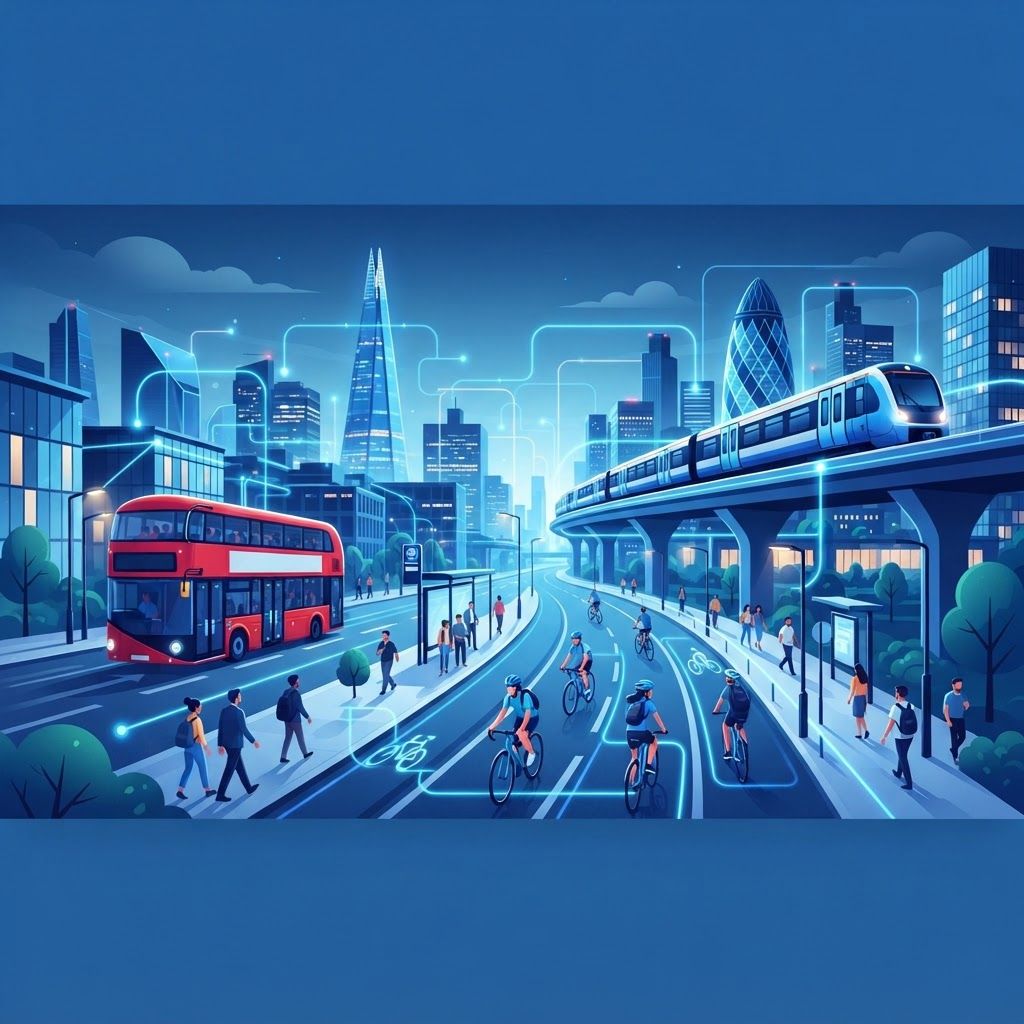
Getting Around Hackney
Hackney is one of London's most accessible boroughs, offering residents and visitors a rich array of public transit options. From frequent buses and the popular Overground to cycling infrastructure and river services within reach, getting around Hackney rarely requires a private car. This abundance of sustainable transport aligns with the borough's progressive, environmentally conscious character.
The strength of Hackney's public transit has contributed significantly to its desirability and economic vitality. Excellent connectivity attracts residents, supports businesses, and reduces reliance on cars, easing congestion and improving air quality. Understanding the full range of options helps everyone navigate the borough efficiently.
The London Overground
The London Overground stands as the backbone of Hackney's rail-based transit. Serving stations including Hackney Central, Hackney Wick, Dalston Junction, Homerton, and London Fields, it provides fast, frequent connections across London. Its orbital routes allow passengers to travel around the capital without passing through the congested centre, a genuine convenience for many journeys.
Managed within Transport for London's network, the Overground integrates seamlessly with other services through contactless and Oyster payment. Its modern trains, reliable timetables, and step-free access at many stations make it a cornerstone of daily life for thousands of Hackney residents.
Bus Services
London's iconic red buses form an extensive and vital part of Hackney's transit network. Transport for London operates numerous routes crisscrossing the borough, connecting neighbourhoods to shops, schools, workplaces, and transport interchanges. Buses reach areas not directly served by rail, ensuring comprehensive coverage across Hackney.
The bus network's affordability, frequency, and accessibility make it invaluable, particularly for shorter local journeys. Features such as contactless payment, real-time arrival information, and low-floor accessible vehicles enhance the experience. Night buses extend coverage into the small hours, supporting Hackney's vibrant nightlife and shift workers alike.
Cycling Infrastructure and Schemes
Cycling has flourished in Hackney, supported by extensive infrastructure and a strong cycling culture. Transport for London's cycle hire scheme provides convenient access to bikes for short journeys, with docking stations positioned throughout the area. The borough boasts numerous cycle lanes, quiet routes, and cycle-friendly streets that make pedalling both safe and pleasant.
Hackney has consistently championed cycling as a healthy, sustainable, and efficient mode of transport. Dedicated cycle superhighways and quietways connect the borough to central London and neighbouring areas, encouraging residents to leave cars at home. The growth of cycling reflects both practical advantages and the borough's commitment to reducing emissions.
Underground and Elizabeth Line Connections
While Hackney has limited direct Underground coverage, connections at neighbouring stations bring the Tube network within easy reach. The Central and Victoria lines, accessible from the borough's edges, provide rapid links across London. These connections, combined with the Overground, give residents comprehensive rail access.
The Elizabeth Line, though its stations sit at the borough's periphery, has transformed cross-London travel. Its rapid, spacious trains connect to Heathrow, the West End, Canary Wharf, and beyond, offering Hackney travellers faster and more comfortable journeys for longer trips.
River and Alternative Transport
Thames Clippers river bus services, accessible from nearby piers, offer a scenic and efficient alternative for travel toward Canary Wharf, London Bridge, and central destinations. Though not directly within the borough, these services provide a pleasant option for certain journeys, combining transport with river views.
Emerging options such as electric scooter hire schemes and expanding car clubs supplement the transit landscape, offering flexible alternatives for specific needs. These innovations reflect the evolving nature of urban mobility and provide additional choices for getting around.
Trends in Public Transit
Public transit in Hackney continues to evolve toward greater sustainability and accessibility. Electrification of buses is reducing emissions and improving air quality, while ongoing investment in cycling infrastructure encourages active travel. Accessibility improvements aim to make every mode welcoming to all users, including those with mobility needs.
Digital innovation enhances the experience through real-time information, integrated journey planning, and seamless contactless payment across all modes. The push toward a car-free, low-emission borough drives continued investment in public and active transport, positioning Hackney as a model of sustainable urban mobility.
Conclusion
Hackney's public transit network is diverse, extensive, and increasingly sustainable. From the reliable Overground and comprehensive bus routes to flourishing cycling infrastructure and river connections, residents enjoy exceptional options for getting around. This rich transit ecosystem supports the borough's economy, enhances quality of life, and advances its environmental goals, making Hackney one of London's most connected and forward-thinking boroughs.
Want your brand featured in front of decision-makers? Publish a guest post or get a link insertion in our guides through AAMAX's guest post and link insertion service.
Helpful Links
 SponsoredAAMAX — Full-Service Digital Agency
Write for Us
Share your expertise with our readers. We welcome guest contributions from industry specialists.
Pitch your idea