
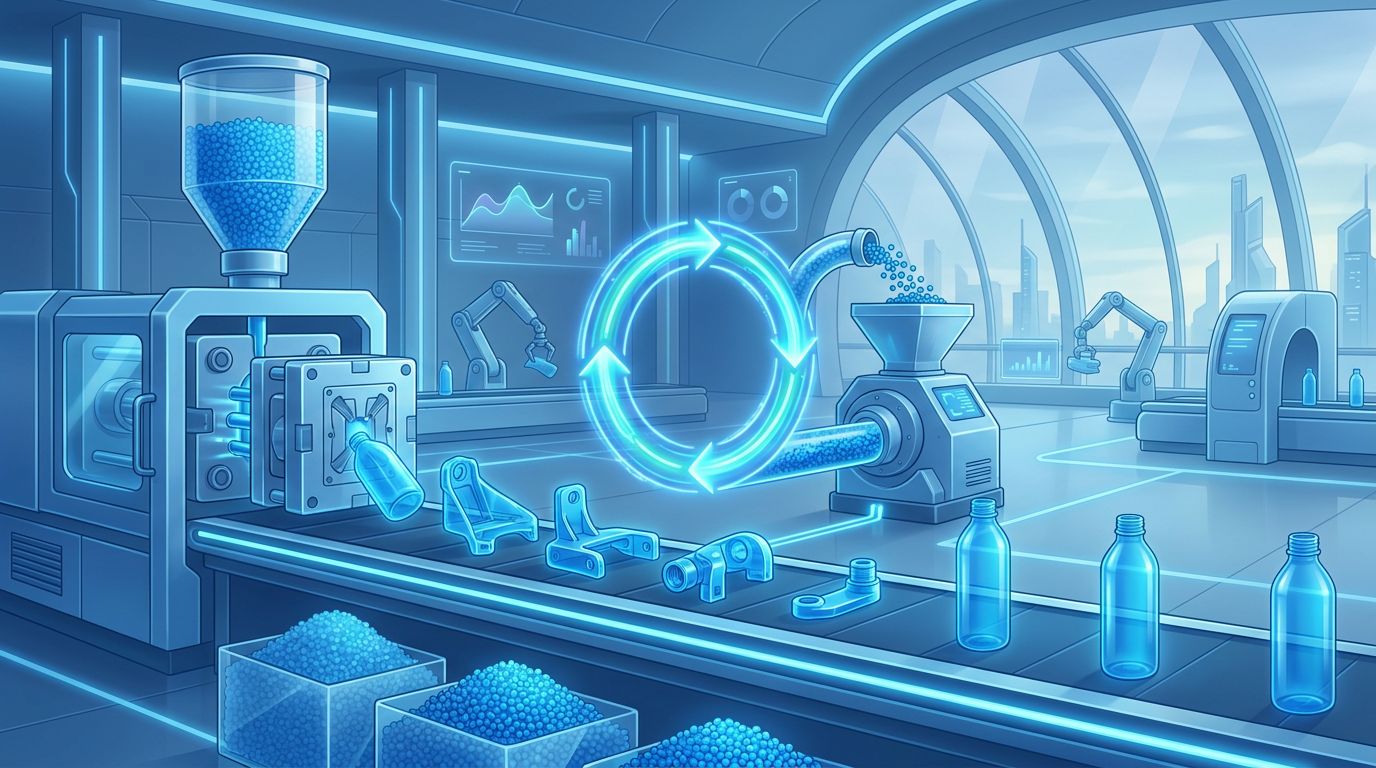
Plastics in a Modern Economy
Plastics play a vital role in Salford's economy, from food packaging used by local producers to pipes and building products used in the city's many construction projects. Healthcare, automotive, electronics and logistics businesses all depend on plastic components and packaging. At the same time, environmental concerns are driving a major transformation toward recycling, reduced waste and sustainable materials.
The North West has a strong plastics manufacturing base, supported by the region's chemical industry and logistics networks. Here are ten plastic manufacturers relevant to Salford businesses.
The Top 10 Plastic Manufacturers
1. Berry Global
Berry Global is one of the world's largest plastic packaging manufacturers, with multiple UK sites producing containers, films and closures for food, healthcare and consumer goods.
2. Polypipe
Polypipe manufactures plastic piping systems for drainage, water management, heating and ventilation, widely used in residential and commercial construction across Salford.
3. Wavin
Wavin produces plastic pipe systems for water, drainage and building services, with solutions designed for sustainable water management.
4. Coveris
Coveris manufactures flexible packaging for food, retail and industrial applications, with a strong focus on recyclable and sustainable solutions.
5. Essentra
Essentra manufactures plastic components such as caps, plugs, fasteners and cable management products, supplying manufacturers across many industries.
6. Amcor
Amcor is a global packaging leader producing flexible and rigid plastic packaging for food, beverage, healthcare and personal care products.
7. Rehau
Rehau manufactures polymer solutions for construction, automotive and industry, including window profiles, underfloor heating and plumbing systems.
8. Plastipak
Plastipak manufactures plastic bottles and containers and is a leader in recycled PET, operating recycling facilities in the UK.
9. Biffa
Biffa operates plastic recycling facilities in the North of England, producing recycled plastic materials that manufacturers use to create new packaging.
10. INEOS
INEOS produces polymers and the raw materials used to make plastics, supplying manufacturers across the UK and Europe.
Plastics and Salford's Industries
Salford's food and drink producers depend on safe, hygienic packaging. Construction projects use plastic pipes, insulation and window systems. Healthcare providers, including Salford Royal, rely on medical-grade plastic products. Logistics businesses use plastic pallets, crates and protective packaging.
Sustainability and Recycling
The UK Plastic Packaging Tax encourages manufacturers to use recycled content. Extended producer responsibility rules are shifting the cost of packaging waste to producers. Deposit return schemes for drinks containers are being introduced. Manufacturers are investing in recyclable mono-material packaging, recycled feedstocks and lightweighting to reduce material use.
Greater Manchester's waste and recycling programmes, along with Salford's own initiatives, are improving collection and recycling rates, increasing the supply of recycled materials.
Choosing a Plastics Supplier
Businesses should consider product quality, compliance with food contact or medical standards, recycled content options and supply reliability. Design support can help create packaging that is both functional and recyclable. Suppliers should provide transparent sustainability data to support environmental reporting.
Innovation in Plastics
Chemical recycling technologies aim to recycle plastics that cannot be processed mechanically. Bio-based plastics made from renewable feedstocks are growing. Advanced manufacturing techniques, including 3D printing, enable custom components and rapid prototyping. Smart packaging with tracking and freshness indicators is emerging.
Industry Trends
Demand for recycled plastics is outpacing supply, driving investment in recycling infrastructure. Retailers are pushing suppliers to reduce plastic use and improve recyclability. Energy costs and raw material prices remain challenges. Collaboration across the value chain is essential to achieving a circular economy.
Conclusion
Plastics remain essential to Salford's economy, but the industry is changing rapidly toward sustainability and circularity. The manufacturers above are leading this transformation, combining innovation with responsible production. Businesses that choose forward-thinking suppliers will be well placed to meet customer expectations and regulatory requirements.
Want your brand featured in front of decision-makers? Publish a guest post or get a link insertion in our guides through AAMAX's guest post and link insertion service.
Helpful Links
 SponsoredAAMAX — Full-Service Digital Agency
Write for Us
Share your expertise with our readers. We welcome guest contributions from industry specialists.
Pitch your idea