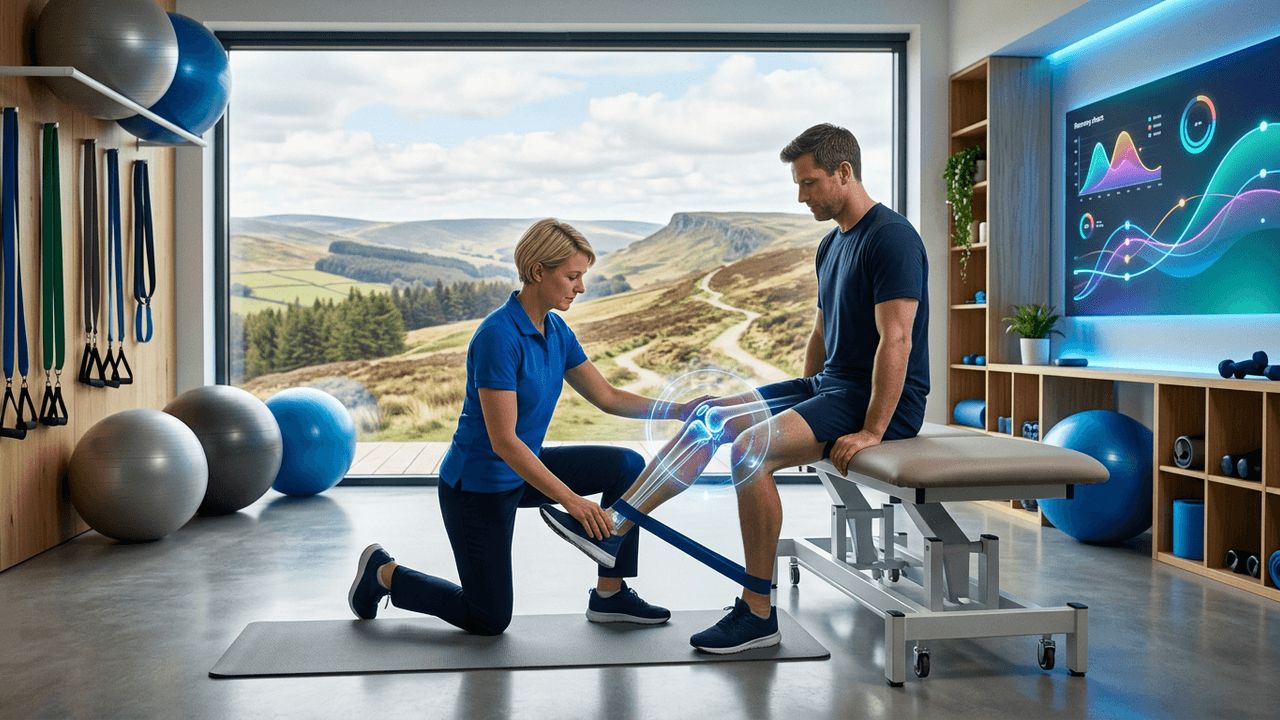
Why Physiotherapy Matters in This Borough
Neath Port Talbot has a particular need for good musculoskeletal care. Generations of heavy industrial work have left a legacy of joint and back problems. A strong sporting culture, particularly rugby, produces its share of injuries across all age groups. An ageing population brings osteoarthritis, falls and post surgical rehabilitation. Meanwhile sedentary office and driving based work creates its own pattern of neck, shoulder and lower back complaints.
Physiotherapy addresses all of these, and the evidence increasingly favours active rehabilitation over rest and passive treatment. Modern practice centres on graded exercise, education and restoring confidence in movement rather than simply applying treatment to a passive patient.
Ten Physiotherapy Centres Serving Neath Port Talbot
1. Neath Musculoskeletal Physiotherapy. A general practice offering assessment and treatment for back pain, neck pain, joint problems and sports injuries, with a strong emphasis on structured exercise programmes and self management education.
2. Port Talbot Sports Injury Clinic. Working extensively with rugby, football and running clients, this clinic covers acute injury management, return to play testing and injury prevention screening for teams and individuals.
3. Neath Port Talbot Hospital Physiotherapy. Hospital based services covering inpatient rehabilitation, post surgical recovery, respiratory physiotherapy and outpatient musculoskeletal clinics.
4. Afan Valley Rehabilitation. Serving valley communities with local clinic access and home visiting for patients unable to travel, an important service given transport limitations in outlying areas.
5. Baglan Neurological Physiotherapy. Specialising in rehabilitation following stroke, brain injury and progressive neurological conditions, focusing on mobility, balance and functional independence.
6. Margam Occupational Physiotherapy. Working with industrial employers on workplace injury management, ergonomic assessment and return to work programmes, reducing both absence duration and recurrence.
7. Cimla Women's Health Physiotherapy. Providing pelvic floor rehabilitation, antenatal and postnatal care, and treatment for continence and pelvic pain conditions that remain underdiscussed but are highly treatable.
8. Skewen Hydrotherapy Centre. Water based rehabilitation where reduced load allows movement that would be too painful on land, particularly valuable for arthritis, post surgical recovery and chronic pain conditions.
9. Coastal Older Adult Physiotherapy. Focused on falls prevention, balance training, strength maintenance and mobility for older residents, with programmes delivered in clinic, community and home settings.
10. Valleys Chronic Pain Service. A multidisciplinary approach to persistent pain combining graded activity, pacing strategies, education about pain mechanisms and psychological support alongside physical rehabilitation.
What Happens in a Physiotherapy Assessment
A first appointment is largely conversation and examination rather than treatment. The physiotherapist will ask detailed questions about how the problem started, what aggravates and eases it, how it affects daily activity, and what you need to get back to.
Physical examination follows, assessing movement range, strength, joint function and how you perform relevant tasks. Special tests may help distinguish between possible causes. The outcome should be a working explanation of the problem in plain language, a plan with clear goals, and an initial set of exercises.
Crucially, a good assessment establishes what success looks like. Returning to a specific job task, walking a certain distance or playing a particular sport is far more useful as a goal than simply reducing pain.
Why Exercise Is the Core Treatment
Hands on techniques such as mobilisation and massage can provide short term relief and make movement easier, but the lasting change comes from exercise. Loading tissue progressively builds capacity, and capacity is what prevents recurrence.
This can feel counterintuitive for patients who expect rest. For most musculoskeletal conditions, prolonged rest weakens tissue and increases sensitivity. The skill of the physiotherapist lies in judging how much load a structure can tolerate and increasing it at the right rate.
Adherence is the single largest determinant of outcome. A programme of three exercises performed consistently beats twelve exercises abandoned after a week. Patients should ask for a realistic programme that fits their actual life.
Understanding Persistent Pain
Pain lasting beyond normal healing time behaves differently from acute injury pain. The nervous system can become more sensitive, producing pain that no longer reflects ongoing tissue damage. Understanding this is genuinely therapeutic, because fear of damage drives avoidance, and avoidance drives deconditioning.
Effective chronic pain management combines graded exposure to feared movements, activity pacing to avoid boom and bust cycles, sleep and stress management, and realistic goal setting. Progress is measured in function regained rather than pain eliminated.
Preventing Injury and Maintaining Function
Prevention advice varies by context but shares common principles. Build strength progressively rather than suddenly increasing activity. Vary posture through the day rather than seeking one perfect position. Prioritise sleep, which affects tissue recovery and pain sensitivity substantially.
For older adults, resistance training and balance work are the most effective interventions for maintaining independence and reducing falls. For manual workers, technique and load management matter more than any back support device.
Final Thoughts
Physiotherapy provision across Neath Port Talbot covers musculoskeletal, neurological, occupational, women's health and chronic pain needs through both health service and private routes. The patients who recover best are those who engage actively with their programme, understand why they are doing each exercise, and treat rehabilitation as something they do rather than something done to them.
Want your brand featured in front of decision-makers? Publish a guest post or get a link insertion in our guides through AAMAX's guest post and link insertion service.
Helpful Links
 SponsoredAAMAX — Full-Service Digital Agency
Write for Us
Share your expertise with our readers. We welcome guest contributions from industry specialists.
Pitch your idea