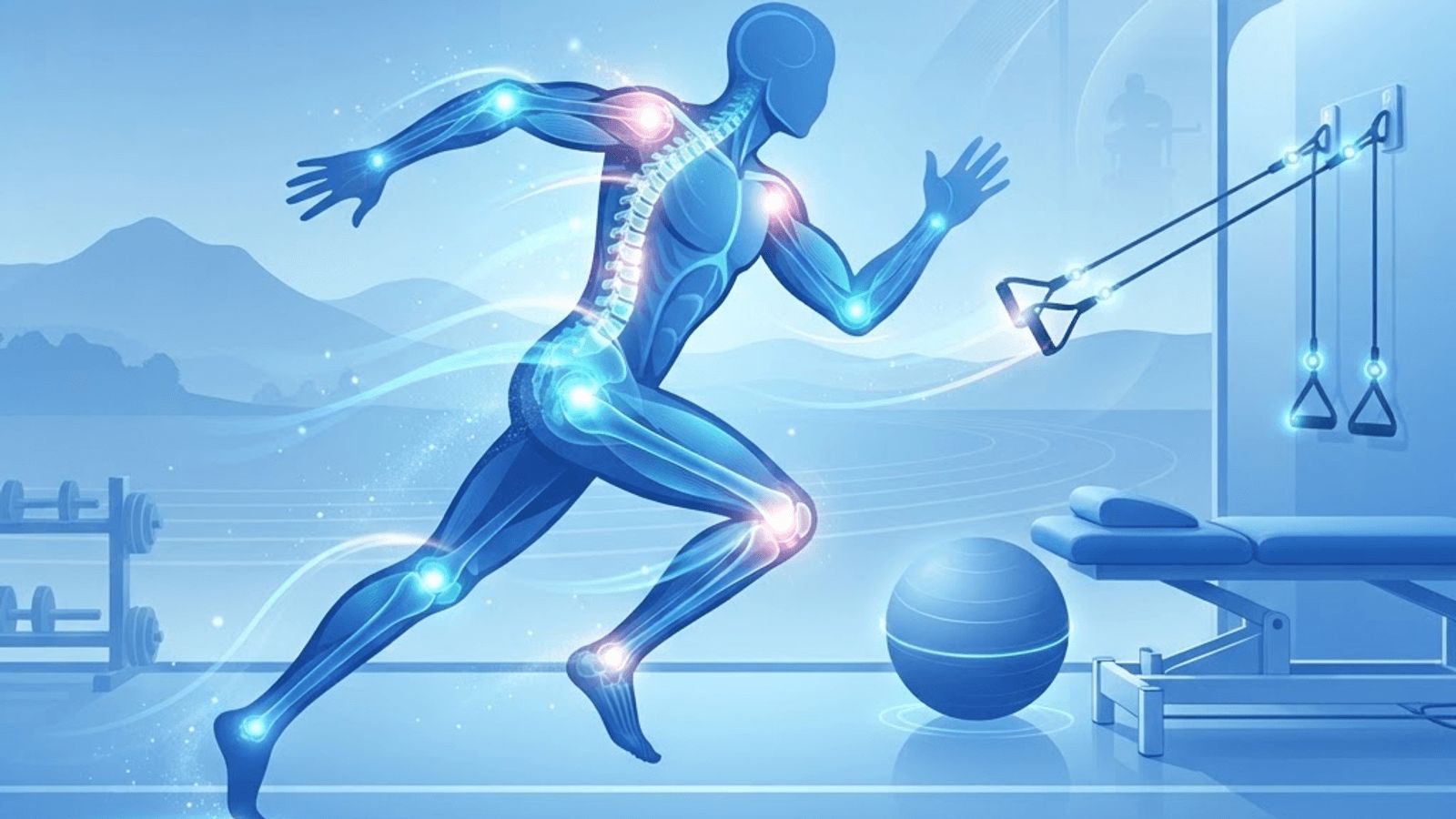
The Role of Physiotherapy in Angus
Physiotherapy occupies an unusually important place in a county like Angus. The local economy involves a great deal of physical work, from agriculture and food processing to engineering, fishing and construction, all of which generate musculoskeletal strain. At the same time the population includes a substantial proportion of older residents for whom maintaining mobility and preventing falls is central to independent living. Add an active culture of golf, running, cycling, football and hillwalking, and demand for skilled rehabilitation is considerable.
Encouragingly, access has improved. First contact physiotherapy in general practice means patients with back, neck, joint or soft tissue problems can often be assessed by a physiotherapist directly rather than waiting for a medical appointment and then a referral. This gets treatment started sooner, which consistently produces better outcomes.
What Physiotherapy Actually Does
The core of physiotherapy is assessment followed by graded, progressive exercise. Manual therapy, electrotherapy and other modalities have their place, but the evidence consistently shows that active treatment, where the patient does the work under expert guidance, produces the most durable results.
Education forms an equally important component. Understanding why pain persists, what movement is safe and what expectations are realistic changes outcomes substantially, particularly in chronic conditions where fear of movement often causes more disability than the underlying problem.
Physiotherapists also work extensively outside musculoskeletal care, in respiratory rehabilitation, neurological recovery after stroke, women's health, and falls prevention for older people.
The Top 10 Physiotherapy Centers in Angus
1. Strathmore Physiotherapy Clinic
Based in Forfar, Strathmore Physiotherapy Clinic is the county's most comprehensive private practice, with a well-equipped rehabilitation gym and clinicians holding advanced musculoskeletal qualifications. Its structured exercise programmes and detailed progress tracking are particularly well regarded.
2. Arbroath Sports Injury Centre
Specialising in athletic injury, this centre works with clubs and individual competitors across the county. Its services cover acute injury management, return-to-sport testing and biomechanical assessment for runners and cyclists.
3. Montrose Rehabilitation Services
Montrose Rehabilitation Services focuses on recovery following surgery, stroke and prolonged illness. Its neurological rehabilitation work is delivered by therapists with specialist training and often continues over extended periods.
4. Carnoustie Golf Physiotherapy
Unsurprisingly for a town synonymous with the sport, this practice specialises in golf-related assessment and injury management, addressing swing mechanics, mobility restrictions and the back, shoulder and elbow problems that golfers commonly develop.
5. Brechin Musculoskeletal Clinic
Serving a large rural catchment, Brechin Musculoskeletal Clinic treats the back, shoulder and joint problems associated with agricultural and manual work. Its clinicians give practical advice on workplace modification as well as treatment.
6. Kirriemuir Movement Therapy
This practice combines physiotherapy with Pilates-based rehabilitation and group exercise classes. The group format offers ongoing support at lower cost, which suits patients managing long-term conditions.
7. Angus Community Physiotherapy
Delivered through health centres and community hospitals, this service provides assessment and treatment close to home, including domiciliary visits for patients unable to travel. It carries a large share of the county's rehabilitation workload.
8. Angus Falls Prevention Programme
Focused on older adults, this programme combines strength and balance training with home hazard assessment and medication review coordination. Falls are a leading cause of loss of independence, and structured prevention has a measurable effect.
9. Monifieth Women's Health Physiotherapy
Providing specialist care for pelvic floor dysfunction, pregnancy-related pain and postnatal recovery, this service addresses conditions that are common, treatable and too often endured in silence.
10. Angus Occupational Physiotherapy
Working with employers on injury prevention, workstation assessment, manual handling training and return-to-work planning, this service helps reduce absence and supports sustainable working for staff recovering from injury.
Choosing a Physiotherapist
Check registration first. Physiotherapists must be registered with the relevant professional regulator, and verifying this is straightforward and worthwhile.
Match the specialism to your problem. Sports injury, neurological rehabilitation and pelvic health each require different training, and a clinician who works mainly in one area may not be the right choice for another.
Ask what the treatment plan involves. A clear explanation of expected sessions, the exercises you will need to do at home and the milestones that indicate progress is a sign of a well-structured approach. Be cautious of open-ended treatment with no defined endpoint.
Consider the facilities. Conditions requiring strength rebuilding benefit substantially from access to a proper rehabilitation gym rather than treatment confined to a couch in a small room.
Trends in Physiotherapy Practice
Exercise prescription apps and video-supported home programmes have become standard, improving adherence by giving patients clear demonstrations rather than a sheet of line drawings.
Remote consultation has proven surprisingly effective for assessment, progression and advice, which matters greatly for patients in rural Angus facing long journeys for routine review appointments.
There is also growing emphasis on strength training across all age groups, including older adults, as evidence accumulates that maintaining muscle mass protects against frailty, falls and loss of independence.
Final Thoughts
Physiotherapy in Angus is well served by a mix of community provision and specialist private clinics covering sport, occupational health, neurological rehabilitation and women's health. The consistent message from all of them is the same: recovery depends largely on what you do between appointments. Choosing a clinician who explains, motivates and progresses you appropriately is therefore the most important decision you will make.
Want your brand featured in front of decision-makers? Publish a guest post or get a link insertion in our guides through AAMAX's guest post and link insertion service.
Helpful Links
 SponsoredAAMAX — Full-Service Digital Agency
Write for Us
Share your expertise with our readers. We welcome guest contributions from industry specialists.
Pitch your idea