Oil and Gas in High Peak
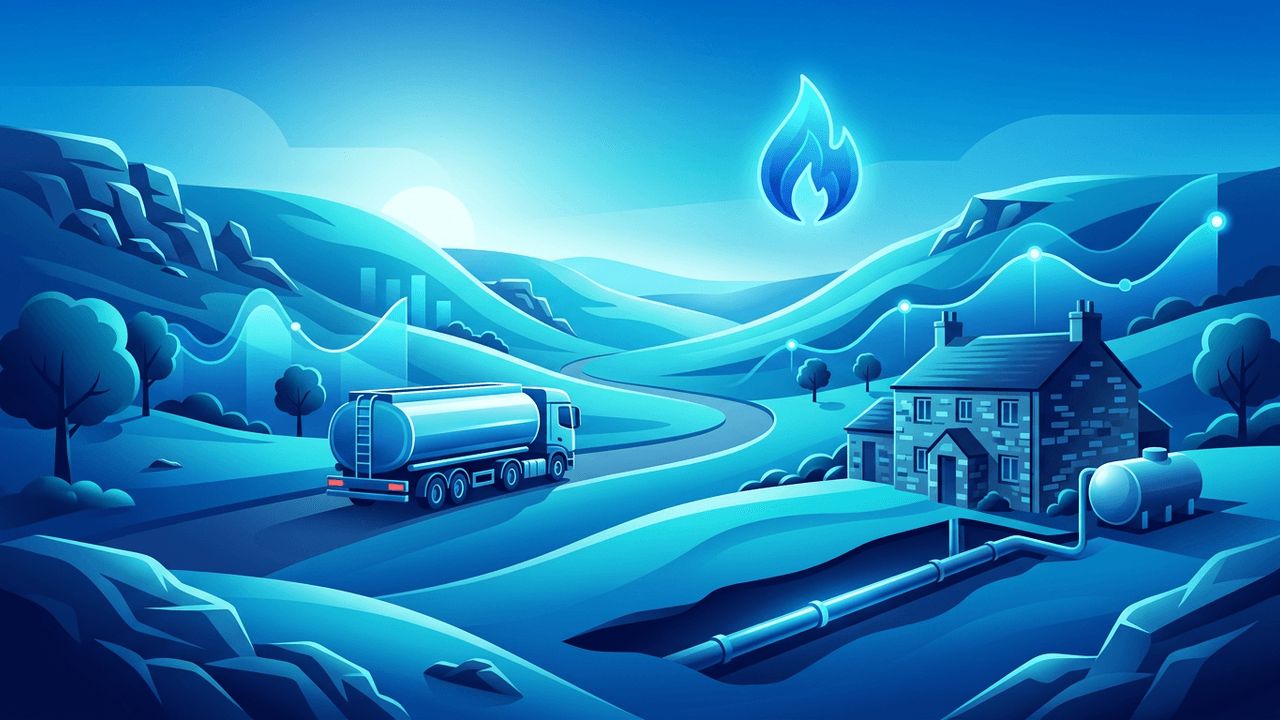
High Peak has no oil fields or gas platforms, but oil and gas still play an important role in daily life. Towns such as Buxton, Glossop and New Mills are largely connected to the mains gas network, while many farms, hamlets and isolated properties in the Hope Valley and on the moorland fringes are off the gas grid. These homes often rely on heating oil or liquefied petroleum gas for warmth and hot water. Local businesses, quarries and hauliers also depend on fuel supplies for vehicles and machinery.
Choosing a reliable supplier matters, especially during harsh Peak District winters when roads can be blocked by snow and deliveries must be planned carefully.
The Top 10 Oil and Gas Companies Serving High Peak
1. Certas Energy
Certas Energy is the UK's largest independent fuel distributor, supplying heating oil, diesel and lubricants to homes, farms and businesses. Its depot network and fleet make it a dependable option for rural Derbyshire customers.
2. Bayford Energy
Bayford is a long-established family-owned fuel distributor in the North of England, supplying domestic heating oil, commercial fuels and fuel cards. It is known for personal service and reliable deliveries.
3. WCF Fuels
WCF Fuels supplies heating oil and agricultural fuels across northern England. Its focus on rural customers makes it a good match for High Peak farming communities.
4. Calor Gas
Calor is the UK's leading LPG supplier, providing bulk tanks and bottled gas to off-grid homes, caravan parks and businesses. It is widely used across the Peak District by hospitality and leisure operators.
5. Flogas
Flogas offers LPG for homes and businesses, as well as natural gas and electricity for commercial customers. Its bulk LPG services are popular for off-grid properties.
6. Cadent Gas
Cadent is Britain's largest gas distribution network, maintaining the pipes that deliver gas to homes and businesses in the region. It also responds to gas emergencies and runs programmes supporting vulnerable customers.
7. National Gas
National Gas owns and operates the high-pressure gas transmission system for Great Britain. It is involved in projects to repurpose the network for hydrogen in the future.
8. Centrica
Centrica, the parent company of British Gas, is active across gas supply, storage and trading. British Gas remains one of the most common gas suppliers to homes in High Peak.
9. Shell
Shell operates forecourts across the region and supplies lubricants and fuels for commercial fleets. It is investing in electric vehicle charging and lower-carbon fuels alongside its traditional business.
10. BP
BP runs a large network of fuel stations and is expanding its BP Pulse electric vehicle charging network. Its fuel cards are widely used by local hauliers and service businesses.
Considerations for Off-Grid Homes
Tank maintenance: Heating oil tanks should be inspected regularly for leaks and damage. Bunded tanks reduce environmental risk, which is especially important near the borough's rivers and reservoirs.
Ordering in advance: Winter weather can delay deliveries on steep, narrow lanes. Keeping tanks topped up before cold spells is wise.
Buying groups: Some villages organise oil buying clubs to secure better prices through bulk orders.
Security: Oil theft is a known rural crime, so tank locks and alarms are worth considering.
The Transition Away from Fossil Fuels
The energy sector is changing quickly. Government policy aims to phase out fossil fuel heating in new homes and encourage heat pumps in existing properties. For off-grid homes, renewable liquid fuels such as HVO are emerging as a lower-carbon alternative that can often be used in existing oil boilers with minor modifications. Bio-LPG is also becoming available. Gas networks are exploring hydrogen blending, while fuel companies are diversifying into electric vehicle charging and renewable fuels.
How to Choose a Fuel Supplier
Compare prices regularly, as heating oil costs fluctuate. Check whether suppliers are members of trade associations such as UKIFDA, which sets standards for safety and service. Ask about minimum order sizes, delivery lead times and payment plans. For LPG, compare contract terms carefully, including tank rental and exit fees.
Frequently Asked Questions
When is the best time to buy heating oil?
Heating oil prices often rise in late autumn and winter as demand increases. Many households order in summer or early autumn when prices may be lower, and joining a local buying group can help secure better rates. Monitoring prices regularly and avoiding emergency orders is the best way to save.
Can my oil boiler run on a greener fuel?
Many modern oil boilers can be converted to run on hydrotreated vegetable oil, a renewable fuel that significantly reduces carbon emissions. Conversion usually involves minor changes to the burner and should be carried out by a qualified engineer.
What should I do if I smell gas?
Leave the property, avoid using electrical switches or naked flames, and contact the national gas emergency service immediately. Network operators provide a free emergency response around the clock.
Conclusion
Oil and gas remain essential for many High Peak households and businesses, particularly in rural areas. The companies above provide reliable supplies, network infrastructure and emergency support, while many are actively investing in lower-carbon alternatives. Planning ahead, maintaining equipment and exploring greener fuels will help residents stay warm and prepared for the energy transition.
Want your brand featured in front of decision-makers? Publish a guest post or get a link insertion in our guides through AAMAX's guest post and link insertion service.
Helpful Links
 SponsoredAAMAX — Full-Service Digital Agency
Write for Us
Share your expertise with our readers. We welcome guest contributions from industry specialists.
Pitch your idea