Two Wheels in West London
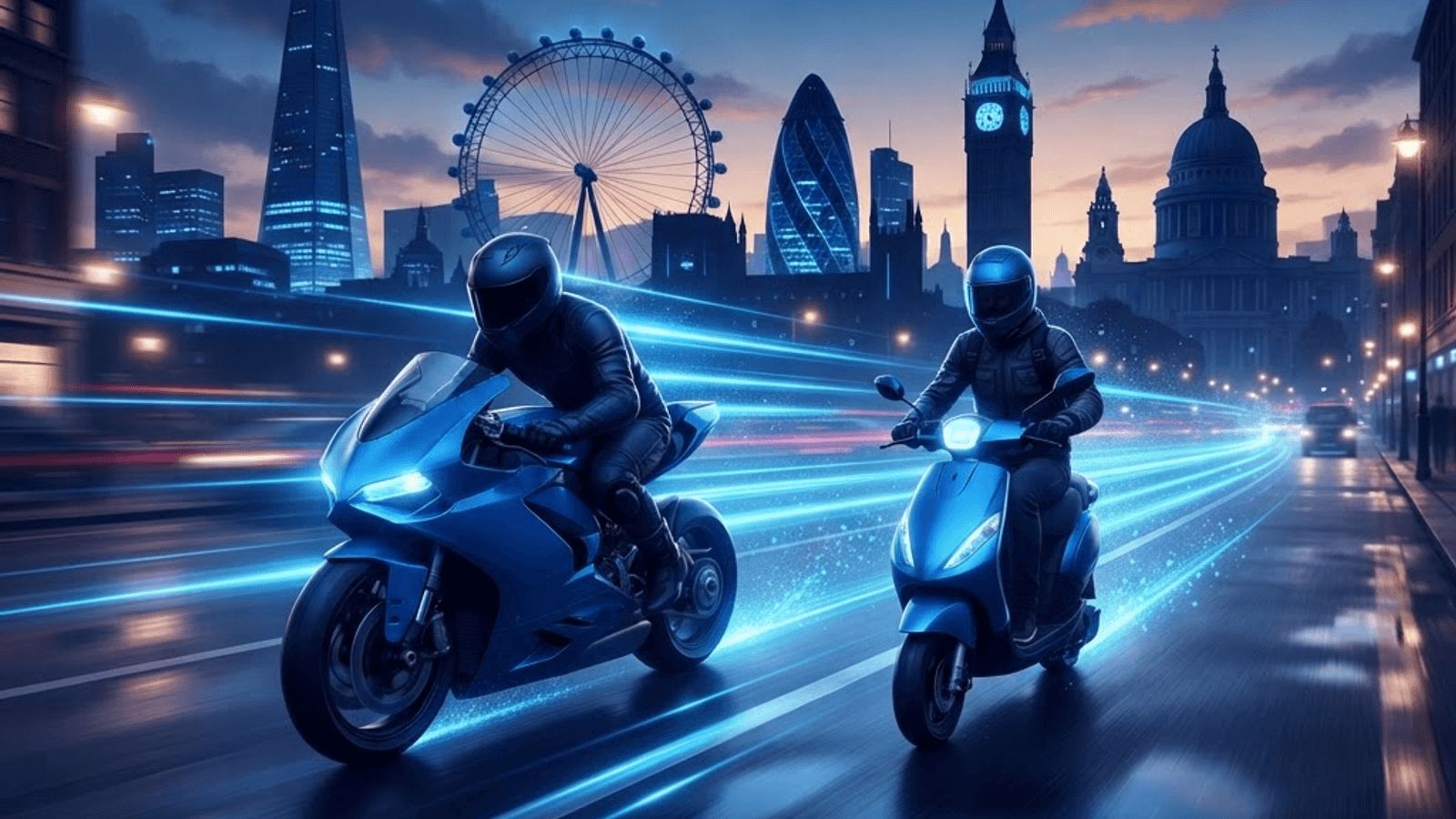
Motorcycles and scooters occupy a valuable niche in Hammersmith and Fulham. Journeys that crawl in car traffic along the A4 or Fulham Palace Road can be completed in a fraction of the time on two wheels. Motorcycles are exempt from the congestion charge, park in dedicated bays across the borough at low or no cost, and consume far less fuel than a car for the same journey.
The rider population here is diverse. Commuters use small-capacity scooters for short trips to stations and offices. Delivery riders form a substantial and highly visible group. Enthusiasts keep larger machines for weekend riding out toward Surrey and the South Downs. Increasingly, electric motorcycles and scooters appeal to riders wanting zero emissions and minimal running costs.
Choosing the Right Type of Machine
Licence category shapes the starting point. A compulsory basic training certificate permits riding a fifty cubic centimetre machine, while progressively larger categories require further testing. Many urban riders find a one hundred and twenty-five cubic centimetre scooter entirely sufficient for borough journeys.
Beyond licensing, the main decision is between scooters, which offer automatic transmission, weather protection and underseat storage, and geared motorcycles, which provide more engagement and greater capability at speed. Adventure and touring machines suit riders who leave the city regularly, while naked roadsters balance urban agility with weekend enjoyment. Electric models excel in stop-start traffic where their instant torque and absence of idling are most advantageous.
The Top 10 Motorcycle Brands for Borough Riders
1. Honda. Honda's reputation for reliability is genuinely exceptional, and its range covers everything from the ubiquitous small commuter scooters to large adventure and sports machines. Low running costs, excellent parts availability and predictable handling make it the most sensible default choice for London riding.
2. Yamaha. Combining strong engineering with distinctive design, Yamaha offers popular urban scooters, versatile middleweight roadsters and highly regarded sports models. Its three-wheeled leaning scooters have found a particular following among commuters wanting extra stability in wet city conditions.
3. BMW Motorrad. Known for build quality, advanced electronics and long-distance comfort, BMW appeals to riders who want premium engineering and safety technology. Its adventure range is iconic, while its smaller roadsters work well as capable, refined city machines.
4. Triumph. A British marque with strong heritage and modern engineering, Triumph produces characterful classic-styled bikes alongside contemporary roadsters and adventure machines. Its distinctive triple-cylinder engines and quality finish attract riders who value individuality over pure practicality.
5. Ducati. The Italian manufacturer combines striking design with high-performance engineering. Its machines are aspirational rather than purely functional, and its more recent roadsters and multi-purpose models are considerably more usable in daily conditions than the brand's sportbike reputation suggests.
6. Kawasaki. Offering strong value across a broad range from small commuters to powerful sports machines, Kawasaki is known for robust engineering and competitive pricing. Its middleweight models are frequently recommended as capable all-rounders for riders progressing from smaller bikes.
7. Suzuki. Suzuki produces dependable, well-engineered motorcycles with a reputation for mechanical durability and reasonable running costs. Its middleweight and adventure models offer practical performance without premium pricing, appealing to pragmatic everyday riders.
8. Vespa. The definitive style scooter, Vespa combines distinctive steel-bodied design with practical urban performance. Its machines hold value well and remain instantly recognisable, making them popular with riders for whom aesthetics matter as much as function.
9. Piaggio. Vespa's parent company produces a wide scooter range including three-wheeled models that offer notably improved stability and braking in wet urban conditions. These have become popular with year-round London commuters and delivery riders.
10. Zero Motorcycles. A pioneer in electric motorcycles, Zero offers silent, zero-emission machines with instant torque and minimal maintenance requirements. For borough riders with charging access, running costs are dramatically lower than petrol equivalents, and the riding experience in traffic is notably relaxed.
Trends in Motorcycling
Electrification is progressing quickly at the smaller end of the market. Electric scooters and light motorcycles now offer entirely adequate range for urban use, and their low running costs are especially compelling for high-mileage delivery riders. Charging infrastructure remains the main constraint for those without off-street parking.
Rider safety technology has advanced considerably. Anti-lock braking is now standard, traction control is widespread even on mid-range machines, and cornering-aware electronics have filtered down from premium models. Airbag vests and improved protective clothing have also become more accessible.
Connectivity has arrived on two wheels. Bluetooth-linked dashboards, turn-by-turn navigation and helmet communication systems are now common, improving both convenience and safety by reducing the temptation to handle a phone while riding.
Practical Advice for Riders in the Borough
Invest in training beyond the legal minimum. Advanced rider courses measurably reduce accident risk and often reduce insurance premiums, and urban riding skills such as observation, positioning and hazard anticipation are learnable rather than innate.
Take security seriously. Motorcycle theft is a real problem in London, so use a ground anchor where possible, a quality chain and disc lock, a tracker and a cover. Park in designated bays, which are generally better observed and often free in the borough.
Buy protective equipment properly. A well-fitting helmet meeting current standards, armoured jacket and trousers, gloves and boots are not optional in urban riding, where low-speed falls are common. Finally, budget realistically for insurance, which in inner London postcodes is significantly higher than the national average, and obtain quotations before committing to a particular machine.
Final Thoughts
Motorcycle brands serving Hammersmith and Fulham riders cover every requirement, from Honda's unmatched dependability and Vespa's urban style to BMW's technology and Zero's electric silence. In a borough where traffic congestion is constant and parking is scarce, two wheels remain one of the most efficient ways to travel. Choosing the right brand and machine size for your actual journeys, and investing properly in training and protective equipment, makes the difference between a practical asset and an expensive frustration.
Want your brand featured in front of decision-makers? Publish a guest post or get a link insertion in our guides through AAMAX's guest post and link insertion service.
Helpful Links
 SponsoredAAMAX — Full-Service Digital Agency
Write for Us
Share your expertise with our readers. We welcome guest contributions from industry specialists.
Pitch your idea