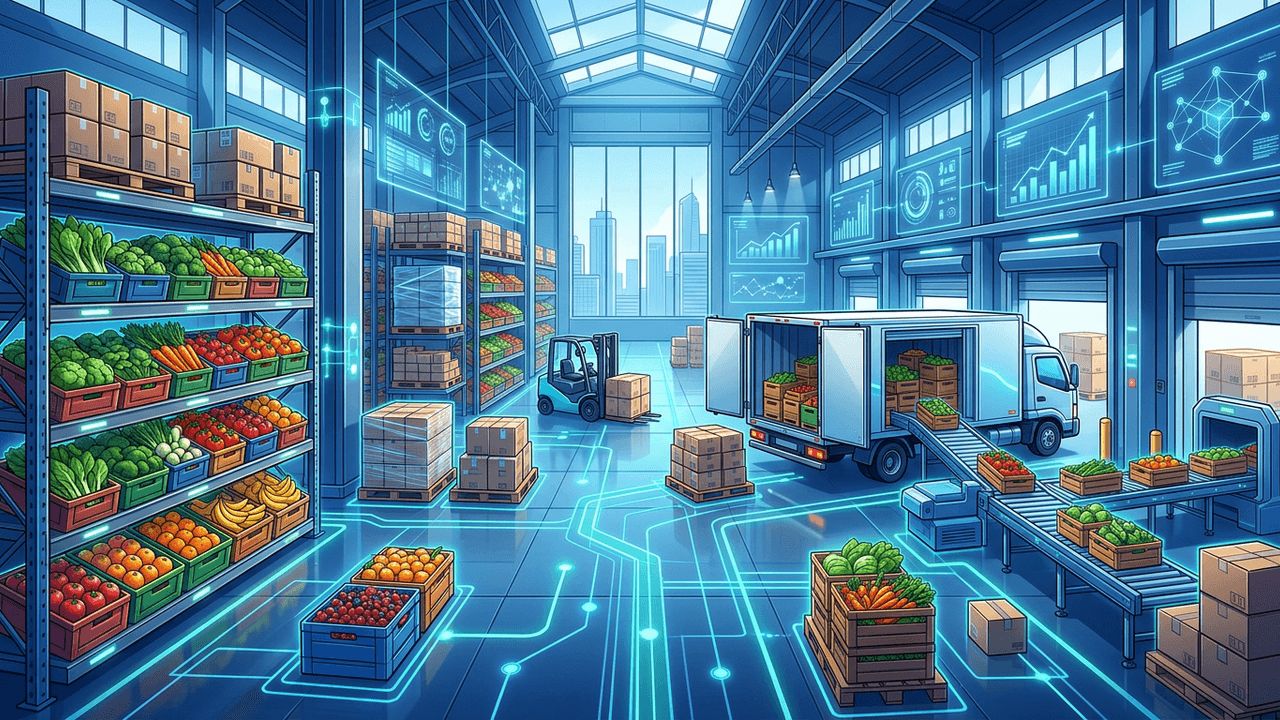
Feeding Southend-on-Sea: The Food Wholesale Sector
Southend-on-Sea's hospitality economy is unusually visible. The seafront, the pier approach, the Old Leigh waterfront, the High Street and the town's residential neighbourhoods together support a dense concentration of restaurants, cafes, pubs, takeaways, hotels, guest houses, seasonal kiosks and convenience stores. Every one of them depends on food wholesalers, the businesses that buy from producers, importers and manufacturers and supply catering and retail operators in the quantities and formats they need.
The sector divides into recognisable specialisms. Broadline catering wholesalers supply a wide mix of ambient, chilled and frozen products, effectively acting as a single-source supplier for a busy kitchen. Fresh produce suppliers deliver fruit and vegetables, often daily and often sourced through wholesale markets. Meat and poultry wholesalers and butchers supply cuts prepared to a kitchen's specification. Fish and seafood suppliers hold a particular place locally, given Leigh-on-Sea's fishing tradition and continuing cockle industry. Dairy and bakery distributors handle short shelf-life goods on early morning rounds. Frozen food specialists supply chips, proteins, desserts and prepared items. Drinks wholesalers cover soft drinks, beers, wines and spirits. Cash and carry operators allow buyers to collect stock without minimum order commitments, which suits small independents and seasonal traders.
What Wholesalers Provide Beyond Products
The obvious value is aggregation and delivery: one order, one invoice, one drop instead of dozens of separate supplier relationships. For a kitchen operating on tight margins and tighter time, that consolidation is significant.
Less obvious but equally important is the technical and commercial support. Established wholesalers provide allergen information, product specifications, nutritional data, provenance details and traceability records. They advise on menu costing, portion control, seasonal availability and substitutions when supply is disrupted. Many supply equipment, packaging, disposables, cleaning chemicals and hygiene consumables alongside food, and some offer menu development support, staff training resources and stock management tools.
Cold chain management is a defining capability. Chilled and frozen goods must be held and transported within strict temperature ranges, with monitoring and records to prove compliance. A wholesaler's investment in refrigerated storage, temperature-controlled vehicles and monitoring systems directly protects the safety of what a business serves.
Who Buys From Food Wholesalers Locally
Independent restaurants, cafes and takeaways are the largest group, spanning a wide range of cuisines. Their needs vary from specialist ingredients to reliable core commodities.
Hotels, guest houses and event venues require broader ranges and consistent quality across breakfast, dining and function catering, with the ability to scale up quickly for weddings and conferences.
Pubs and bars combine drinks purchasing with food menus, often relying on frozen and prepared lines for kitchen consistency during unpredictable trade.
Convenience stores, delicatessens and independent grocers buy retail-packed goods, often through cash and carry, with pricing and pack format driving decisions.
Institutional caterers serving schools, care homes and healthcare settings operate under nutritional standards and strict allergen and dietary requirements, needing suppliers with robust documentation.
Seasonal seafront traders and mobile caterers present a distinctive local pattern, with demand rising sharply in summer and during events, requiring suppliers able to flex volumes rapidly.
Trends Shaping Food Wholesale
Local and traceable sourcing has become a genuine commercial driver. Essex farmland, local bakeries and the estuary fishing trade allow Southend operators to build menus around regional provenance, and wholesalers who can name farms, fishing grounds and producers help them tell that story credibly.
Plant-based and free-from ranges have expanded from a small niche to a standard expectation. Vegan proteins, dairy alternatives, gluten-free bases and allergen-managed products now form a substantial part of catalogues, and rigorous allergen segregation in storage and delivery has become essential.
Waste reduction and sustainability have moved to the centre of purchasing decisions. Buyers examine packaging materials, delivery frequency and order accuracy to cut waste. Wholesalers respond with recyclable packaging, returnable crates, consolidated delivery schedules and smaller pack formats that reduce spoilage.
Cost volatility remains a persistent challenge. Energy, transport, labour and commodity prices have all been unstable, and forward pricing, transparent price change communication and honest advice on substitutions are qualities operators value highly.
Technology adoption has accelerated. Online ordering portals, mobile apps, live stock availability, order templates, digital invoicing and integration with kitchen stock systems reduce administration and errors. Route optimisation and telematics improve delivery reliability.
Food Safety, Standards and Documentation
Food wholesalers operate under food safety legislation requiring HACCP-based controls, registration or approval of premises, temperature control, traceability and accurate allergen information. Many hold third-party certification to recognised food safety standards, which is often a prerequisite for supplying larger or institutional customers.
Buyers should expect a supplier to provide full product specifications, allergen declarations, batch traceability, temperature records on delivery, and prompt notification of product withdrawals or recalls. Delivery vehicles should be clean and temperature-controlled, with drivers trained in handling and documentation. These are not optional extras; they are the foundation of safe food service and of a business's own due diligence defence.
How to Choose a Food Wholesaler
Start with range fit. Assess how much of your order list a supplier can genuinely cover at the quality level you need. Consolidating with a strong broadline supplier and supplementing with one or two specialists is a common and effective structure.
Test quality consistently, not once. Trial deliveries over several weeks to see whether standards, weights and specifications hold up beyond an initial impression.
Scrutinise delivery arrangements. Order cut-off times, delivery days and windows, minimum order values, substitution policy and the handling of shortages all affect daily kitchen operations. Coastal and town centre access restrictions can also matter.
Review pricing structure honestly. Compare like-for-like on pack size and specification rather than headline unit price, and clarify how and when prices change.
Check documentation and support before committing. Ask for specifications and allergen data, and see how quickly and completely they arrive. A supplier that struggles to produce paperwork will struggle when a recall or inspection occurs.
Assess responsiveness. Missed items, quality issues and urgent additions are inevitable. What separates good suppliers is how quickly and fairly they resolve them.
Conclusion
Food wholesalers are the invisible infrastructure behind Southend-on-Sea's restaurants, cafes, hotels, takeaways and shops. The sector is adapting to demands for provenance, plant-based ranges, allergen rigour, sustainability and digital convenience while managing persistent cost pressure. Operators who choose suppliers on range fit, consistent quality, delivery reliability, documentation strength and genuine responsiveness will run smoother kitchens, protect their customers and defend their margins more effectively than those who buy on price alone.
Want your brand featured in front of decision-makers? Publish a guest post or get a link insertion in our guides through AAMAX's guest post and link insertion service.
Helpful Links
 SponsoredAAMAX — Full-Service Digital Agency
Write for Us
Share your expertise with our readers. We welcome guest contributions from industry specialists.
Pitch your idea