The Role of Food Wholesalers in Bexley's Hospitality Economy
Every busy kitchen in the borough sits at the end of a supply chain that most diners never see. Bexley's food wholesalers serve independent restaurants, takeaways, cafes, pubs, school kitchens, care homes, convenience stores and event caterers, and the quality of that supply relationship shapes menus, margins and reputations. A late delivery on a Friday afternoon or a temperature failure in transit can undo weeks of careful trading.
The borough is well positioned for this work. Industrial and cold storage units around Erith, Belvedere and Crayford give suppliers room for chilled and frozen capacity, while road access allows early morning delivery rounds across South East London and into Kent. Many operators run overnight picking and pre-dawn delivery schedules so that fresh stock arrives before service preparation begins.
What Defines a Reliable Food Supplier
Food safety compliance is the non-negotiable starting point. Buyers should expect current food hygiene certification, documented HACCP procedures, temperature-monitored vehicles and full traceability from source to delivery. Allergen information must be accurate and available in writing, because a caterer's legal obligations depend on the data their supplier provides.
Beyond compliance, consistency is what professional kitchens value most. A chef building a dish around a specific cut, size or grade needs that specification to arrive unchanged week after week. Substitution policies matter too: a supplier who quietly swaps a product without notice creates problems that surface only in front of customers. Delivery windows, minimum order values and out-of-hours contact routes complete the practical assessment.
1. Bexley Fresh Produce Market Supply
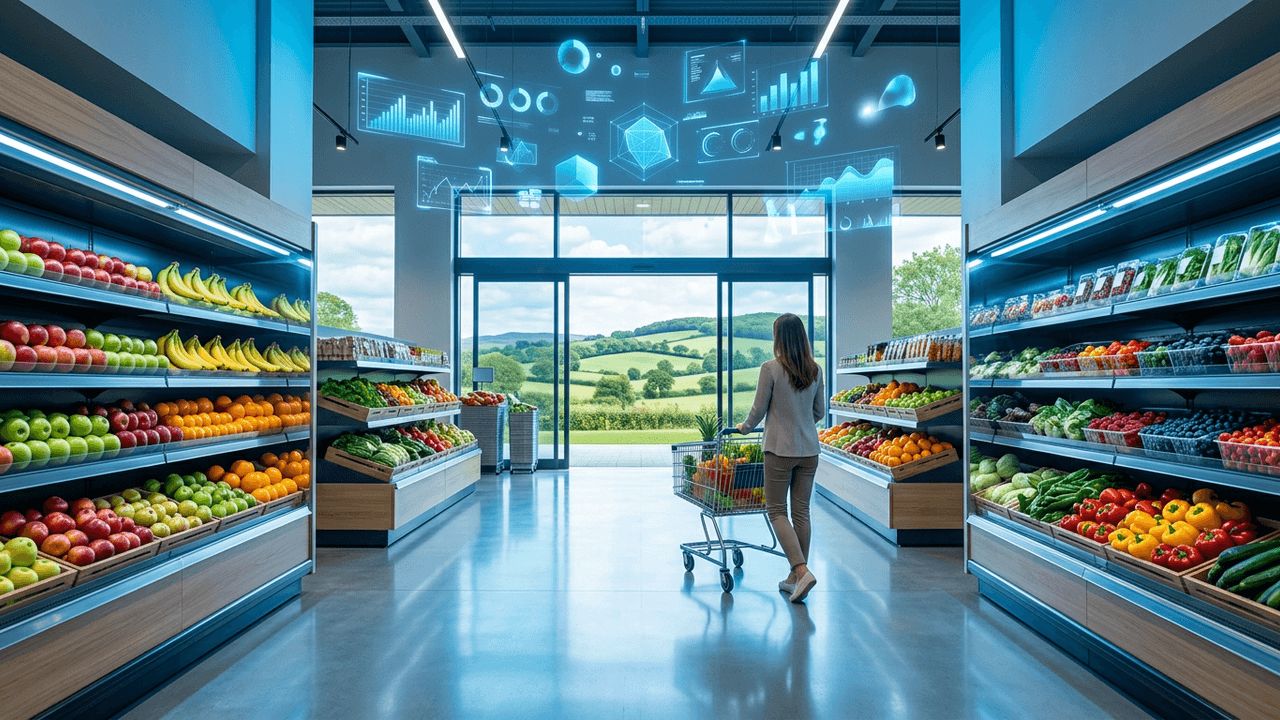
Focused on fruit and vegetables, Bexley Fresh Produce Market Supply operates on early market buying cycles, delivering to kitchens before morning prep. The catalogue moves with the seasons rather than holding a fixed year-round list, which means better quality and better prices when produce is at its peak. Grading is clearly specified, letting chefs distinguish between presentation-grade items and produce destined for stock and sauces.
2. Erith Catering Supplies
A broad-line catering wholesaler, Erith Catering Supplies covers dry goods, oils, canned lines, condiments, disposables and cleaning chemicals in one order. For small operators, that consolidation is genuinely valuable: fewer deliveries, fewer invoices and a single point of contact. The company also stocks packaging suited to takeaway and delivery trade, which has grown substantially across the borough.
3. Crayford Meat and Poultry Wholesale
Butchery expertise separates a meat wholesaler from a general distributor. Crayford Meat and Poultry Wholesale offers cutting to specification, supplying consistent portion weights for pubs and restaurants that need predictable plate costs. Full traceability to farm or abattoir is standard, and the team advises on alternative cuts when a preferred line becomes expensive or scarce.
4. Thames Seafood Distributors
Fish demands the shortest and coldest supply chain of any category. Thames Seafood Distributors works on daily landings and rapid dispatch, supplying whole fish, filleted portions, shellfish and frozen-at-sea lines. Sustainability certification and catch method information are provided, which matters increasingly to restaurants whose customers ask where their fish came from.
5. Belvedere Frozen Foods
Frozen supply underpins consistency and waste control in busy kitchens. Belvedere Frozen Foods carries vegetables, chips, pastry, desserts, prepared bases and ice cream, delivered in temperature-controlled vehicles with recorded transit data. Its case-size flexibility suits smaller cafes that cannot absorb full pallet quantities but still want frozen reliability.
6. Sidcup World Foods Wholesale
Bexley's diverse population supports a correspondingly diverse restaurant scene, and Sidcup World Foods Wholesale supplies the ingredients that make it possible. Spices, rice varieties, pulses, specialist sauces, noodles and regional staples span South Asian, East Asian, Middle Eastern, African and Caribbean cuisines. Authenticity of sourcing is the differentiator, since substitute ingredients rarely deliver the intended result.
7. Slade Green Bakery Ingredients
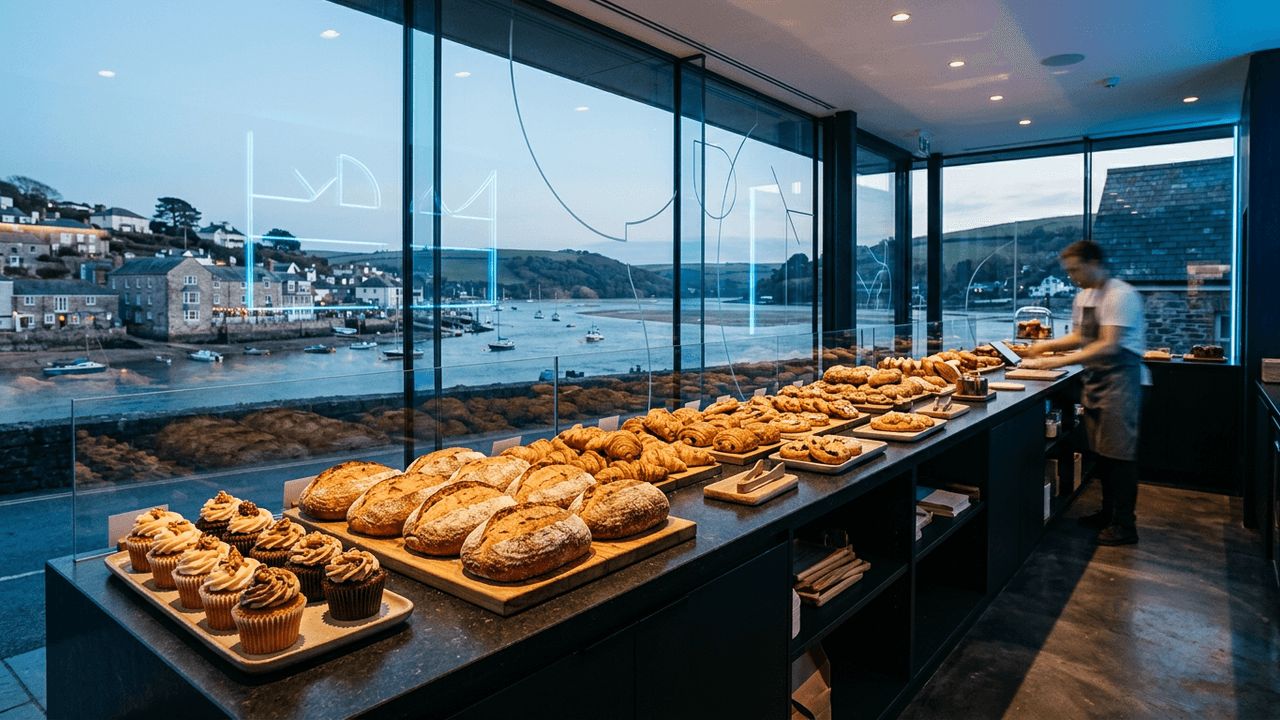
Baking is chemistry as much as craft, and Slade Green Bakery Ingredients supplies flours, yeasts, improvers, chocolate, fillings, glazes and decorative items to bakeries, patisseries and dessert kitchens. Technical support on hydration, proving and shelf life is available, which helps smaller producers troubleshoot problems without expensive trial and error.
8. Kent Gateway Beverage Wholesale
Drinks carry strong margins and their own logistical demands. Kent Gateway Beverage Wholesale supplies soft drinks, juices, coffee, tea, syrups and mixers to cafes, pubs and offices, alongside equipment support for coffee service. Its willingness to supply mixed pallets across categories helps venues avoid tying up cash in single-line bulk purchases.
9. Northumberland Heath Dairy and Chilled
Chilled distribution is unforgiving, and Northumberland Heath Dairy and Chilled has built its operation around short, reliable delivery rounds. Milk, cream, butter, cheese, yoghurt and chilled prepared items arrive on consistent early schedules. Shelf-life management is handled carefully, with clear date guarantees on delivery rather than the minimum acceptable remaining life.
10. Bexley Organic and Local Food Supply
Responding to demand for provenance, Bexley Organic and Local Food Supply concentrates on certified organic and regionally sourced products, including Kent-grown produce, free-range eggs, artisan cheeses and small-batch preserves. Suppliers are named rather than anonymised, allowing restaurants to reference growers and producers on their menus with confidence.
Trends Shaping Food Wholesale
Cost volatility has been the dominant theme, driven by energy, labour and transport pressures. Wholesalers have responded with more transparent pricing structures and menu engineering advice, helping kitchens redesign dishes around ingredients that hold value. Waste reduction is closely linked, with suppliers offering smaller pack formats and more frequent smaller deliveries rather than encouraging over-ordering.
Traceability technology is advancing quickly. Digital records now track produce from field to kitchen, improving recall speed and giving caterers documentary evidence for their own compliance files. Plant-based and free-from ranges have also matured from niche additions to permanent catalogue categories, reflecting sustained rather than fashionable demand.
Choosing a Food Wholesaler
Begin with your delivery reality. If your kitchen has no early morning staffing, a supplier with a five o'clock delivery slot is a poor match regardless of price. Compare total cost, including delivery charges, minimum order penalties and the credit terms offered, rather than headline unit prices. Trial a supplier during a normal busy week rather than a quiet one, and note how they communicate shortages. A supplier who phones about a missing line before delivery is far more useful than one who simply leaves it out of the crate.
Final Thoughts
The strength of Bexley's food wholesale sector lies in its coverage. Fresh produce, butchery, seafood, frozen, dairy, bakery, world foods, drinks and organic lines are all available locally, often with next-day or overnight delivery. For operators, the practical strategy is usually a small core of specialists rather than a single generalist, combining category expertise with the reliability that daily service demands.
Want your brand featured in front of decision-makers? Publish a guest post or get a link insertion in our guides through AAMAX's guest post and link insertion service.
Helpful Links
 SponsoredAAMAX — Full-Service Digital Agency
Write for Us
Share your expertise with our readers. We welcome guest contributions from industry specialists.
Pitch your idea