Fisheries in a Landlocked County
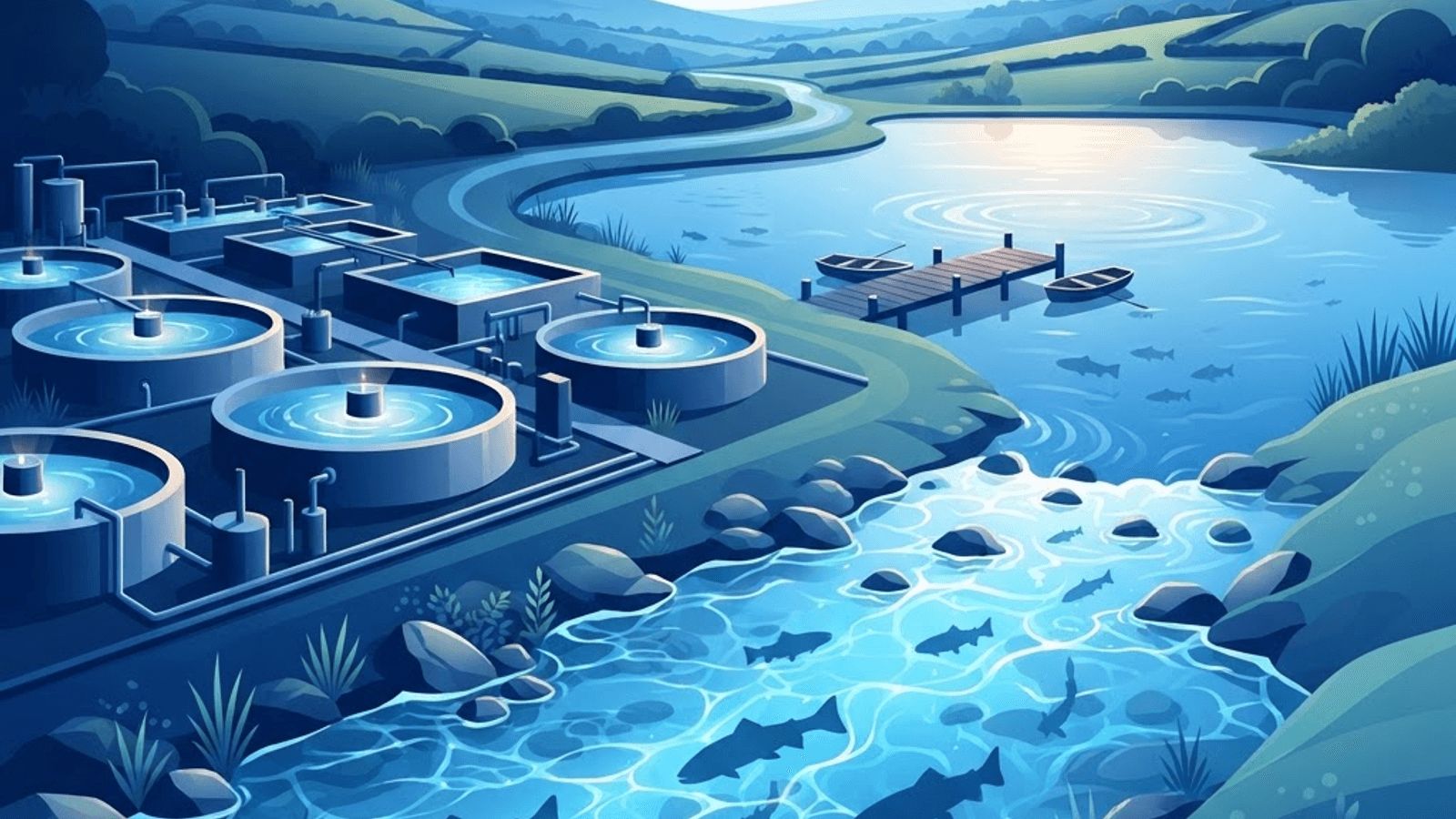
Herefordshire has no coastline, yet water defines it. The River Wye, one of Britain's most celebrated rivers, runs through the county alongside the Lugg, Arrow, Frome and Monnow, while spring-fed lakes and former gravel pits dot the landscape. Together they support a fisheries sector that combines commercial aquaculture, sport fisheries, conservation hatcheries, fish wholesale and a strong angling tourism economy.
The Wye has historically been legendary for salmon, and although runs are much reduced from their twentieth century peak, the river remains internationally known for barbel, chub, pike and grayling, as well as ongoing salmon restoration work. Meanwhile still-water trout and coarse fisheries have grown steadily, offering accessible angling that supports rural diversification for farms and estates. Trout farming and specialist fish supply complete a sector that is far more substantial than the county's geography suggests.
The Top 10 Fishery Companies in Herefordshire
1. Wye and Usk Foundation, Herefordshire
Although a conservation organisation rather than a commercial fishery, the Wye and Usk Foundation is arguably the most influential fisheries body in the county. Its habitat restoration, barrier removal, liming, riparian fencing and water quality monitoring work underpins the health of the entire catchment, and its fishing passport scheme opens access to river beats for visiting anglers.
2. Dore Valley Trout Farm, Golden Valley
Producing rainbow and brown trout from spring-fed raceways, this style of Herefordshire trout farm supplies stock fish for still-water fisheries and table trout for smokehouses, farm shops and restaurants. Cold, clean water and low stocking densities support strong fish health, and on-site sales of fresh and smoked trout add value directly.
3. Herefordshire Fisheries Management
A consultancy and stocking business advising landowners on lake design, aeration, weed control, fish health, netting surveys and licensing. Its work has enabled many farm diversification projects, converting redundant ponds and gravel workings into productive coarse fisheries with sustainable stock levels and proper biosecurity.
4. Lugg Valley Coarse Fishery
Representative of the county's day-ticket coarse fisheries, businesses of this type manage stocked lakes for carp, tench, bream, roach and perch, with accessible platforms, on-site facilities and match bookings. Well-run fisheries here emphasise fish welfare, unhooking equipment, biosecurity between waters and controlled stocking rather than maximum fish numbers.
5. Wye Salmon Fisheries and Beat Management
Managing historic salmon and sea trout beats along the Wye, these fishery businesses combine letting with conservation, operating catch and release policies, recording rod returns and participating in restoration programmes. Their long-term value depends entirely on the river's recovery, which aligns commercial and environmental interests closely.
6. Ross-on-Wye Angling Supplies and Fishery Services
Serving anglers and fishery owners, this business supplies tackle, bait, permits and local knowledge, and provides fishery maintenance services. Its role in the visitor economy is significant, since angling tourism brings substantial spending into rural pubs, accommodation and shops across the south of the county.
7. Marches Aquaculture and Hatchery Services
Operating hatchery and fingerling rearing facilities, this business supplies young fish for restocking and research, and offers advice on broodstock, egg incubation and water quality management. Hatchery capability is essential to both commercial aquaculture and native species restoration programmes.
8. Bromyard Lake and Water Management
Specialising in the physical side of fisheries, this company undertakes lake construction, desilting, aeration installation, bank stabilisation, weed and algae management and inlet works. Sediment and nutrient issues affect Herefordshire waters significantly, and mechanical and biological remediation are increasingly required.
9. Herefordshire Fresh Fish Wholesale, Hereford
Supplying restaurants, pubs, farm shops and fishmongers with fresh and frozen fish and shellfish, this wholesaler brings coastal landings inland via refrigerated distribution, and also handles locally farmed trout. Sustainability certification, species advice and daily market information help chefs build menus around genuinely available fish.
10. Kington Smokehouse and Fish Processing
Adding value to local and imported fish, this processor produces cold and hot smoked trout, salmon, pâtés and cured products for retail and foodservice. Small-batch smoking over local hardwoods gives a distinctive regional product, and food safety controls including listeria management and chilled chain discipline are central to operations.
River Health and the Wye Question
The condition of the Wye is the single most important issue facing Herefordshire fisheries. Elevated phosphate levels, algal blooms, sediment loading and warming summer water temperatures have affected invertebrate life, salmon spawning success and general fish health. Contributing factors include agricultural nutrient runoff, particularly from intensive livestock, sewage discharges, road runoff and historic river modification.
The response is broad. Nutrient management planning and slurry infrastructure investment on farms, wetland creation, riparian tree planting to shade and cool water, weir and barrier removal to restore fish passage, and extensive citizen science monitoring are all underway. Fisheries businesses have become important advocates precisely because their livelihoods depend on outcomes rather than intentions.
Responsible Aquaculture and Fishery Practice
Commercial fish farming in the county operates under environmental permits covering abstraction, discharge and stocking, plus fish health regulations governing movements and disease notification. Best practice includes conservative stocking densities, settlement of solids from raceways, screening to prevent escapes, biosecurity to limit disease and invasive species transfer, and careful attention to dissolved oxygen during hot weather.
For still-water fisheries, biosecurity is equally critical. Disinfection of nets and mats, controls on live bait transfer, quarantine of introduced fish and vigilance against invasive species such as signal crayfish and floating pennywort protect both individual waters and the wider catchment.
Choosing a Fishery for Sport or Supply
Anglers should match water to ambition. Beginners and families are best served by well-stocked day-ticket coarse lakes with easy access and facilities. Specimen hunters look for lower stocking density and larger average size. River fishing on the Wye rewards mobility and local knowledge, and permit schemes make access straightforward. Always check rules on barbless hooks, keepnets, night fishing and bait, which vary considerably.
Buyers of fish for the table should ask about source, method, certification and chilled chain, and should discuss seasonality rather than fixing a menu around a species that will be scarce in three months. For fishery owners buying stock, insist on health certification and quarantine protocols, since introducing disease can destroy years of work in a single delivery.
Conclusion
Herefordshire's fishery companies span conservation, aquaculture, sport, lake management, wholesale and smoking, all built around water that is both the county's greatest asset and its most pressing environmental challenge. Supporting well-managed fisheries and river restoration is, increasingly, the same thing.
Want your brand featured in front of decision-makers? Publish a guest post or get a link insertion in our guides through AAMAX's guest post and link insertion service.
Helpful Links
 SponsoredAAMAX — Full-Service Digital Agency
Write for Us
Share your expertise with our readers. We welcome guest contributions from industry specialists.
Pitch your idea