Farming in the Wyre Forest Landscape
The Wyre Forest district is one of the most scenic farming areas in the West Midlands. The ancient woodland of the Wyre Forest National Nature Reserve is surrounded by pasture, traditional orchards, arable land and mixed holdings stretching from the Severn Valley to the hills around Far Forest and Rock. This varied landscape supports livestock, fruit, vegetables, poultry and forestry.
Local farms are increasingly diversifying, selling direct to consumers through farm shops, box schemes and markets, while adopting regenerative and nature-friendly practices that protect soil, water and wildlife.
How We Selected These Farms
We considered produce quality, sustainability practices, community engagement, diversification and reputation. The list includes livestock farms, mixed holdings, farm shops and specialist producers across the district.
The Top 10 Farming Companies in Wyre Forest
1. Haye Farm
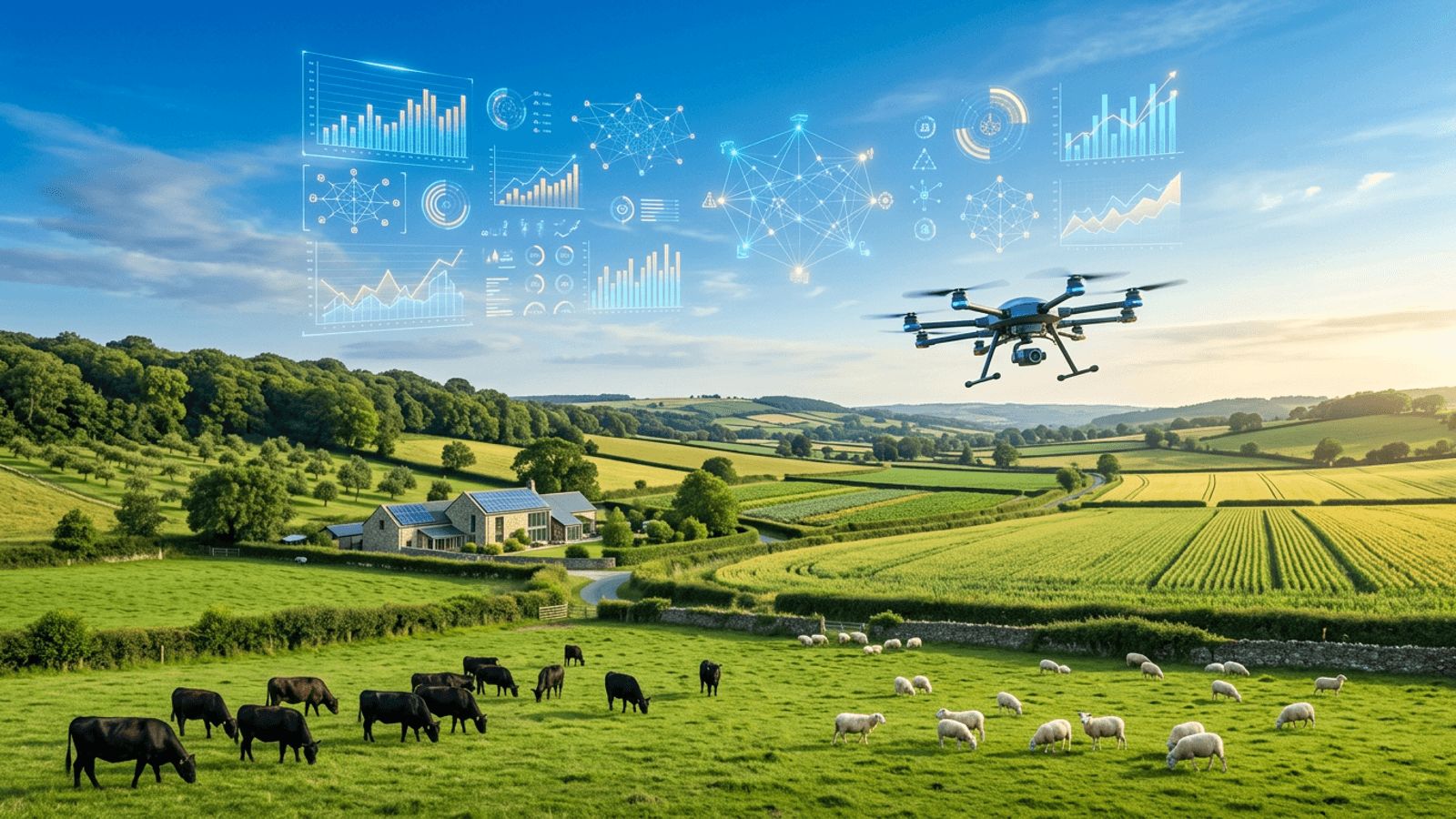
Haye Farm in Ribbesford near Bewdley operates a regenerative system with pasture-raised Dexter cattle and sheep, a no-dig market garden and traditional orchards producing apples, pears, plums and cherries. Its farm shop connects customers directly with food grown in harmony with nature.
2. Forest Pig Charcuterie
Based at Bell Farm in Far Forest, Forest Pig Charcuterie specialises in woodland-reared, free-range pork and handcrafted salami. Its artisan charcuterie has earned acclaim, showing how Wyre Forest farming can produce premium, distinctive foods.
3. Carters Turkeys
Carters Turkeys at Yarrons Farm in Far Forest is a poultry farmer known for festive turkeys. Locally reared birds offer freshness and traceability that many families look for at Christmas.
4. AV Agri Ltd
AV Agri operates from Abberley View Farm in Far Forest and is registered for mixed farming. Mixed farms that combine crops and livestock contribute to resilient local food production and a varied rural landscape.
5. Michael Robson (Livestock) Ltd
Michael Robson operates from Lower Kingsford Farm in Wolverley, focusing on livestock. Livestock farming remains central to the local rural economy, supplying meat to regional markets.
6. Bewdley Farm Shop
Bewdley Farm Shop sells fresh fruit, vegetables and local goods, with free home delivery within a ten-mile radius. Its service links local growers with households across the district.
7. Rowberry's Farm Shop and Butchers
Rowberry's in Chaddesley Corbett provides local produce and butchery. Farm shop butchers give customers confidence in provenance and animal welfare while supporting local livestock farmers.
8. Woodhouse Farm
Woodhouse Farm near Chaddesley Corbett is a mixed farming operation. Such family farms maintain the character of the countryside and contribute to local food supply.
9. Winterfold Farm
Winterfold Farm is another mixed farming holding in the Chaddesley Corbett area. Its presence reflects the long agricultural tradition of the eastern side of Wyre Forest.
10. Catswell Farm
Catswell Farm in Far Forest is associated with forestry and wood storage. Woodland management is a vital part of rural enterprise in the district, supplying timber and firewood while maintaining forest health.
Trends in Wyre Forest Farming
Regenerative agriculture, agroforestry and environmental land management schemes are transforming how farms operate. Many farmers are planting hedgerows, restoring orchards and improving soil health while diversifying income through farm shops, tourism and direct sales.
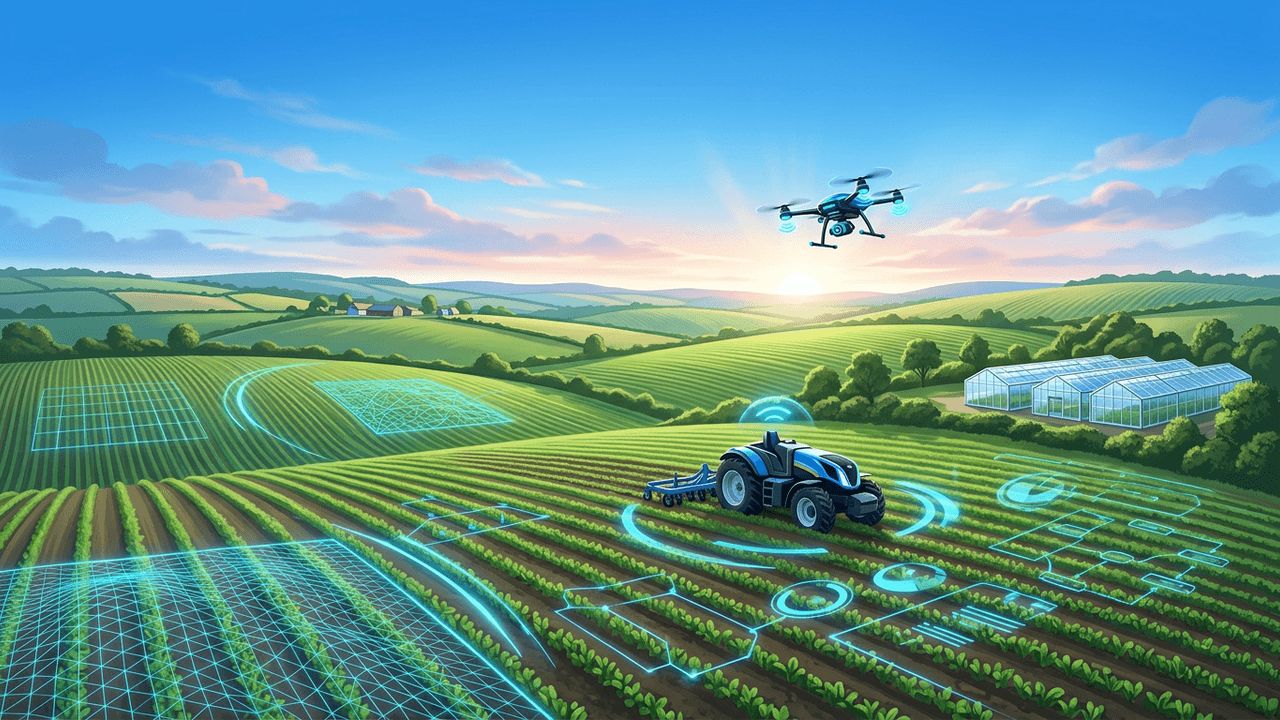
Technology is also helping, with precision farming tools, livestock monitoring and online sales platforms making operations more efficient.
Supporting Local Farms
Buying direct from farm shops, joining box schemes and choosing local meat and produce helps sustain Wyre Forest farms. It also reduces food miles and supports practices that protect the countryside for future generations.
The Role of Farm Shops and Direct Sales
Farm shops have become an essential part of Wyre Forest's rural economy. They allow farmers to capture more value from their produce, build direct relationships with customers and showcase their farming methods. Many farm shops also stock products from neighbouring farms, creating a network that supports multiple local producers.
Customers benefit from fresher food, clear provenance and the opportunity to learn how their food is produced. Seasonal events, pick-your-own and farm open days strengthen these connections further.
Conservation and the Wyre Forest
Farming in Wyre Forest takes place alongside one of England's largest remaining ancient woodlands. Many farmers work with conservation organisations to protect habitats, restore traditional orchards and manage hedgerows and field margins for wildlife. This partnership between agriculture and conservation helps preserve the landscape that makes the district so special.
Challenges Facing Local Farmers
Wyre Forest farmers face a range of pressures, including rising input costs, changing government support schemes, unpredictable weather and flooding along the Severn Valley. Many are responding by diversifying into tourism, renewable energy, farm retail and value-added products such as charcuterie, juices and ciders. Collaboration between neighbouring farms, sharing machinery and marketing, is also helping smaller holdings remain viable.
Conclusion
Wyre Forest's farming businesses combine tradition with innovation. From regenerative grazing and artisan charcuterie to orchards and woodland management, these farms produce exceptional food while caring for one of England's most beautiful landscapes.
Want your brand featured in front of decision-makers? Publish a guest post or get a link insertion in our guides through AAMAX's guest post and link insertion service.
Helpful Links
 SponsoredAAMAX — Full-Service Digital Agency
Write for Us
Share your expertise with our readers. We welcome guest contributions from industry specialists.
Pitch your idea