Agriculture at the Heart of the South West
Surrounded by the fertile landscapes of Devon and Cornwall, Plymouth sits at the centre of a rich agricultural region. Farming companies here manage everything from dairy herds and beef cattle to arable crops and horticulture. The mild coastal climate, combined with generations of accumulated expertise, has made the area one of the most productive farming zones in the United Kingdom.
Modern farming companies around Plymouth are balancing tradition with innovation. Many have adopted precision agriculture, renewable energy, and regenerative practices to remain competitive and environmentally responsible. Below we profile ten of the standout farming operations that define the local agricultural community.
Established Farming Operations
Tamar Valley Farms is renowned for its mixed operation combining dairy and arable production, with a strong commitment to soil health and rotational grazing. Dartmoor Edge Livestock specialises in hardy native cattle and sheep breeds, supplying quality meat to regional butchers and restaurants that value provenance.
Plymouth Dairy Collective unites several local producers to supply fresh milk and cream across the South West, emphasising animal welfare and short supply chains. Green Acres Arable Co focuses on cereals and oilseeds, using modern crop rotation and cover cropping to maintain long-term productivity.
Sound Coast Growers has carved out a niche in horticulture, producing seasonal vegetables and salad crops for local markets and box schemes. Widewell Farming Group operates a large-scale beef enterprise known for its efficient, welfare-focused finishing systems.
Innovative and Sustainable Producers
Devon Regenerative Farms has become a local leader in regenerative agriculture, integrating diverse cover crops, agroforestry, and minimal tillage to rebuild soil carbon. Their approach demonstrates how productivity and ecology can work together. Mayflower Organic Produce holds full organic certification and supplies vegetables, eggs, and poultry to conscious consumers who prioritise chemical-free food.
Plym Estuary Agriculture combines traditional farming with environmental stewardship schemes, managing wetlands and hedgerows alongside food production. Finally, South Hams Family Farms represents the cooperative spirit of the region, with several generations working together across livestock and crops while investing in renewable energy and modern machinery.
Trends Transforming Local Agriculture
Sustainability and environmental land management are now central to farming strategy. With shifting subsidy structures rewarding biodiversity, carbon capture, and water quality improvements, Plymouth's farming companies are diversifying beyond pure production. Many are planting hedgerows, restoring habitats, and adopting nature-friendly farming to secure both grants and long-term resilience.
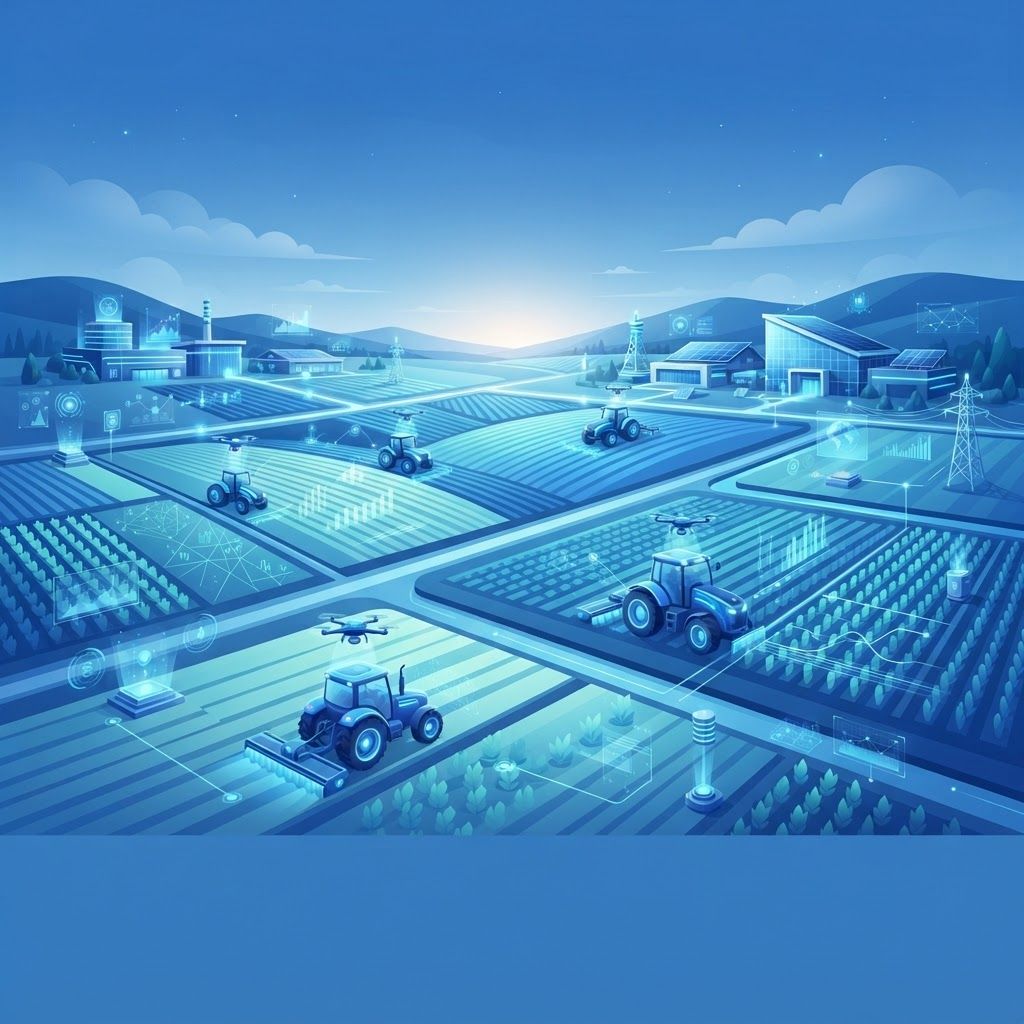
Technology adoption is accelerating too. Satellite mapping, soil sensors, and data-driven decision making help farms optimise inputs and reduce waste. Renewable energy, particularly solar arrays and anaerobic digestion, provides additional income while lowering carbon footprints. Direct-to-consumer sales through farm shops and box schemes have also grown, strengthening ties between producers and the community.
Supporting Local Farming
Consumers and businesses can support the region's farming companies by choosing local produce, understanding seasonality, and valuing the environmental work these operations undertake. Restaurants and retailers that build direct relationships with farms gain access to fresher products and compelling provenance stories that resonate with customers.
Labour, land prices, and weather volatility remain ongoing challenges, but the adaptability of Plymouth's farmers continues to impress. Their willingness to embrace new methods while honouring traditional knowledge positions the region well for the future.
Final Thoughts
The farming companies around Plymouth exemplify the balance between heritage and innovation that defines modern British agriculture. By prioritising sustainability, animal welfare, and community connection, these businesses not only feed the region but also protect its cherished landscapes. Supporting them means investing in food security and rural prosperity for generations to come.
Want your brand featured in front of decision-makers? Publish a guest post or get a link insertion in our guides through AAMAX's guest post and link insertion service.
Helpful Links
 SponsoredAAMAX — Full-Service Digital Agency
Write for Us
Share your expertise with our readers. We welcome guest contributions from industry specialists.
Pitch your idea