A Genuinely Agricultural District
North Lincolnshire is farming country in the truest sense. The district's flat, fertile land, much of it drained and reclaimed over centuries, supports some of the highest-yielding arable production in England. Wheat, barley, oilseed rape, sugar beet, potatoes and field vegetables dominate the landscape, while livestock enterprises, poultry units and increasingly diversified rural businesses fill out the picture.
The Isle of Axholme deserves particular mention. Its distinctive peat and silt soils, combined with a long history of drainage engineering, produce exceptional root and vegetable crops. Elsewhere, the Ancholme valley and the limestone ridge running through the district create noticeably different growing conditions within relatively short distances, which is why local agronomic knowledge carries such value.
What Defines a Well-Run Farming Business Today
Modern farming is a data-intensive, capital-intensive enterprise operating on thin margins and considerable weather risk. The businesses performing best tend to share several characteristics: rigorous cost control per hectare, disciplined rotation planning to protect soil health, investment in precision technology that reduces input waste, and diversified income streams that cushion commodity price volatility.
Environmental performance has also become a commercial matter rather than a philosophical one. Post-reform agricultural policy in England rewards public goods such as improved soil health, water quality, habitat creation and carbon storage. Farms that integrate these schemes into their business planning capture meaningful revenue while improving long-term productivity, whereas those treating them as an afterthought leave money unclaimed.
The Top 10 Farming Companies in North Lincolnshire
1. Humber Arable Farms — A large-scale combinable crops business managing extensive acreage across the district, Humber Arable Farms is known for professional agronomy, controlled traffic farming to limit soil compaction, and detailed yield mapping that drives variable rate input decisions. Its scale allows investment in machinery and grain storage that smaller units cannot justify alone.
2. Isle of Axholme Growers — Specialising in root crops and field vegetables on the Isle's distinctive soils, this business supplies fresh produce packers and processors. Its expertise in irrigation scheduling and drainage management is central to consistent quality in a landscape where water control determines outcomes.
3. Scunthorpe Estate Farming Company — Combining arable production with commercial property, renewable energy and rural lettings, this estate business exemplifies modern diversification. Solar generation and building conversions provide stable income that supports the farming operation through difficult commodity years.
4. Brigg Livestock and Mixed Farming — Running beef cattle and sheep alongside forage and combinable crops, this business demonstrates the agronomic benefits of mixed farming. Manure returns organic matter to arable land, grass leys break disease cycles, and the two enterprises together spread market risk.
5. Barton Potato Producers — Potatoes demand exceptional attention to storage, grading and disease management. Barton Potato Producers has invested in temperature-controlled storage and careful variety selection to supply pre-pack and processing markets consistently across a long marketing window.
6. Ancholme Valley Poultry — Poultry production offers relatively predictable margins and rapid cycles, and this business operates modern units with strong biosecurity, welfare monitoring and environmental controls. Litter is used as a soil amendment locally, closing a useful nutrient loop.
7. Trent Valley Sugar Beet Growers — Sugar beet remains an important rotational crop in the district, and this grower group coordinates agronomy, harvesting logistics and haulage scheduling. Collective organisation reduces cost and improves delivery reliability during a demanding campaign period.
8. Winterton Regenerative Farming Partnership — Practising direct drilling, cover cropping, diverse rotations and reduced synthetic input use, this partnership has become a reference point for regenerative approaches locally. Its documented improvements in soil organic matter and infiltration attract genuine interest from neighbouring farms.
9. Ermine Ridge Organic Farms — Farming certified organic land on the limestone ridge, this business supplies organic cereals, vegetables and livestock products. Managing fertility and weeds without synthetic inputs requires long rotations and precise timing, and the operation has built strong technical capability in both.
10. Lincolnshire Contract Farming Services — Completing the list, this contracting business provides cultivation, drilling, spraying, harvesting and baling services to landowners who no longer farm directly. Contract arrangements have become an important mechanism for keeping land productively managed while sharing machinery costs efficiently.
Technology and Environmental Trends
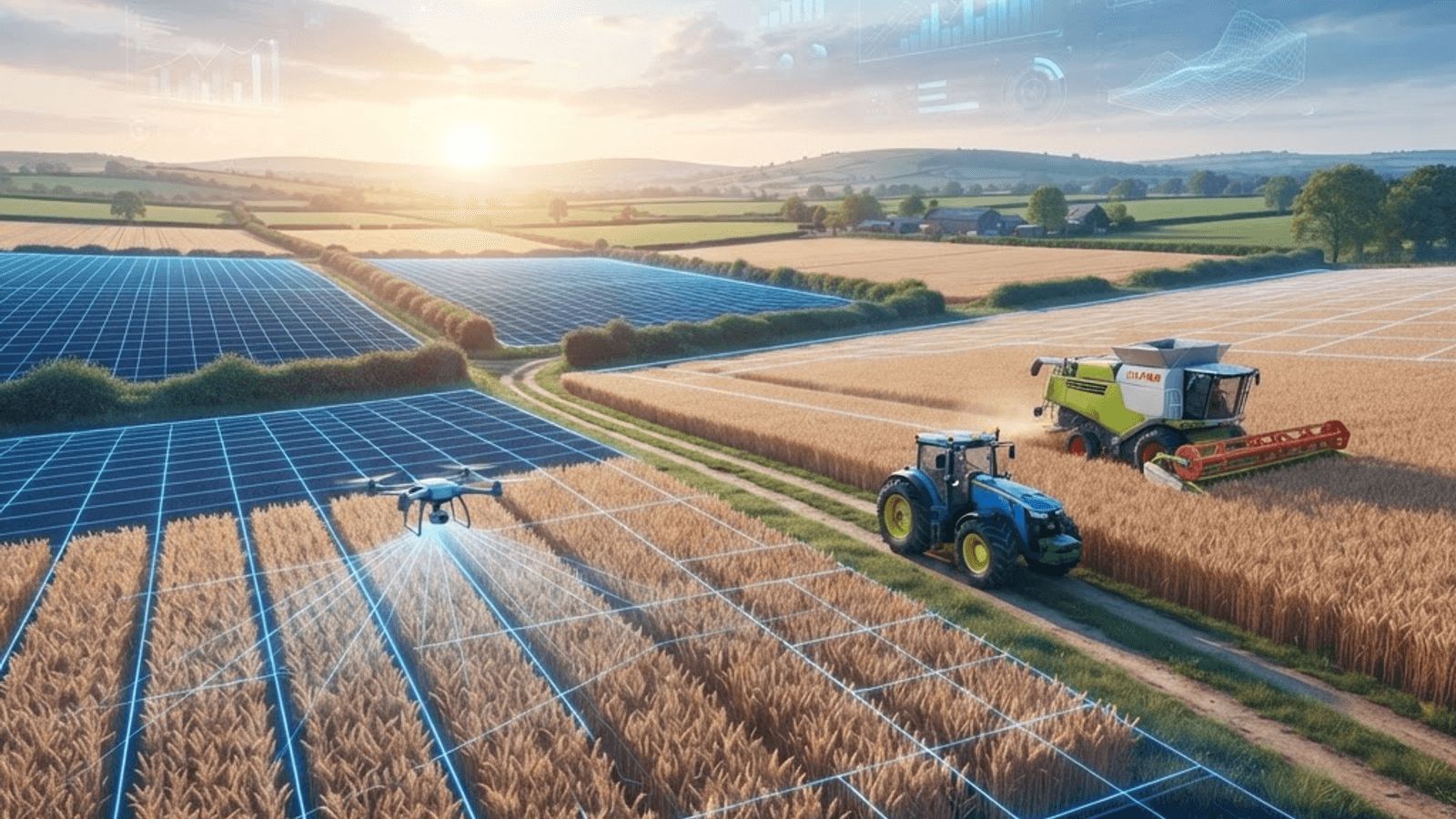
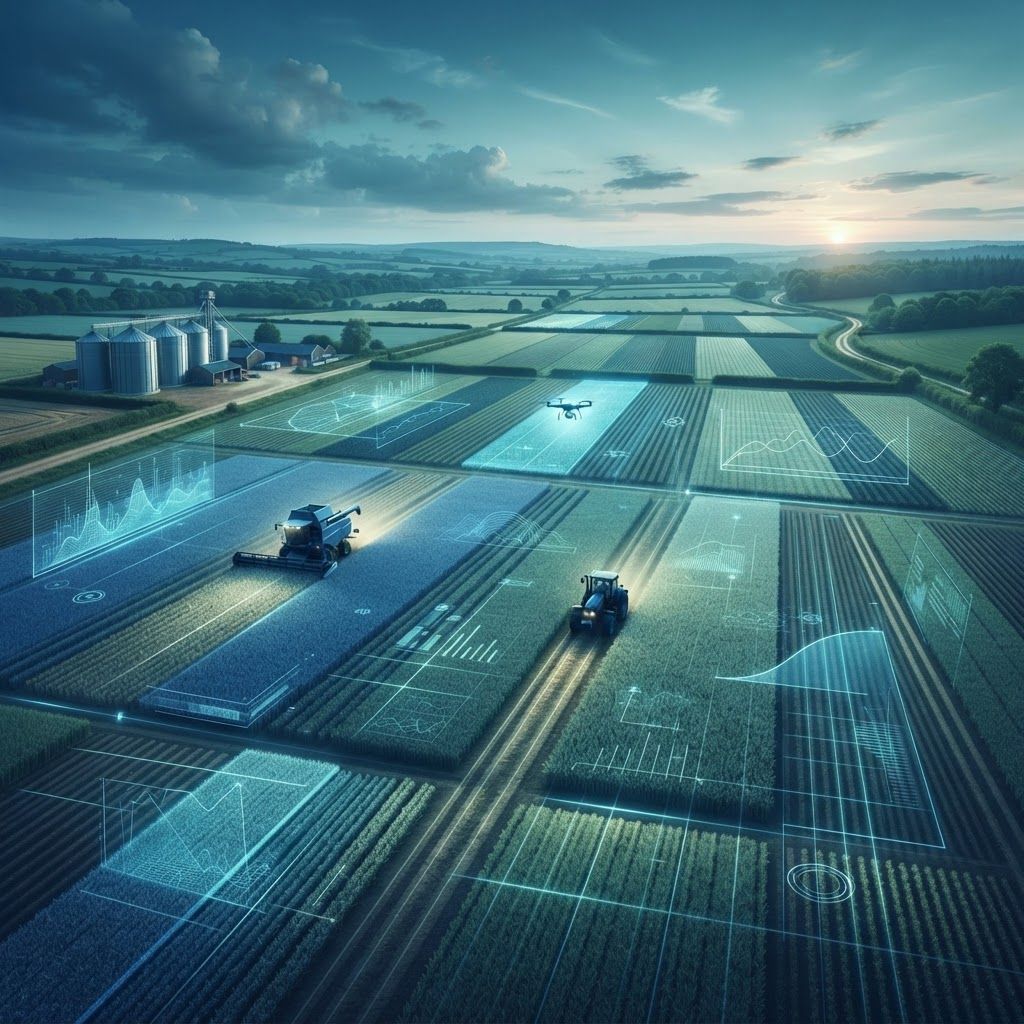
Precision agriculture is now standard rather than experimental across the district. Satellite guidance, variable rate application, soil scanning, drone crop assessment and telematics-linked machinery allow inputs to be matched to field variation, reducing fertiliser and pesticide use while protecting yield. The economic case has strengthened considerably as input costs have risen.
Water management is a growing concern. Much of North Lincolnshire sits at low elevation behind engineered drainage, and both flood risk and irrigation availability influence cropping decisions directly. Investment in reservoirs, efficient irrigation and drainage maintenance has become a strategic priority for many businesses.
Diversification continues apace, spanning renewable energy generation, farm shops, holiday accommodation, storage lettings, equestrian facilities and environmental land management agreements. These streams reduce dependency on volatile commodity markets and often make better use of underutilised buildings.
Practical Observations
For anyone entering or expanding an agricultural business in the district, three points stand out. Soil is the primary asset, and practices that build organic matter pay back over decades. Machinery costs are frequently the largest controllable expense, making contracting and sharing arrangements worth serious analysis. Finally, environmental scheme income should be planned into rotations from the start rather than bolted on afterwards.
Final Thoughts
North Lincolnshire's farming companies combine excellent natural resources with genuine technical sophistication. The businesses profiled above illustrate how scale, specialism, diversification and environmental stewardship can each form the basis of a resilient agricultural enterprise in one of England's most productive farming districts.
Want your brand featured in front of decision-makers? Publish a guest post or get a link insertion in our guides through AAMAX's guest post and link insertion service.
Helpful Links
 SponsoredAAMAX — Full-Service Digital Agency
Write for Us
Share your expertise with our readers. We welcome guest contributions from industry specialists.
Pitch your idea