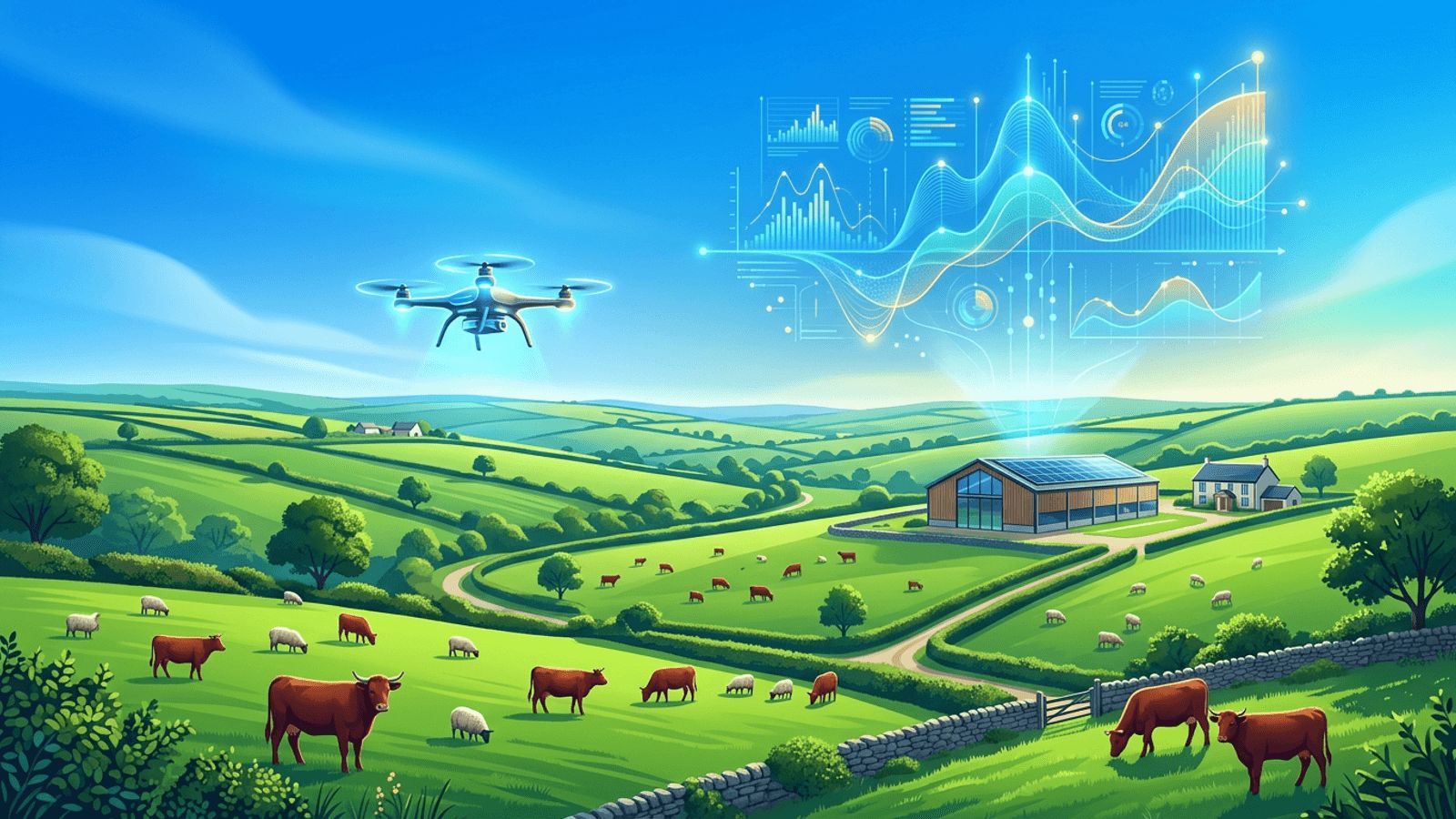
Farming at the Heart of North Devon
Agriculture has shaped North Devon for centuries. Its lush pastures, high rainfall and rolling hills make it one of England's finest grassland regions, ideal for dairy, beef and sheep farming. From the moorland edges of Exmoor to the fertile valleys of the Taw and Torridge, farming businesses underpin the rural economy, maintain the landscape and supply the produce that restaurants and shops proudly showcase to visitors.
This guide highlights ten of the best farming companies and agricultural organisations in and around North Devon, covering producers, cooperatives, livestock markets and breed societies that keep the region's farming heritage strong.
The Character of North Devon Agriculture
North Devon farms are typically family-run, livestock-focused and closely tied to the land. Grass-fed beef and lamb, dairy production and mixed farming dominate. In recent years, many farms have diversified into direct sales, holiday accommodation, farm attractions and environmental stewardship, reflecting both economic pressures and a growing public interest in food provenance.
The Top 10 Farming Companies in North Devon
1. Mole Valley Farmers
Founded in South Molton in 1960 by a group of local farmers, Mole Valley Farmers has grown into one of the UK's largest farmer-owned cooperatives. It supplies animal feed, fertilisers, machinery, clothing and farm supplies, and reinvests in the rural community. Its roots and continuing presence in North Devon make it central to the region's farming life.
2. Heal Farm
Heal Farm, located in the North Devon countryside, is known for rearing rare and traditional breed livestock and producing high-quality meats. Its emphasis on heritage breeds, slow growth and exceptional flavour has earned it a reputation among food lovers and chefs.
3. The Big Sheep
The Big Sheep near Bideford combines working farm heritage with family entertainment. Famous for its sheep racing and farm animal experiences, it has become one of North Devon's best-known agricultural attractions and a great example of successful farm diversification.
4. Pipers Farm
Pipers Farm works with a network of small Devon family farms to produce grass-fed and free-range meat raised to high welfare standards. Its commitment to regenerative agriculture and direct-to-customer sales champions the future of sustainable livestock farming.
5. Clovelly Estate
The Clovelly Estate has been privately owned for centuries and encompasses farmland and woodland around the famous fishing village. Estate farming and land management help maintain the unique landscape that draws visitors from around the world.
6. Kivells
Kivells is a long-established South West firm of agricultural auctioneers, estate agents and land agents. It runs livestock markets and provides professional advice on farm sales, valuations and land management, playing a vital role in the regional agricultural economy.
7. Red Ruby Devon Cattle Society
The Red Ruby Devon is one of Britain's oldest native cattle breeds, closely associated with the county. The breed society promotes and preserves this hardy, grass-fed breed prized for its marbled, flavourful beef, supporting North Devon farmers who rear it.
8. Exmoor Horn Sheep Breeders' Society
The Exmoor Horn is a hardy hill sheep breed native to Exmoor and its surroundings. The society supports breeders in producing quality lamb and fine wool, protecting a breed perfectly adapted to the moorland conditions on North Devon's doorstep.
9. Arla Foods
Arla Foods is a farmer-owned dairy cooperative with member farms across the UK, including in Devon. Dairy remains a cornerstone of North Devon agriculture, and cooperatives such as Arla provide farmers with a stable route to market for their milk.
10. Quicke's
Quicke's is a family farm in Devon with a centuries-long history, best known for its traditional clothbound cheddar. Its integration of dairy herd management, grassland farming and cheesemaking demonstrates how farms can add value to their produce.
Trends Shaping North Devon Farming
Regenerative and nature-friendly farming is gaining momentum. The North Devon UNESCO Biosphere Reserve encourages practices that protect soil health, water quality and biodiversity. Many farms are adopting rotational grazing, hedgerow restoration and reduced chemical inputs.
Environmental land management schemes are also reshaping farm incomes. Farmers are increasingly rewarded for delivering public goods such as carbon storage, habitat creation and flood mitigation, alongside food production.
Diversification remains a key survival strategy. Farm shops, glamping sites, farm stays, educational visits and events provide additional income streams while connecting the public with where their food comes from.
Why North Devon Farming Matters
Farming in North Devon is about more than food. It maintains the patchwork landscape that attracts tourists, supports rural employment and preserves heritage breeds and traditions. Buying local meat, dairy and produce directly supports these businesses and helps sustain thriving rural communities.
Conclusion
From the farmer-owned strength of Mole Valley Farmers to heritage producers like Heal Farm, Pipers Farm and Quicke's, North Devon's farming sector is diverse, resilient and innovative. These ten farming companies and organisations represent the best of the region's agricultural tradition while embracing the sustainable practices that will define its future.
Want your brand featured in front of decision-makers? Publish a guest post or get a link insertion in our guides through AAMAX's guest post and link insertion service.
Helpful Links
 SponsoredAAMAX — Full-Service Digital Agency
Write for Us
Share your expertise with our readers. We welcome guest contributions from industry specialists.
Pitch your idea