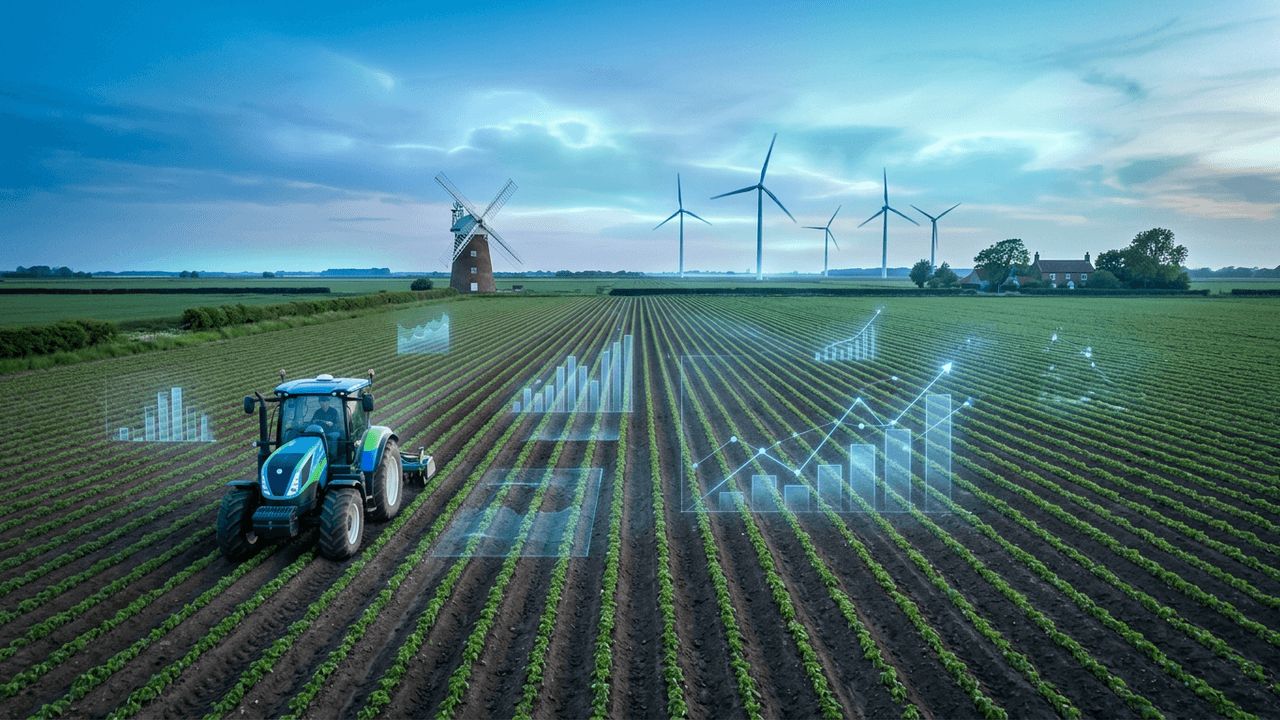
Farming in the Great Yarmouth Area
Great Yarmouth is best known as a seaside resort and energy port, but the borough and its surrounding villages sit within one of the most productive farming regions in the United Kingdom. The Flegg villages, the edges of the Broads and the wider East Norfolk landscape offer light, fertile soils and a relatively dry climate that suit cereals, sugar beet, potatoes, vegetables and livestock. Drainage mills and grazing marshes along the Bure, Yare and Waveney rivers are a reminder of centuries of careful land management.
Modern farming here combines family-run holdings with large agribusinesses, cooperatives and processors. The companies below represent the organisations that growers in and around Great Yarmouth most often work with, buy from or sell to, and each plays a significant role in the local rural economy.
The Top 10 Farming Companies and Agricultural Businesses
1. British Sugar at Cantley
The Cantley sugar factory, just a short distance up the River Yare from Great Yarmouth, is one of the most important agricultural sites in Norfolk. It processes sugar beet grown by contracted farmers across the region. For East Norfolk growers, beet remains a valuable break crop in arable rotations, and the factory's campaign season is a major event in the farming calendar.
2. Anglia Farmers
Anglia Farmers is one of the largest agricultural purchasing groups in the country, based in Norfolk. It helps members buy fuel, energy, fertiliser, machinery parts, insurance and services at competitive rates. For farms of every size around Great Yarmouth, collective buying power helps control costs in an industry with notoriously tight margins.
3. Frontier Agriculture
Frontier Agriculture is a leading crop production and grain marketing business operating across East Anglia. It provides agronomy advice, seed, crop protection, fertiliser and grain trading services. Its agronomists help local growers make data-driven decisions on variety choice, soil health and input use, which is increasingly important under new environmental schemes.
4. Albanwise
Albanwise is a substantial Norfolk-based farming and land management business with interests in arable cropping, contract farming and rural property. It is known for applying modern precision techniques at scale and for investing in environmental stewardship alongside productive farming.
5. Norfolk County Farms
The county farms estate owned by Norfolk County Council is one of the largest of its kind in England. It offers tenancies to farmers, including new entrants who might otherwise struggle to access land. This makes it an important pathway for young people from the Great Yarmouth area who want to build a career in agriculture.
6. Bernard Matthews
Bernard Matthews is one of the most recognisable food names associated with Norfolk. Its poultry operations have long been a significant source of rural employment in the county. The business illustrates how livestock farming and food processing remain closely linked in the local economy.
7. Crisp Malt
Crisp Malt, with its historic maltings at Great Ryburgh, is a major buyer of Norfolk malting barley. It supplies brewers and distillers in the UK and overseas. For local arable farmers, growing high-quality malting barley is a premium market that rewards careful crop management.
8. Openfield
Openfield is a farmer-owned grain cooperative that markets cereals and oilseeds on behalf of its members. Its cooperative structure means profits and influence stay with growers, and it offers storage, logistics and marketing expertise that help smaller Norfolk farms reach national and export markets.
9. Kettle Foods
Based in Norwich, Kettle Foods has built a strong reputation for hand-cooked crisps made with British potatoes. The company works with regional growers, and its success demonstrates how East Anglian farming supplies well-known consumer brands. Potato production remains an important enterprise on suitable soils around the Broads.
10. Family Farms of the Flegg Villages
No list of farming in Great Yarmouth would be complete without the family farms around Martham, Ormesby, Filby, Rollesby and Hemsby. Many have farmed the same land for generations, growing cereals, beet and vegetables, grazing livestock on the marshes and increasingly diversifying into farm shops, holiday lets and renewable energy.
Key Trends in East Norfolk Agriculture
Farming around Great Yarmouth is changing rapidly. Environmental land management schemes now reward practices such as cover cropping, hedgerow restoration and wetland creation, which is especially relevant near the Broads National Park. Precision agriculture, including GPS guidance, variable rate application and soil mapping, is helping farms cut input costs and emissions.
Water management is another major theme. Low-lying land near the coast faces risks from saline intrusion and flooding, while summer drought pressures irrigation supplies. Many farms are investing in reservoirs and more efficient irrigation. Diversification is also growing, with farm shops, glamping, solar arrays and educational visits creating new income streams tied to the area's strong tourism economy.
Benefits of Working With Established Agricultural Businesses
For growers, partnering with established processors and cooperatives provides secure markets, technical support and access to finance. For consumers and the wider community, these businesses support local employment, maintain the distinctive Norfolk landscape and keep food supply chains short and traceable.
Conclusion
Great Yarmouth's farming sector blends heritage and innovation. From the sugar beet delivered to Cantley to malting barley destined for breweries worldwide, East Norfolk agriculture has national importance. The companies featured here form the backbone of that industry, and together with the region's family farms they will shape a productive, sustainable future for the land around Great Yarmouth.
Want your brand featured in front of decision-makers? Publish a guest post or get a link insertion in our guides through AAMAX's guest post and link insertion service.
Helpful Links
 SponsoredAAMAX — Full-Service Digital Agency
Write for Us
Share your expertise with our readers. We welcome guest contributions from industry specialists.
Pitch your idea