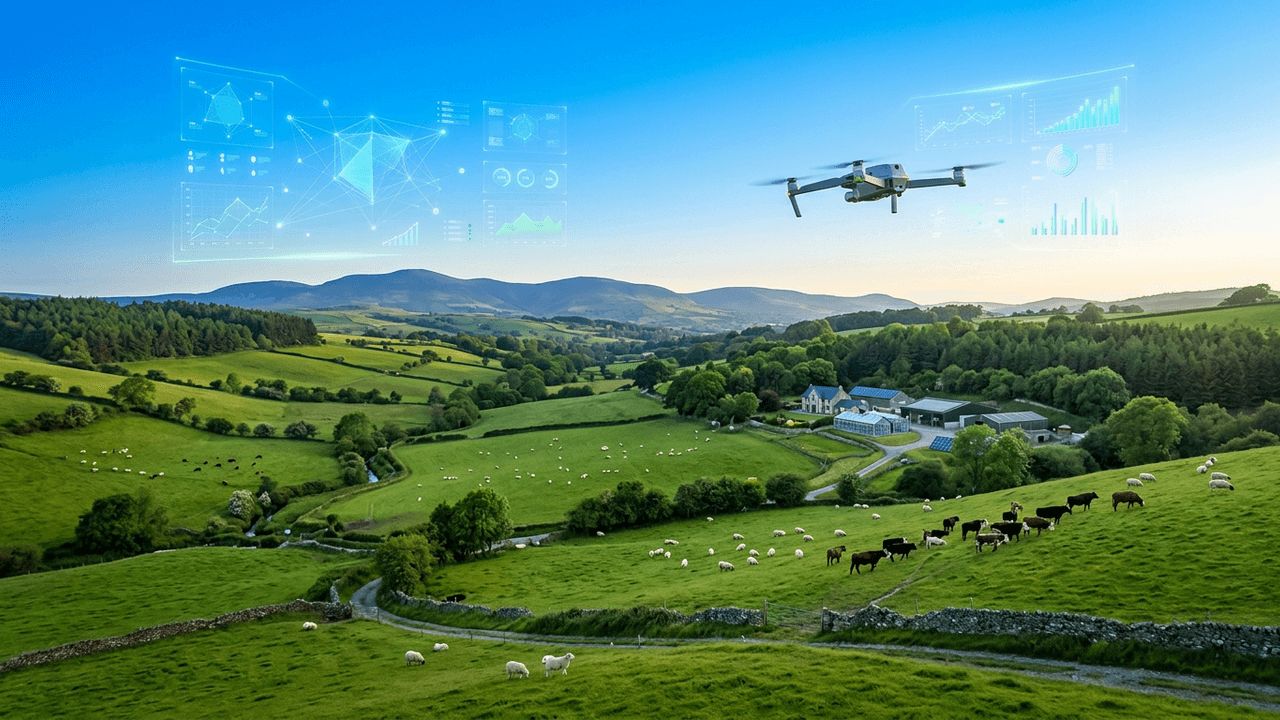
Farming in Denbighshire
Agriculture has shaped Denbighshire's landscape, culture and economy for centuries. The Vale of Clwyd is among the most fertile lowland areas in North Wales, supporting dairy herds, beef cattle, sheep and arable crops. Higher ground across the Clwydian Range and the Hiraethog moorland supports hardy sheep and suckler cattle, while the Dee Valley around Llangollen and Corwen combines grazing with forestry and tourism. Farming families remain central to community life, and the Welsh language is strongly rooted in many rural parishes.
Today, Denbighshire's farming businesses face challenges including climate change, market volatility and changes to agricultural support. At the same time, there are opportunities in diversification, sustainable land management and premium local food. This guide highlights ten leading farming businesses and organisations that support and represent the sector.
What Makes a Leading Farming Business
Successful farming companies combine high animal welfare and environmental standards with sound business management. Many invest in diversification such as farm shops, renewable energy and tourism. Collaboration, knowledge sharing and strong supply chains help farms remain competitive and resilient.
The Top 10 Farming Businesses and Organisations in Denbighshire
1. Rhug Estate
Rhug Estate near Corwen is a large certified organic farm spanning thousands of acres. It produces organic beef, lamb, poultry and game, and operates a farm shop, bistro and drive-thru on the A5. The estate is also known for renewable energy projects and supplies premium restaurants, making it a benchmark for sustainable and diversified farming.
2. Ruthin Farmers Auction
Ruthin Farmers Auction runs one of the most important livestock markets in North Wales. Its regular sales of cattle and sheep provide a vital trading hub for farmers across the county and beyond, supporting fair price discovery and the social fabric of rural life.
3. Wynnstay Group
Wynnstay is a Welsh agricultural supplies business providing feed, seed, fertiliser and farm inputs. It supports Denbighshire farmers through its stores and specialist advisers, helping farms improve productivity and animal health.
4. Coleg Cambria Llysfasi
Coleg Cambria's Llysfasi campus near Ruthin is a specialist land-based college with a working farm. It trains the next generation of farmers, foresters and agricultural engineers, and its commercial farm demonstrates modern practices in livestock and land management.
5. Hufenfa De Arfon
Hufenfa De Arfon, also known as South Caernarfon Creameries, is a farmer-owned dairy cooperative that collects milk from members across North Wales. It produces award-winning Welsh cheese and butter, giving dairy farmers a stake in adding value to their milk.
6. Llaeth y Llan
Llaeth y Llan is a family-run yogurt producer based in the hills near Denbigh. Having started as a farm diversification project, it has grown into a well-known Welsh dairy brand, demonstrating how farm families can create successful food businesses from their own produce.
7. Farming Connect
Farming Connect is a Welsh Government funded programme that provides farmers with training, mentoring, advice and demonstration projects. Its network of demonstration farms and discussion groups helps Denbighshire farmers adopt new technologies and improve business performance.
8. NFU Cymru
NFU Cymru represents farmers across Wales, lobbying on policy, trade and regulation. Its county branches give Denbighshire members a voice on issues from agricultural support to environmental schemes, as well as practical advice and insurance services.
9. Farmers' Union of Wales
The Farmers' Union of Wales is a Welsh farming union dedicated to protecting the interests of family farms. Its local offices offer members practical support with paperwork, regulation and policy, and it campaigns strongly for the future of Welsh agriculture.
10. Hybu Cig Cymru
Hybu Cig Cymru, or Meat Promotion Wales, promotes PGI Welsh Lamb and PGI Welsh Beef in domestic and export markets. Its marketing, research and industry development work helps Denbighshire livestock farmers access premium markets.
Trends in Denbighshire Farming
Sustainable land management is becoming central to agricultural policy, with farmers encouraged to enhance biodiversity, improve soil health and reduce emissions. Precision farming technologies, including GPS-guided machinery and livestock monitoring, are increasingly adopted. Diversification into farm shops, glamping and renewable energy provides new income streams. Demand for local, traceable food continues to grow among consumers and hospitality buyers.
Supporting Local Farming
Residents and businesses can support Denbighshire farming by buying local produce, visiting farm shops and choosing restaurants that source from the region. Businesses in food and hospitality can build partnerships with local producers to strengthen supply chains and showcase authentic Welsh flavours.
Diversification and the Future of Denbighshire Farms
Diversification has become an essential strategy for many Denbighshire farms. Farm shops and cafes selling local meat, dairy and produce have grown in popularity, while glamping pods, holiday cottages and campsites take advantage of visitor demand for countryside breaks in the Clwydian Range and Dee Valley. Some farms have invested in solar panels, wind turbines and hydro schemes to generate renewable energy and reduce costs. Others host educational visits, weddings or outdoor activities.
Succession planning is another important issue. Many farms have been in the same family for generations, and ensuring a smooth transition to younger family members requires careful financial and legal planning. Training programmes, mentoring and new entrant schemes help bring fresh ideas and energy into the sector. With support from local colleges, cooperatives and advisory services, Denbighshire's farming businesses are adapting to change while preserving the traditions that make the county distinctive.
Conclusion
Denbighshire's farming sector is rich in tradition and innovation. From pioneering organic estates to cooperatives, markets and support organisations, these businesses sustain the rural economy and landscape. Contact each organisation directly to learn more about their current services and products.
Want your brand featured in front of decision-makers? Publish a guest post or get a link insertion in our guides through AAMAX's guest post and link insertion service.
Helpful Links
 SponsoredAAMAX — Full-Service Digital Agency
Write for Us
Share your expertise with our readers. We welcome guest contributions from industry specialists.
Pitch your idea