Farming at the Heart of Babergh
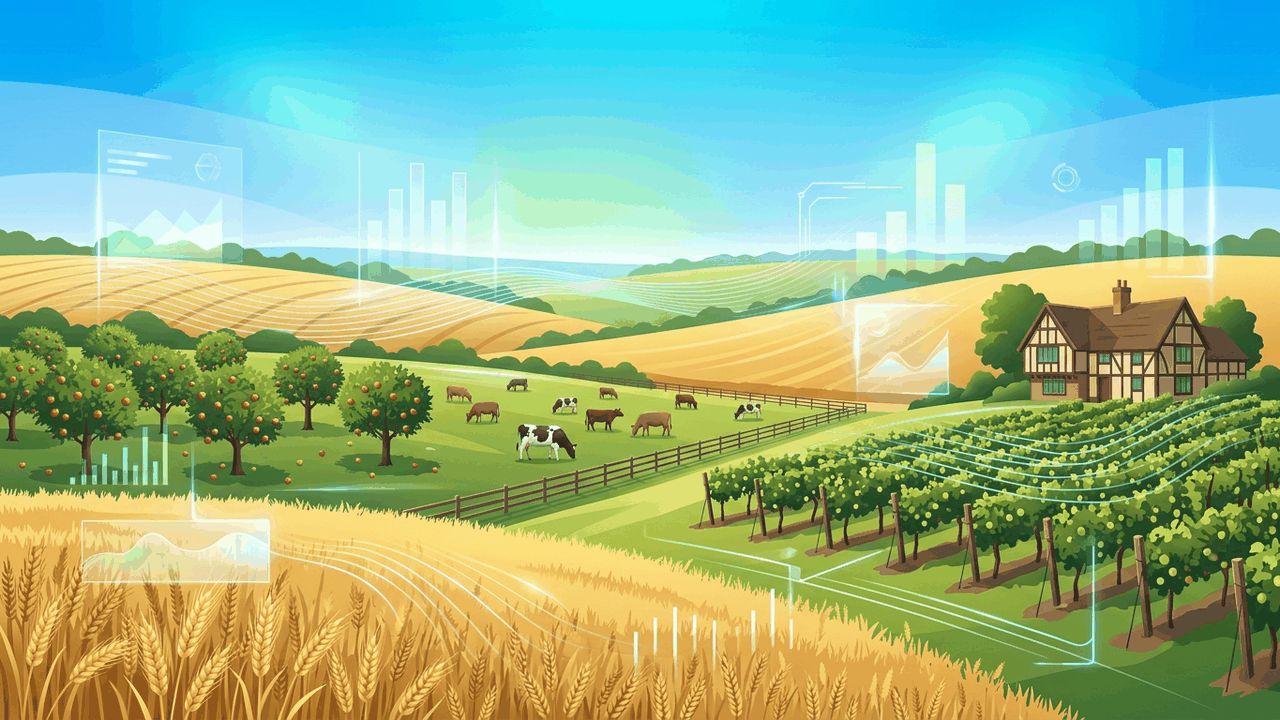
Drive through Babergh and you will quickly see how important farming is to the district. Rolling fields of wheat, barley and oilseed rape stretch across the clay plateau between Sudbury and Ipswich, while the river valleys of the Stour, Brett and Box support grazing livestock, orchards and water meadows. Agriculture has shaped the area for centuries, and the wealth of the medieval wool trade, built on sheep, still shows in Lavenham's and Long Melford's magnificent churches.
Today's farming businesses in Babergh are diverse and innovative. Alongside large arable operations, the district is home to fruit growers, rare breed farms, vineyards and farm-based visitor attractions that combine food production with education and tourism.
Ten Outstanding Farming Businesses in Babergh
These farms and estates were chosen for their contribution to local food production, innovation, community engagement and reputation.
1. Jimmy's Farm and Wildlife Park
Located at Wherstead near Ipswich, Jimmy's Farm became famous through television and has grown into a popular farm and wildlife park. It rears rare breed pigs and other livestock, runs a farm shop and restaurant, and educates thousands of visitors about where food comes from and the importance of animal welfare.
2. Copella Fruit Farm
Boxford's orchards are the birthplace of Copella, one of the UK's most recognised apple juice brands. The farm's long history of fruit growing helped put Babergh on the map for quality apples, and it remains closely associated with the Box Valley's orchard landscape.
3. Hollow Trees Farm
Hollow Trees at Semer is a family-run mixed farm with an award-winning farm shop, butchery and cafe. It rears its own livestock, grows seasonal produce and runs farm trails, offering a genuine field-to-fork experience for families and food lovers.
4. Kentwell Hall Farm
The Tudor estate of Kentwell Hall in Long Melford includes a rare breeds farm that conserves traditional British livestock breeds. Its living history events and farm activities make it a valuable educational resource and a much-loved visitor attraction.
5. Giffords Hall Vineyard
Set in the countryside near Hartest, Giffords Hall produces award-winning English wines from its own vineyards. It reflects the rapid growth of viticulture in East Anglia, where a dry, sunny climate is increasingly suited to quality sparkling and still wines.
6. Tendring Hall Estate
The Tendring Hall Estate around Stoke-by-Nayland manages farmland, woodland and parkland in the Dedham Vale. Its focus on sustainable land management and conservation helps protect one of England's most treasured landscapes, made famous by the painter John Constable.
7. Suffolk Food Hall Farm
The farm associated with Suffolk Food Hall at Wherstead supplies beef, lamb and seasonal produce to the food hall's butchery and kitchen. Its short supply chain demonstrates the benefits of local production and gives customers a direct connection to the land.
8. Stour Valley Growers
This collective of growers in the Stour Valley produces vegetables, salads and soft fruit for farm shops, restaurants and box schemes. Its regenerative growing methods and commitment to seasonal produce have built a loyal following among chefs and households.
9. Brett Valley Free Range
Based in the Brett Valley, this free-range egg producer supplies farm shops, delis and cafes across south Suffolk. High welfare standards and fresh daily collections make its eggs a favourite among local caterers who value quality and provenance.
10. Babergh Arable Partnership
Representing several family farms on the clay plateau between Hadleigh and Ipswich, this partnership grows milling wheat, malting barley and break crops. It invests in precision farming technology and soil health practices to improve yields while reducing environmental impact.
Trends Transforming Babergh Agriculture
Regenerative agriculture is gaining momentum, with farms adopting cover crops, reduced tillage and diverse rotations to improve soil health and capture carbon. Government environmental schemes now reward farmers for creating habitats, planting hedgerows and protecting watercourses such as the Stour and Brett.
Technology is also playing a bigger role. GPS-guided tractors, drones and soil sensors allow precise application of seed and fertiliser, while diversification into tourism, renewable energy and direct sales helps farms build resilience against volatile commodity prices.
Why Local Farms Matter
Local farms underpin Babergh's rural economy, supporting jobs in agriculture, food processing and hospitality. They maintain the landscapes that attract tourists to the Dedham Vale and the Stour Valley, and they provide fresh, traceable food for residents and businesses.
Buying from farm shops and choosing restaurants that source locally helps keep these businesses viable and supports sustainable food systems. Farm open days, pick-your-own seasons and countryside events also offer families a chance to learn about modern agriculture, see how crops and livestock are managed and appreciate the work that goes into producing everyday food across south Suffolk.
Conclusion
Babergh's farming businesses combine tradition with innovation, producing food, drink and environmental benefits for the whole region. The ten farms and estates above showcase the diversity of agriculture in south Suffolk. Check opening times and visitor information directly before planning a visit.
Want your brand featured in front of decision-makers? Publish a guest post or get a link insertion in our guides through AAMAX's guest post and link insertion service.
Helpful Links
 SponsoredAAMAX — Full-Service Digital Agency
Write for Us
Share your expertise with our readers. We welcome guest contributions from industry specialists.
Pitch your idea