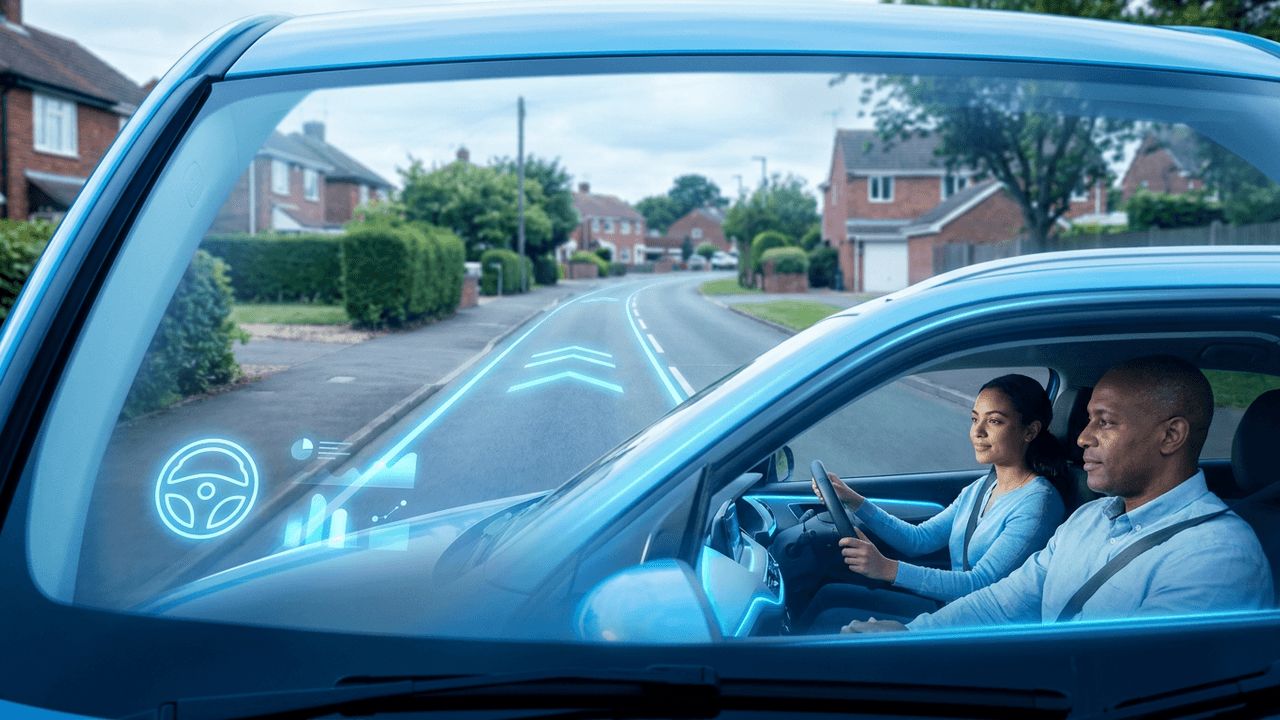
Learning to Drive in Plymouth
Gaining a driving licence is a significant milestone, offering independence, employment opportunities, and freedom to explore the beautiful landscapes of Devon and beyond. Plymouth presents a varied learning environment, with busy urban junctions, roundabouts such as those at Marsh Mills, hilly residential areas, and rural lanes all within easy reach. This diversity makes the city an excellent place to learn, provided learners are guided by skilled and patient instructors who know the roads well.
The best driving schools recognise that every learner is different. Some feel nervous behind the wheel, while others progress quickly. Tailoring instruction to individual needs is central to effective teaching and to building the confidence that safe driving requires.
Qualities of a Top Driving School
Several factors distinguish Plymouth's leading driving schools. Fully qualified, DVSA-approved instructors are essential, but the finest teachers combine technical knowledge with genuine patience and clear communication. A calm, supportive manner helps learners relax, absorb feedback, and improve steadily rather than feeling pressured.
Strong schools also offer structured, progressive lesson plans. Rather than repeating the same routes, they introduce new challenges gradually, from quiet residential streets to complex multi-lane roundabouts and dual carriageways. This methodical approach ensures learners develop a complete skill set and are genuinely ready for the demands of independent driving.
Lesson Options and Flexibility
Top driving schools cater to a wide range of needs. Standard weekly lessons suit many learners, but intensive courses, sometimes completed over one or two weeks, appeal to those who want to pass quickly for work or personal reasons. Automatic lessons have grown in popularity, particularly as electric and automatic vehicles become more common on Britain's roads.
Flexible scheduling, including evening and weekend availability, helps students balance lessons with school, university, or employment. Many schools also provide pass-plus courses and motorway tuition for newly qualified drivers who want to build extra confidence after passing their test.
The Importance of Pass Rates and Reputation
Pass rates offer a useful indicator of a school's effectiveness, though they should be considered alongside teaching quality and student feedback. A high first-time pass rate often reflects thorough preparation, honest assessment of readiness, and effective mock tests. Reputable schools do not simply push learners toward the test prematurely; they ensure candidates are properly prepared, which benefits both safety and success.
Word-of-mouth recommendations remain powerful in Plymouth's close-knit communities. Schools that consistently produce safe, confident drivers build strong reputations that endure over the years.
Modern Teaching Methods and Technology
Driver training has embraced modern tools. Many schools use dual-controlled vehicles fitted with the latest safety features, and some incorporate digital learning platforms to help students master theory and hazard perception. Interactive apps, progress tracking, and video feedback complement in-car lessons, reinforcing learning between sessions.
Instructors increasingly emphasise real-world hazard awareness, eco-friendly driving techniques, and defensive skills that extend well beyond passing the test. This forward-looking approach produces drivers who are not only licensed but genuinely competent and considerate on the road.
Preparing for the Theory and Practical Tests
Success requires preparation on two fronts. The theory test assesses knowledge of the Highway Code and hazard perception, while the practical test evaluates on-road ability. The best schools support learners through both, offering guidance, practice materials, and mock assessments that mirror real test conditions. This comprehensive preparation reduces anxiety and improves outcomes.
Choosing the Right School for You
When selecting a driving school, learners should consider instructor qualifications, lesson structure, vehicle quality, and overall reputation. Meeting or speaking with a prospective instructor beforehand can reveal whether their teaching style suits your personality and learning pace. Clear pricing, reliable scheduling, and a professional attitude are all signs of a trustworthy school.
Conclusion
Plymouth's best driving schools combine qualified, patient instructors, structured lessons, flexible options, and a genuine commitment to producing safe drivers. By focusing on more than simply passing the test, these schools equip learners with lifelong skills and confidence. Choosing the right school is a valuable investment in independence and safety, setting new drivers up for many years of enjoyable and responsible motoring.
Want your brand featured in front of decision-makers? Publish a guest post or get a link insertion in our guides through AAMAX's guest post and link insertion service.
Helpful Links
 SponsoredAAMAX — Full-Service Digital Agency
Write for Us
Share your expertise with our readers. We welcome guest contributions from industry specialists.
Pitch your idea