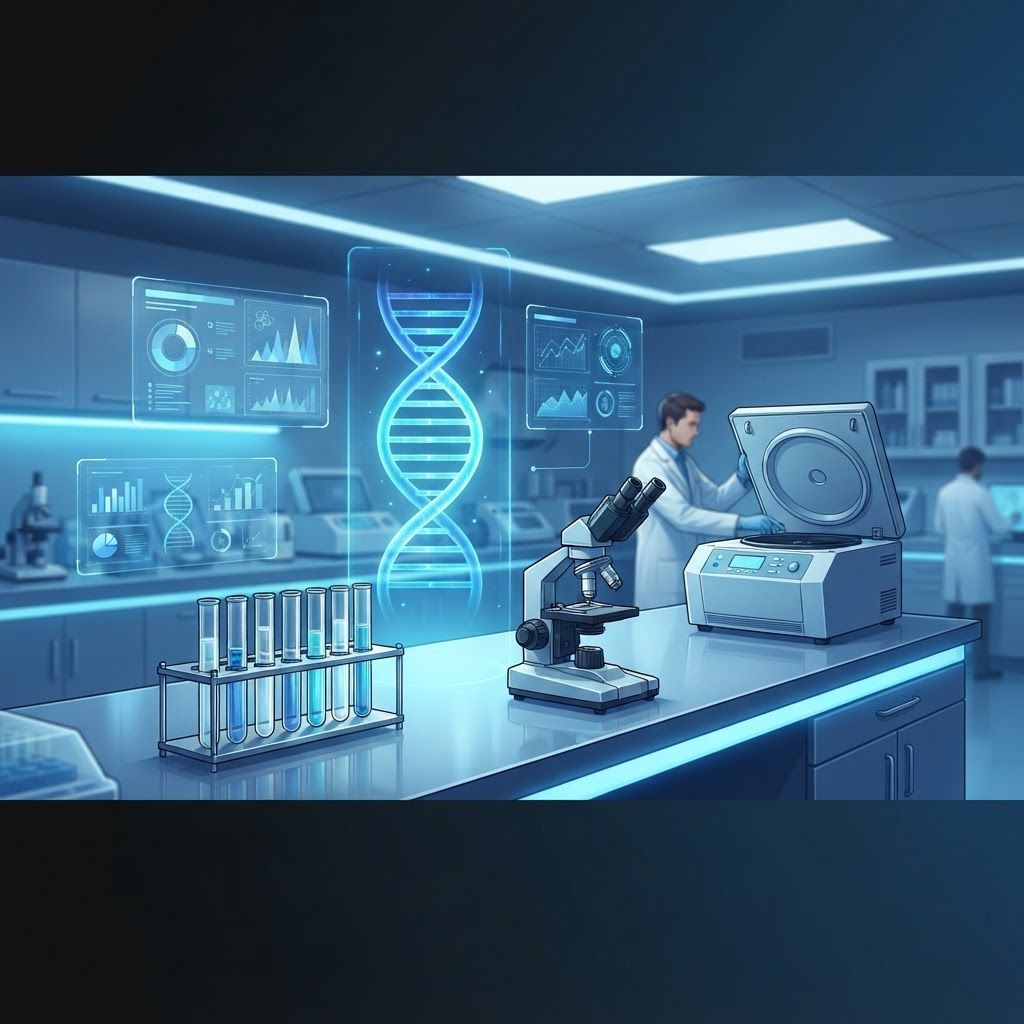
Why Diagnostics Determine Outcomes
Diagnostic testing is the quiet foundation of modern medicine. The overwhelming majority of clinical decisions depend on laboratory results or imaging, and the speed and accuracy of that information often determines the outcome more than the treatment that follows. In Slough, residents are served by hospital pathology departments, community phlebotomy services, private diagnostic providers and specialist imaging centres.
The local picture has improved considerably in recent years. Community diagnostic provision has expanded so that blood tests, scans and screening can often be completed close to home rather than requiring a hospital visit, which reduces both travel burden and waiting times.
Understanding the Main Categories of Testing
Pathology covers laboratory analysis of samples. Clinical biochemistry examines blood chemistry including kidney and liver function, glucose, cholesterol and hormone levels. Haematology studies blood cells and clotting. Microbiology identifies infections and determines antibiotic sensitivity. Histopathology examines tissue samples, which is central to cancer diagnosis. Immunology and genetics address specialised questions.
Imaging encompasses several distinct technologies. Plain radiography remains the workhorse for bone and chest assessment. Ultrasound offers safe, radiation free examination of soft tissue, pregnancy and vascular structures. Computed tomography provides rapid detailed cross sectional views. Magnetic resonance imaging excels at soft tissue, neurological and musculoskeletal detail without ionising radiation.
Physiological measurement includes cardiac testing such as electrocardiography and echocardiography, respiratory function testing and neurophysiology. Screening programmes operate separately, offering population wide testing for specific conditions at defined ages.
Ten Leading Diagnostic Providers Serving Slough
1. Wexham Park Pathology Laboratory. The principal hospital laboratory serving the area, providing the full range of accredited pathology disciplines with rapid turnaround for urgent samples and integration with clinical teams.
2. Thames Valley Diagnostic Centre. A community diagnostic facility offering imaging, blood testing and physiological measurement in one location, designed specifically to reduce hospital attendance for routine investigation.
3. Slough Community Phlebotomy Service. A network of local blood testing clinics accessible by appointment, providing convenient sample collection for tests requested by general practices and hospital consultants.
4. Herschel Imaging Centre. A private imaging provider offering magnetic resonance, computed tomography and ultrasound with short waiting times and rapid reporting by consultant radiologists.
5. Berkshire Genomic Laboratory. A specialist facility supporting genetic and molecular testing for inherited conditions, tumour profiling and pharmacogenomic guidance on medication response.
6. Langley Cardiac Diagnostics. A specialist unit providing electrocardiography, ambulatory monitoring, echocardiography and exercise testing, valued for prompt access and clear reporting.
7. Upton Private Health Screening. A provider of comprehensive health assessment packages combining blood profiles, imaging, cardiovascular measurement and clinical review for self funding and insured patients.
8. Chalvey Microbiology Services. A laboratory focused on infection diagnosis and antibiotic sensitivity testing, supporting both clinical care and occupational health requirements for local employers.
9. Salt Hill Radiology Partners. A reporting and interpretation service staffed by subspecialist radiologists, providing second opinions and detailed review of complex imaging.
10. Trading Estate Occupational Testing Unit. Serving the town's industrial workforce with health surveillance including hearing assessment, lung function testing, vision screening and biological monitoring.
Trends in Diagnostic Medicine
Community based diagnostics represent the biggest structural change, moving testing out of acute hospitals into accessible local centres. This has measurably reduced waiting times for routine imaging and blood work.
Point of care testing continues to expand, with reliable rapid tests available in clinics and pharmacies for infection markers, blood glucose and coagulation. Results in minutes rather than days change clinical decisions considerably.
Artificial intelligence now supports image interpretation, particularly in flagging abnormalities on chest radiographs and screening mammograms. These tools assist rather than replace radiologists, improving consistency and prioritisation of urgent cases.
Direct to consumer testing has grown, though it requires caution. Tests performed without clinical context can generate anxiety over borderline results or false reassurance, which is why interpretation alongside a clinician matters.
Preparing for Tests and Understanding Results
Follow preparation instructions exactly. Fasting requirements, hydration for ultrasound, medication timing and avoiding strenuous exercise before certain blood tests all affect accuracy. Attending unprepared often means repeating the test.
Declare relevant details honestly, including all medications and supplements, pregnancy or possible pregnancy, allergies, implanted devices and previous reactions to contrast agents. Metal implants and certain devices affect magnetic resonance safety.
Understand that reference ranges are statistical, not absolute. A result slightly outside range is common and frequently insignificant, while a result within range can still be abnormal for an individual. Trends over time usually carry more meaning than single values.
Always ask who will discuss results with you and by when, and follow up if you hear nothing. Keep copies of your own results, as they provide valuable comparison for future investigation.
Final Thoughts
Slough benefits from a diagnostic network that combines accredited hospital laboratories, expanding community facilities and rapid access private providers. Understanding what a test measures, preparing properly and interpreting results in context makes diagnostics far more useful. This article offers general information only, and all test results should be discussed with a qualified healthcare professional who knows your medical history.
Want your brand featured in front of decision-makers? Publish a guest post or get a link insertion in our guides through AAMAX's guest post and link insertion service.
Helpful Links
 SponsoredAAMAX — Full-Service Digital Agency
Write for Us
Share your expertise with our readers. We welcome guest contributions from industry specialists.
Pitch your idea