Clothing Supply for Kent's Businesses and Retailers
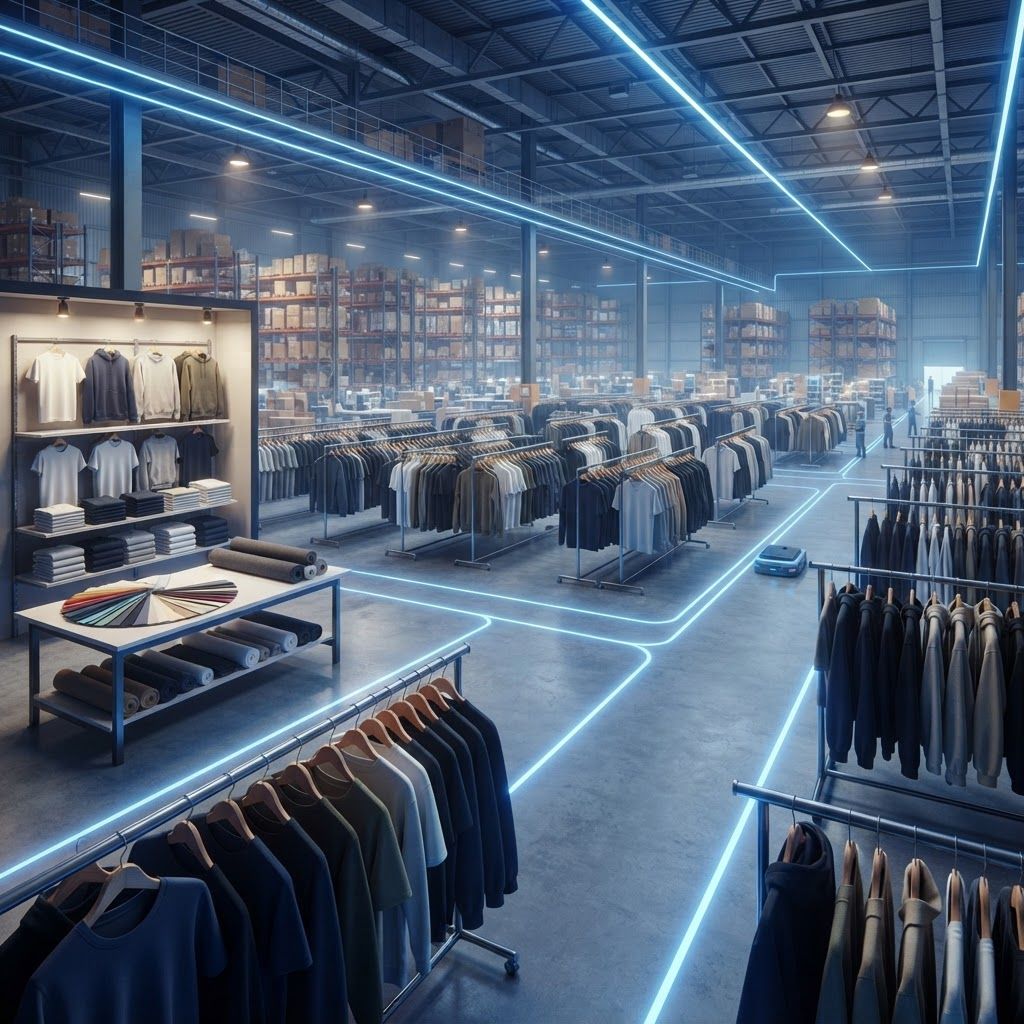
Clothing wholesale is a broader industry than the term suggests. It encompasses the workwear that keeps trades and hospitality staff properly equipped, the uniforms worn in schools across Kent, the protective clothing required on construction sites, the promotional garments carrying company branding, and the fashion stock that fills independent boutiques. Around Maidstone, a varied group of wholesalers, importers and garment decorators serves all of these needs, benefiting from the town's central position within the county and its convenient links to London and the Channel ports.
The sector has changed markedly in recent years. Employers now expect workwear that is comfortable enough to wear all day and presentable enough for customer-facing roles. Schools want durable, affordable uniform with reliable resupply through the year. Retailers face shorter fashion cycles and thinner margins, pushing them toward smaller, more frequent orders. And across all segments, questions about ethical sourcing and environmental impact have moved from optional to expected.
The Ten Leading Clothing Wholesalers
1. Maidstone Workwear Wholesale is the county town's principal trade clothing supplier, holding trousers, jackets, polo shirts, hi-visibility garments and safety footwear in depth across a wide size range. Its embroidery and printing service allows employers to receive branded garments ready to issue rather than coordinating separate decorators.
2. Medway Uniform Supplies concentrates on school and institutional uniform, supplying blazers, jumpers, shirts, skirts, sportswear and badges. Working directly with schools on specification, sizing events and in-year resupply solves the practical problem that uniform demand arrives in sharp seasonal peaks.
3. Kent Fashion Wholesale serves independent boutiques and online sellers with womenswear and menswear collections, offering mixed packs and flexible minimum quantities. That flexibility is what allows small retailers to test styles without committing to large inventory.
4. Invicta Promotional Clothing focuses on branded apparel for events, teams, charities and corporate use, combining garment supply with screen printing, embroidery and heat transfer. Reliable colour matching and consistent logo reproduction across garment types are the details that determine whether branded clothing looks professional.
5. Weald Protective Clothing Distribution supplies personal protective equipment including flame-resistant garments, chemical protection, waterproofs, gloves and eye protection, with the certification documentation that employers need for their own compliance records. Correct specification here is a legal responsibility rather than a preference.
6. Maidstone Hospitality and Catering Wear provides chef whites, aprons, front-of-house uniforms and housekeeping wear to restaurants, hotels and care settings across Kent. Fabrics chosen for industrial laundering and stain resistance make a substantial difference to garment lifespan in these environments.
7. Bearsted Sportswear Wholesale supplies teamwear, training kit, base layers and club apparel to sports clubs, schools and leisure operators. Numbering, name printing and squad ordering systems simplify what would otherwise be an administratively awkward purchase.
8. Kentish Sustainable Apparel specialises in organic cotton, recycled polyester and responsibly certified garments for brands and organisations with environmental commitments. Verified certification and transparent supply chain information are its core proposition rather than an afterthought.
9. Loose Valley Accessories and Headwear distributes caps, beanies, bags, scarves and belts, frequently supplied alongside branded clothing programmes. Accessories often carry higher margin for retailers and complete the look for corporate uniform schemes.
10. Boughton Garment Decoration and Fulfilment supports the whole local cluster with embroidery, printing, labelling, packing and direct dispatch. For online sellers, its ability to decorate and ship individual orders removes the need to hold decorated stock in every size and colour.
Trends in Wholesale Clothing
Sustainability has become the sector's most persistent theme. Buyers ask about fibre content, water and chemical use in dyeing, factory labour standards, packaging plastic and garment durability. Wholesalers who can supply certified organic or recycled ranges, provide credible audit information and offer plastic-free packaging increasingly win contracts on those grounds alone.
Inclusive sizing is another significant shift. Employers providing uniform have a practical and ethical obligation to fit their whole workforce comfortably, which has driven demand for extended size ranges, garments cut properly for women rather than scaled-down men's patterns, and maternity and modest options.
Comfort technology has migrated from sportswear into everyday workwear, bringing stretch fabrics, moisture management, lighter hi-visibility materials and better ventilation. Staff wear properly comfortable clothing consistently, which improves both safety compliance and appearance.
On-demand decoration and lower minimum quantities have transformed accessibility. Digital printing and automated embroidery have made short runs economical, meaning a small Maidstone business can order twenty branded garments rather than the several hundred once required.
Buying Wholesale Clothing Well
Start with samples. Fabric weight, cut, colour and stitching quality are difficult to judge from images, and a sample worn and laundered a few times reveals shrinkage, colour fastness and durability far better than a specification sheet. For uniform programmes, involve the people who will actually wear the garments.
Confirm sizing and continuity before committing. Ask whether a range will remain available for at least a couple of years, because replacing a discontinued uniform line mid-programme is expensive and inconsistent. Request a size set for fitting sessions rather than guessing.
Understand decoration properly. Embroidery suits heavier garments and lasts well, screen printing suits larger designs and higher volumes, and heat transfer suits performance fabrics and small runs. Discuss placement, sizing and thread or ink colour matching to your brand at the outset.
Check compliance where relevant. Protective clothing must meet applicable standards and be supplied with declarations of conformity, and garments for children carry additional safety considerations such as cord and drawstring requirements.
Finally, negotiate terms that reflect how you trade: account facilities, price breaks, sale-or-return arrangements for retail stock, storage of decorated inventory and reorder lead times. For seasonal businesses, agreeing capacity and pricing ahead of peak periods prevents unpleasant surprises.
A Practical Local Advantage
For employers, schools, clubs and retailers across Kent, buying clothing through Maidstone wholesalers offers real practical benefits: garments can be seen and handled before ordering, fitting sessions can be arranged locally, decoration is managed nearby, and urgent replacements arrive quickly. Combined with growing capability in sustainable ranges and inclusive sizing, the town's clothing wholesale sector serves the county efficiently and increasingly responsibly.
Want your brand featured in front of decision-makers? Publish a guest post or get a link insertion in our guides through AAMAX's guest post and link insertion service.
Helpful Links
 SponsoredAAMAX — Full-Service Digital Agency
Write for Us
Share your expertise with our readers. We welcome guest contributions from industry specialists.
Pitch your idea