Why Washing Matters More in Coastal Virginia
In South Norfolk, washing a vehicle is preventive maintenance rather than vanity. The borough sits on the Elizabeth River within a few miles of open salt water, and airborne salt settles on paint, chrome, brake components and undercarriage steel continuously. Combine that with heavy spring pollen, industrial particulate from port and rail activity, road grime from freight corridors and occasional tidal street flooding, and vehicles here accumulate a genuinely corrosive coating.
Regular washing, particularly of the undercarriage, measurably extends the life of brake and fuel lines, exhaust systems, suspension hardware and body panels. It also preserves resale value, since paint that has been protected and maintained looks years newer than neglected paint of the same age.
Understanding the Options
Car wash services range widely in cost, speed and care level. Express tunnels prioritize throughput. Full-service operations add interior cleaning. Self-service bays give complete control at minimal cost. Hand wash operations minimize the risk of paint marring. Detailing services correct existing defects and apply durable protection. Mobile providers bring service to the customer. Choosing correctly depends on the vehicle's condition, the owner's standards and available time.
1. Express Tunnel Car Washes
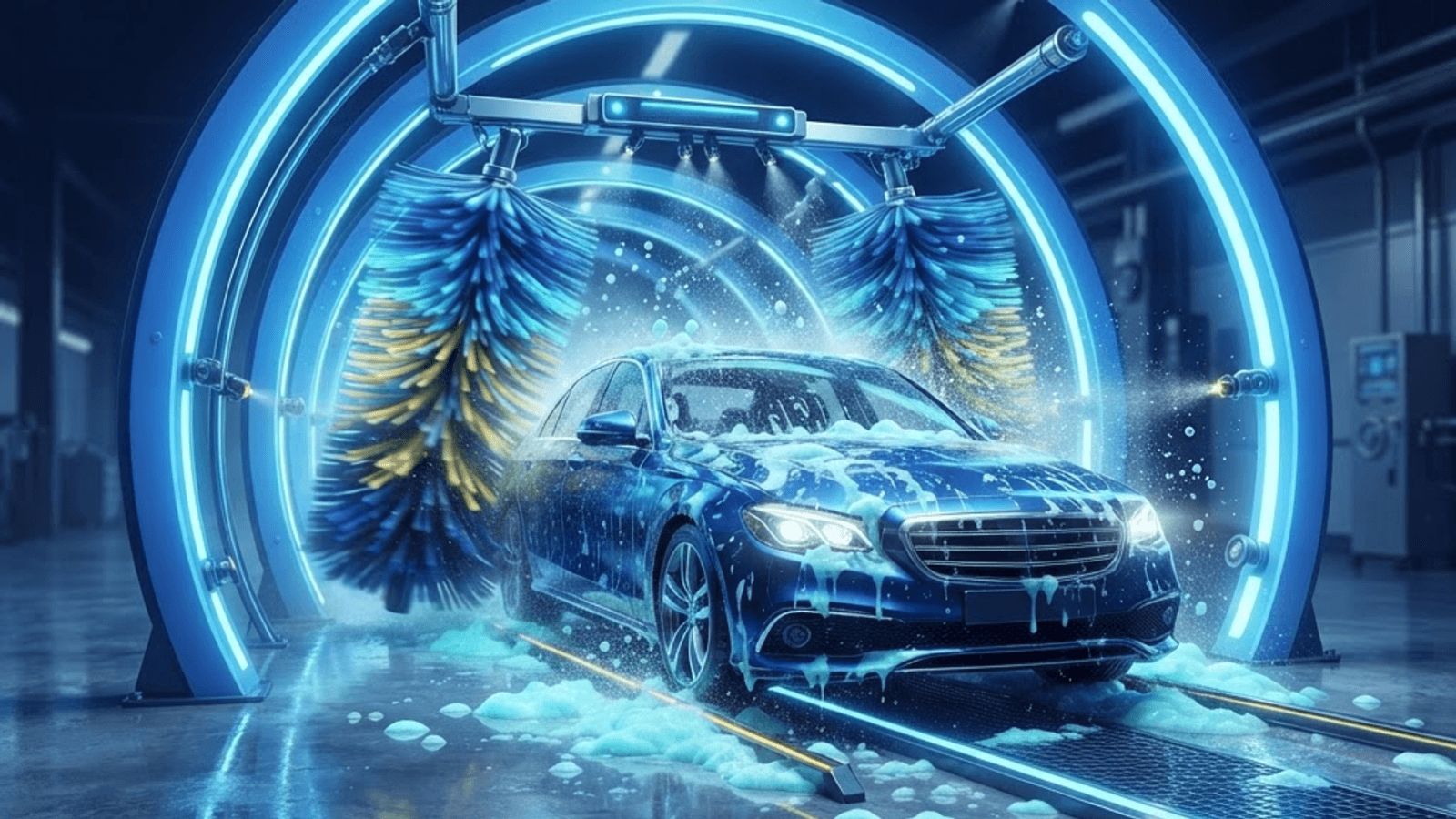
Express tunnels have become the dominant format nationally and are well represented across Chesapeake and Norfolk. Vehicles are pulled through on a conveyor while soft-cloth or brushless systems clean the exterior, typically in three to five minutes, followed by free self-service vacuums. Their advantages are speed, consistency, low cost and water recycling that uses far less fresh water than home washing. For frequent maintenance washing, particularly with an unlimited membership, express tunnels deliver the best cost per wash available.
2. Unlimited Wash Membership Programs
Monthly unlimited plans have transformed car wash economics. For roughly the price of two or three individual washes, members wash as often as they like, usually with license plate recognition for instant entry. In a coastal environment where washing weekly is genuinely beneficial, the value is substantial. Higher tiers add ceramic sealants, tire shine, undercarriage flush and rain repellent applications. Members should confirm whether plans work across multiple locations and how cancellation is handled.
3. Full-Service Car Washes
Full-service operations combine an exterior wash with interior work: vacuuming, window cleaning, dashboard and console wiping and door jamb attention, performed by staff while the customer waits. The format suits owners who want a complete result without spending an hour on it themselves. Upgrade menus typically include wax applications, carpet shampooing, leather conditioning and odor treatment. Consistency depends heavily on staffing, so establishing a relationship with a well-run location pays off.
4. Touchless and Brushless Automatic Washes
Touchless systems clean using high-pressure water and stronger detergents without any physical contact with the paint. Because nothing touches the surface, the risk of swirl marks and fine scratches is eliminated, which matters for dark paint, ceramic-coated finishes and newer vehicles. The tradeoff is reduced effectiveness on heavy, bonded contamination such as baked-on road film. Many owners alternate touchless washes for regular maintenance with occasional hand washing for deeper cleaning.
5. Self-Service Wash Bays
Coin and card-operated self-service bays give the user complete control at the lowest possible cost. Typical wands cycle through pre-soak, tire cleaner, high-pressure soap, foam brush, rinse and spot-free rinse or wax. For enthusiasts, self-service bays are the best way to perform a proper two-bucket wash with personal supplies, and the high-pressure undercarriage rinse available in most bays is one of the most effective corrosion prevention tools available in a salt-air climate. They are also the practical choice for oversized vehicles, trailers, motorcycles and work trucks with roof racks.
6. Hand Wash Services
Dedicated hand wash operations use microfiber mitts, grit guards, pH-neutral shampoo and careful drying technique to minimize paint marring. Attention extends to areas automatic systems miss: door jambs, fuel filler areas, badge surrounds, grille slats and wheel barrels. For luxury vehicles, classic cars, dark or single-stage paint and any finish the owner intends to keep flawless, hand washing is the correct approach despite higher cost and longer wait.
7. Mobile Car Wash and Detailing Services
Mobile providers arrive at a home or workplace with water tanks, generators and full equipment, cleaning the vehicle where it sits. The convenience factor is significant for shift workers, parents and anyone whose schedule makes a trip to a wash impractical. Waterless and low-water techniques allow service in apartment lots and garages where drainage is restricted. Providers range from basic wash operations to full detailing outfits, so scope and pricing should be confirmed in advance.
8. Professional Detailing Studios
Detailing goes well beyond cleaning into paint correction and protection. Services typically include clay bar decontamination, iron and tar removal, machine polishing to remove swirls and oxidation, sealant or wax application, interior deep extraction, leather cleaning and conditioning, engine bay cleaning and headlight restoration. A quality detail can dramatically improve the appearance of a vehicle with years of neglect and is frequently worthwhile before selling. Studios should be evaluated on before-and-after documentation and technician training rather than price alone.
9. Ceramic Coating and Paint Protection Specialists
Ceramic coatings are semi-permanent liquid polymer treatments that chemically bond to clear coat, creating a hard, hydrophobic surface. Benefits include easier cleaning, strong resistance to chemical etching from bird droppings and pollen, enhanced gloss and multi-year durability. Paint protection film adds physical impact resistance on high-strike areas such as front bumpers, hoods and mirrors. In a salt-air region with intense summer sun, these treatments deliver real protective value, though proper surface preparation determines results more than product brand.
10. Fleet and Commercial Wash Services
Businesses operating delivery vans, service trucks, drayage tractors and equipment need washing at scale. Commercial providers handle scheduled on-site fleet washing, often overnight, along with graphics-safe cleaning that preserves vinyl wraps, undercarriage decontamination and compliance with wastewater discharge regulations. For companies in South Norfolk's logistics and contracting sectors, clean branded vehicles function as advertising, and scheduled service prevents the corrosion that shortens fleet life.
How Often Should You Wash in This Climate
Every two weeks is a reasonable baseline for vehicles parked outdoors in coastal Virginia, with weekly washing preferable during heavy pollen season in spring and after any exposure to standing salt water. Undercarriage rinsing deserves particular priority after driving flooded streets, since salt water trapped in frame rails and suspension pockets causes disproportionate damage. Applying a sealant or wax every three to four months, or maintaining a ceramic coating, substantially reduces how quickly contamination bonds to paint.
Protecting Paint During Washing
Most swirl marks come from washing, not from driving. Avoid older brush-style automatic washes with stiff bristles. When washing by hand, use two buckets with grit guards, wash from top to bottom, and use separate mitts for wheels and paint. Dry with clean microfiber towels rather than allowing air drying, which leaves mineral spots. Never wash in direct sunlight on hot panels, as soap dries before it can be rinsed. Clean wheels first with a dedicated brush to avoid transferring brake dust to paint.
Environmental Considerations
Commercial car washes are typically better for the environment than driveway washing. They use engineered nozzles and water reclamation systems that consume a fraction of the fresh water, and their wastewater goes to treatment rather than into storm drains that discharge into the Elizabeth River and ultimately the Chesapeake Bay. For a region where water quality is a persistent public concern, choosing a facility with reclamation is a genuinely meaningful decision.
Final Thoughts
South Norfolk drivers can choose from fast express tunnels, cost-effective unlimited memberships, full-service operations, paint-safe touchless systems, hands-on self-service bays, careful hand washing, mobile convenience, professional detailing, ceramic coating specialists and commercial fleet services. Given the corrosive coastal environment, regular washing with attention to the undercarriage is one of the least expensive and most effective ways to protect a vehicle's value and mechanical integrity.
Want your brand featured in front of decision-makers? Publish a guest post or get a link insertion in our guides through AAMAX's guest post and link insertion service.
Helpful Links
 SponsoredAAMAX — Full-Service Digital Agency
Write for Us
Share your expertise with our readers. We welcome guest contributions from industry specialists.
Pitch your idea