Car Culture in the North West
Vehicle modification has deep roots in Derry City and Strabane. The district has a long-standing motorsport connection, an active car enthusiast community, and a practical modification tradition driven by agriculture, trades and rural use as much as by aesthetics. That combination produces an unusually broad customisation market: the same district supports show car builders, rally preparation, commercial van conversions, four-wheel drive off-road preparation and classic vehicle restoration.
Local conditions shape what modifications actually make sense. Lowered suspension that works beautifully on smooth urban roads becomes a liability on rural routes with poor surfaces and steep camber changes. Large-diameter wheels with minimal tyre sidewall are vulnerable to pothole damage. Meanwhile modifications that improve practicality in local conditions, including better lighting for unlit rural roads, protective coatings against salt corrosion and suspension upgrades that improve compliance rather than reduce it, deliver genuine everyday benefit.
Categories of Vehicle Customisation
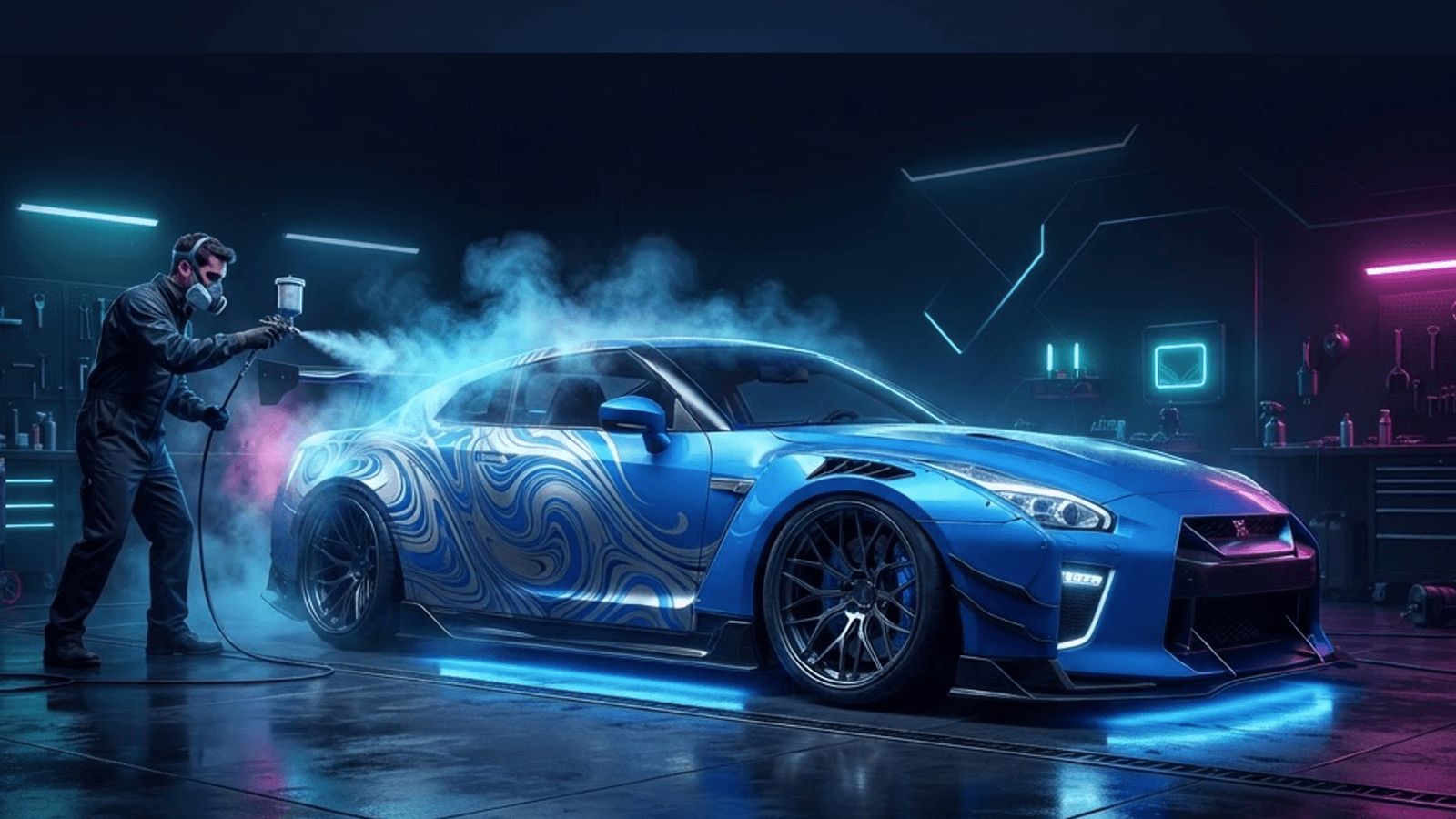
Cosmetic modification covers vinyl wrapping, paint work, body kits, spoilers, wheels, tinting and lighting. It is the most accessible entry point and, done well, transforms a vehicle's appearance without touching mechanical systems.
Performance modification addresses power, handling and braking: engine remapping, induction and exhaust changes, forced induction upgrades, suspension geometry and damping, brake upgrades and drivetrain work. This category requires genuine engineering competence, since increasing power without matching braking and suspension creates a dangerous vehicle.
Interior customisation includes upholstery retrimming, audio installation, dashboard modification, lighting and infotainment upgrades. Audio installation in particular has become highly sophisticated.
Functional conversion covers commercial van racking and shelving, camper conversions, wheelchair accessibility adaptation, towing preparation and off-road equipment. This is arguably the largest segment locally and the most practically useful.
Restoration is a distinct discipline focused on returning classic and historic vehicles to original or improved condition, requiring fabrication, paint and trim skills that are increasingly rare.
The Leading Customisation Specialists
1. Foyle Vehicle Styling
Vinyl wrapping has largely displaced respraying as the preferred method for changing a vehicle's colour, and specialists in this field deliver results that are reversible, protective of the underlying paint and available in finishes impossible to achieve with paint. Quality depends almost entirely on preparation and technique: proper surface decontamination, careful panel removal where needed, correct heat application and clean edge tucking. Well-executed wraps look factory-applied; poor ones lift and bubble within months. Established local operators also handle partial wraps, chrome deletes, roof wraps and commercial livery.
2. North West Performance Tuning
Engine management remapping is the most cost-effective performance modification available, extracting additional power and torque from turbocharged engines by revising fuelling, boost and timing parameters. Competent operators use rolling road dynamometer testing to verify results and monitor safety margins rather than applying generic files. The distinction matters enormously: a properly developed map on healthy hardware is reliable, while an aggressive generic file can damage an engine. Reputable tuners in the district also advise on supporting modifications and are honest about what a given engine can safely handle.
3. Derry Alloy Wheel Refurbishment and Supply
Wheels transform a vehicle's appearance more than almost any other single change, and local specialists cover both new wheel supply and refurbishment of damaged originals. Refurbishment involves stripping, repairing kerb damage and corrosion, and refinishing in the original or a custom colour, at a fraction of replacement cost. Given local road conditions, wheel damage is common and refurbishment is frequently the sensible option. Diamond cutting, powder coating and colour changes are all standard offerings.
4. Strabane Commercial Vehicle Conversions
Van conversion is a substantial market in the district, serving trades, delivery businesses, mobile services and increasingly leisure users. Commercial conversion covers racking and shelving systems, ply lining, flooring, roof racks and ladder systems, beacon and work lighting, internal power supply and security upgrades including deadlocks and alarms. Well-planned racking transforms a van's usability and directly improves a tradesperson's efficiency. Local specialists understand the trades and design layouts around actual working patterns rather than generic templates.
5. Campervan and Motorhome Conversion Specialists
Leisure vehicle conversion has grown enormously, and the North West's tourism appeal makes it particularly relevant locally. Full conversions involve insulation, ventilation, electrical systems including solar and battery banks, water and waste systems, gas installation, furniture fabrication and habitation certification. This is skilled, regulated work where safety compliance matters. Specialists who provide proper gas and electrical certification and understand vehicle weight limits deliver conversions that are legal, safe and insurable.
6. Off-Road and Four-Wheel Drive Preparation
The Sperrins, forestry tracks and agricultural terrain in the district create genuine demand for off-road preparation. Typical work includes suspension lifts, all-terrain tyre and wheel packages, underbody protection, winch installation, auxiliary lighting, snorkels and roll protection. Competent specialists balance capability against road manners and legality, since excessive lifts compromise handling and can affect roadworthiness. For working vehicles on farms and estates, this preparation is practical rather than cosmetic.
7. Foyle Car Audio and Electronics
In-car audio and electronics installation has become sophisticated, covering upgraded speakers and amplification, subwoofer enclosures built to fit specific vehicles, sound deadening that reduces road noise substantially, and integration with factory infotainment systems. Additional work includes reversing cameras, parking sensors, dashboard cameras, tracking systems and hands-free installations. Quality installation involves proper wiring practice, secure mounting and correct integration with vehicle electrical systems rather than improvised connections.
8. Upholstery and Interior Trim Specialists
Vehicle upholstery is a traditional craft skill that remains in demand for both customisation and restoration. Work includes seat retrimming in leather, alcantara or fabric, headlining replacement, carpet fitting, door card recovering, and repair of wear damage on bolsters and steering wheels. For classic vehicles, sympathetic retrimming in period-correct materials is essential to value. For modern vehicles, retrimming worn interiors is often more economical than replacement and dramatically improves the ownership experience.
9. Classic Vehicle Restoration Workshops
Restoration specialists undertake the most demanding work in the customisation field: metal fabrication and welding to replace corroded structure, panel beating, bare-metal preparation and painting, mechanical rebuilding, wiring loom replacement and trim restoration. The skills involved take years to acquire and are becoming scarce. In a district with a strong classic vehicle following, particularly for Irish and British marques and for vintage tractors and commercial vehicles, these workshops preserve significant local heritage.
10. Paint Protection and Finishing Specialists
Paint protection has become an important element of customisation, encompassing paint correction to remove swirl marks and restore gloss, paint protection film applied to vulnerable areas including front bumpers and sills, and ceramic coating for chemical resistance and easier cleaning. In the district's climate and on roads with substantial grit and salt, these treatments have genuine protective value. Specialists who correct paint properly before applying protection deliver far better results than those who coat over existing defects.
Trends in Vehicle Customisation
Wrapping has largely replaced painting for colour changes, offering reversibility, paint protection and finishes including satin, matte, chrome and colour-shift that paint cannot easily match. Print technology has also made complex commercial livery straightforward and affordable.
Electric vehicle modification is an emerging field. Because engine tuning is not applicable, focus has shifted to aesthetics, wheels, suspension, sound insulation and audio. Electric conversion of classic vehicles, retaining the body and interior while replacing the drivetrain, has attracted growing interest, though it remains expensive and divides opinion among enthusiasts.
Practical conversion has grown faster than cosmetic modification. Van conversions for trades and leisure, accessibility adaptations and towing preparation now represent the bulk of specialist work in many local workshops, reflecting real utility rather than fashion.
Compliance awareness has increased. Insurers require disclosure of modifications, roadworthiness testing checks lighting, tinting and structural changes, and certain modifications affect type approval. Reputable specialists now advise proactively on legality and insurance implications, which protects both parties.
Modifying Sensibly
Declare modifications to your insurer. Failure to disclose can invalidate cover entirely, leaving you liable for an entire claim. Most modifications carry modest premium increases; an undisclosed modification discovered after an incident can be catastrophically expensive.
Check legality before committing. Front window tinting beyond permitted light transmission, certain lighting configurations, excessive noise from exhaust systems and structural modifications all have legal limits. A specialist who tells you what is permissible is protecting you, not being obstructive.
Balance the vehicle as a system. Additional power demands adequate braking, suspension and tyres. Lowered suspension needs geometry correction. Larger wheels change effective gearing and speedometer accuracy. Piecemeal modification without considering the whole vehicle produces machines that are worse than standard.
Consider resale honestly. Heavily personalised vehicles appeal to a narrow market, and modification costs are rarely recovered on sale. Reversible modifications including wraps, wheels and bolt-on parts that can be swapped back preserve value far better than permanent alterations.
Choose specialists on evidence. Ask to see completed work, ideally in person rather than in photographs. Request references. Check what guarantees are offered on workmanship. The customisation trade in Derry City and Strabane contains genuine craftspeople with decades of skill, and taking time to find them produces results that are both better and, over the long term, cheaper than remedying poor work.
Want your brand featured in front of decision-makers? Publish a guest post or get a link insertion in our guides through AAMAX's guest post and link insertion service.
Helpful Links
 SponsoredAAMAX — Full-Service Digital Agency
Write for Us
Share your expertise with our readers. We welcome guest contributions from industry specialists.
Pitch your idea