Why Physiotherapy Has Become First-Line Treatment
The evidence base for physiotherapy has strengthened considerably over the past two decades, and clinical guidance now positions structured exercise and manual therapy ahead of imaging, injection or surgery for most musculoskeletal complaints. Persistent low back pain, shoulder impingement, knee osteoarthritis, tendinopathy and neck pain all respond better to progressive loading and education than to rest or passive treatment alone.
That shift matters greatly in Lisburn and Castlereagh, where the population includes a substantial manual and industrial workforce alongside a large number of desk-based employees and an active sporting community across rugby, Gaelic games, football, hockey, running and cycling. Each group presents differently: repetitive lifting injuries and vibration exposure in one, postural neck and shoulder complaints in another, and acute sporting injuries in a third.
What Effective Physiotherapy Involves
Good physiotherapy begins with a proper assessment, including history, functional testing, movement analysis and screening for conditions requiring medical referral. It produces a working diagnosis and, crucially, an explanation the patient understands, because comprehension of what is happening and why it hurts substantially influences recovery.
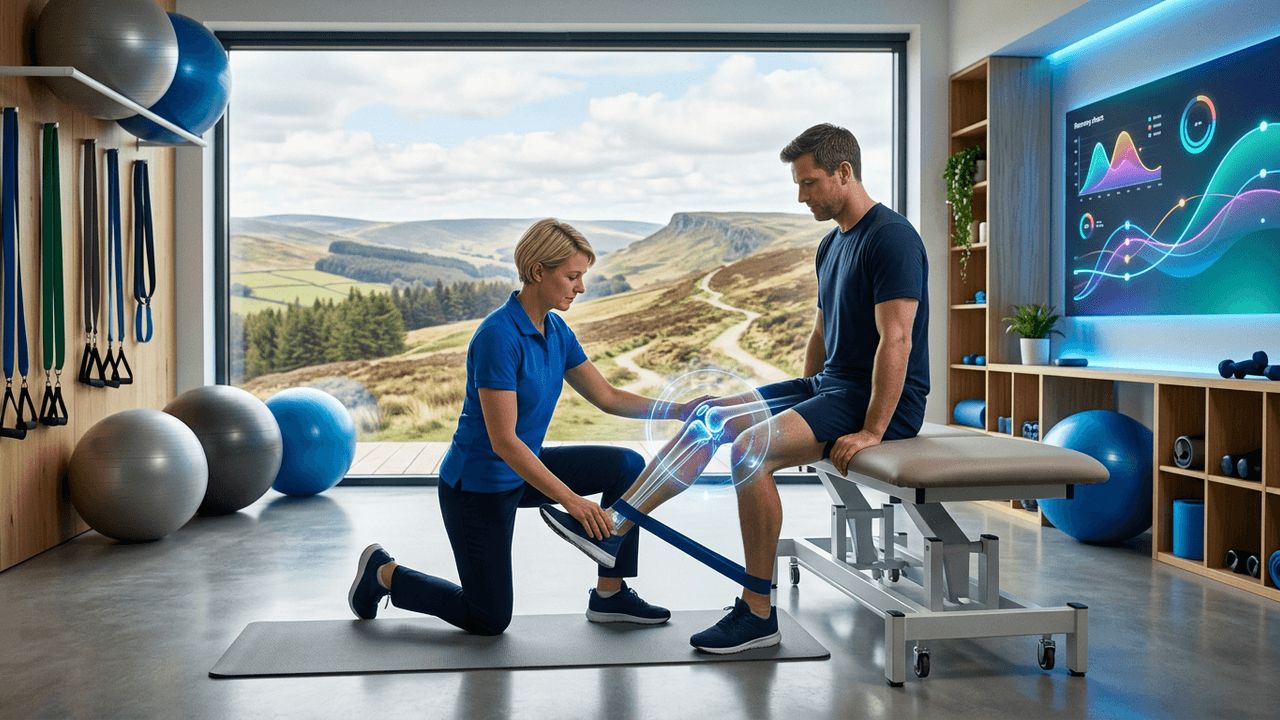
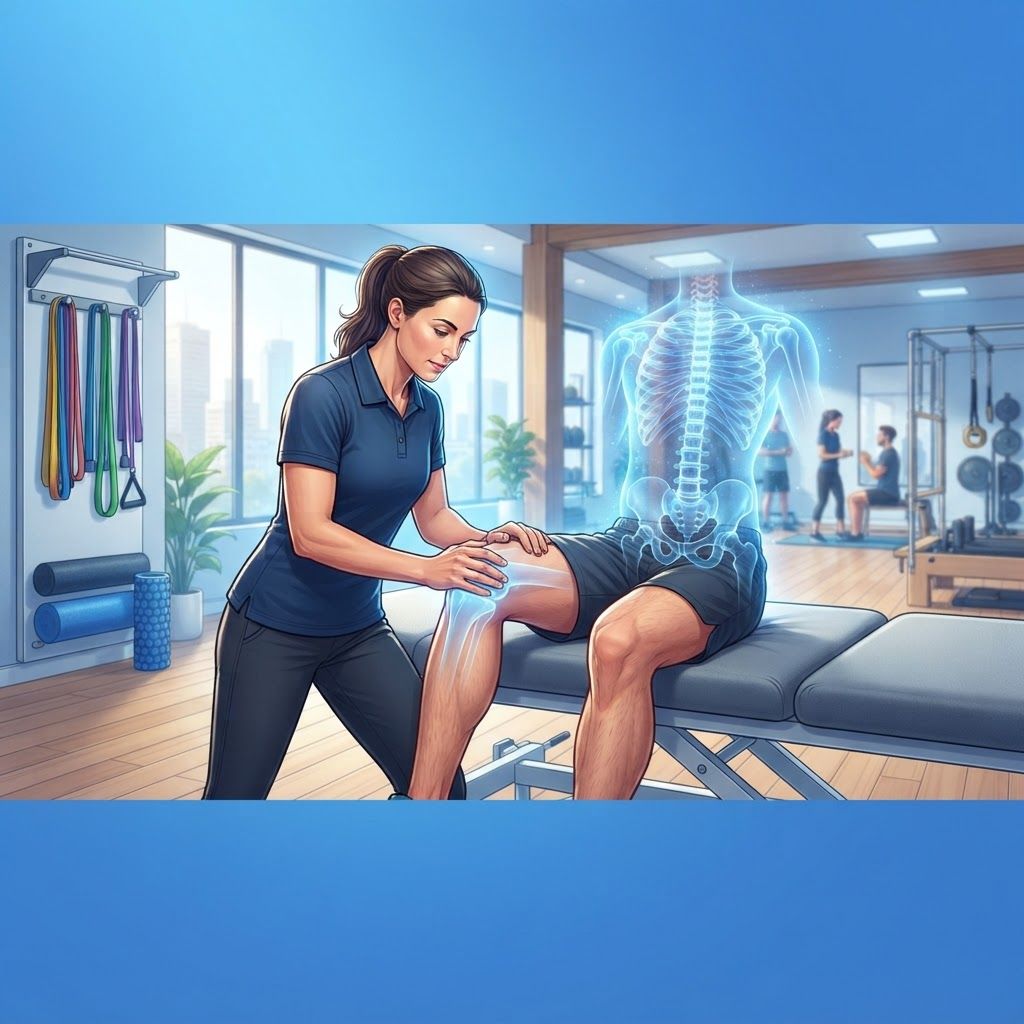
Treatment should be active rather than passive. Manual therapy, massage, taping and electrotherapy may relieve symptoms in the short term, but sustained improvement comes from progressive strengthening, load management, mobility work and graded return to activity. A physiotherapist who provides a clear home programme, adjusts it based on response and sets measurable goals is delivering far more value than one offering repeated hands-on sessions without progression.
The Top 10 Physiotherapy Centres Serving Lisburn and Castlereagh
1. Lagan Valley Physiotherapy Clinic. One of the most established practices in the area, offering comprehensive musculoskeletal assessment and treatment with a strong exercise rehabilitation focus. Their on-site gym allows supervised progression rather than home exercises given on a sheet, and their reporting to referring general practitioners is thorough.
2. Castlereagh Sports Injury Centre. Specialists in sporting injury management, working with local clubs across several codes. Their services span acute injury assessment, return to play testing, strength and conditioning and injury prevention screening, and they are experienced in coordinating with coaches on realistic return timelines.
3. Hillsborough Spinal Rehabilitation. A clinic concentrating on back and neck conditions, including persistent pain, disc-related symptoms and post-surgical spinal rehabilitation. Their programmes combine graded exercise with pain education, which evidence supports strongly for chronic presentations where fear of movement often perpetuates disability.
4. Moira Musculoskeletal Practice. A general musculoskeletal clinic serving the western villages, treating the full range of joint, muscle and tendon problems. Continuity is a strength, with patients typically seeing the same clinician throughout a course of treatment, which allows genuine progression rather than repeated reassessment.
5. Dundonald Post-Surgical Rehabilitation. Focused on recovery following orthopaedic surgery, including joint replacement, ligament reconstruction and shoulder repair. Their protocols align closely with surgical guidance on loading timelines, and they coordinate with surgeons where recovery deviates from the expected pattern.
6. Carryduff Women's Health Physiotherapy. Specialists in pelvic health, treating pelvic floor dysfunction, postnatal recovery, abdominal separation, incontinence and pelvic pain. These conditions are common, frequently unreported through embarrassment and highly treatable, making a dedicated service particularly valuable.
7. Blaris Occupational Physiotherapy. Providing workplace injury management, ergonomic assessment, functional capacity evaluation and structured return to work programmes for local employers. Their approach reduces sickness absence duration by addressing both the physical problem and the job demands the employee must return to.
8. Ravenhill Neurological Physiotherapy. Dedicated to rehabilitation following stroke, and for conditions such as Parkinson's disease, multiple sclerosis and acquired brain injury. Their focus on balance, gait, functional independence and falls prevention makes a substantial difference to quality of life and confidence.
9. Forthriver Paediatric Physiotherapy. Treating children with developmental delay, coordination difficulties, hypermobility, gait abnormalities and sports injuries in growing athletes. Their clinicians understand growth-related conditions and involve parents directly in home programmes to support consistency.
10. Knockmore Hydrotherapy and Aquatic Rehabilitation. Offering water-based rehabilitation, which allows movement with reduced joint loading. This suits patients with severe arthritis, early post-operative recovery or significant pain sensitivity who cannot yet tolerate land-based exercise, providing a bridge into conventional rehabilitation.
Trends in Physiotherapy Practice
Exercise-led rehabilitation has firmly displaced passive modalities as the core of treatment, with strength training now recognised as beneficial even for painful and degenerative conditions rather than something to avoid. Pain science education has become central, particularly for persistent pain where the relationship between tissue damage and symptom severity is weak.
Direct access has expanded considerably, with most patients now able to self-refer to physiotherapy without seeing a general practitioner first, which shortens the path to treatment meaningfully. Telehealth has also established a permanent role for exercise progression and review, complementing rather than replacing hands-on assessment. Advanced practice physiotherapists increasingly manage musculoskeletal caseloads formerly seen in orthopaedic clinics.
How to Choose a Physiotherapist
Confirm registration with the Health and Care Professions Council and membership of the Chartered Society of Physiotherapy, as these establish baseline qualification and professional accountability. Ask about specialisation, since pelvic health, neurological rehabilitation and paediatrics require genuinely different expertise from general musculoskeletal work.
Enquire what a typical treatment plan looks like and how progress is measured. A clinician who sets functional goals and reassesses against them is more likely to help than one offering open-ended treatment. Be somewhat cautious of practitioners recommending long courses of purely passive treatment, and clarify session costs, expected number of sessions and whether facilities such as a gym or pool are included.
Final Thoughts
Physiotherapy provision across Lisburn and Castlereagh covers general musculoskeletal care, sports injury, spinal rehabilitation, post-surgical recovery, pelvic health, occupational injury, neurological rehabilitation, paediatrics and aquatic therapy. Because most musculoskeletal problems respond best to early, active, well-explained rehabilitation, seeking assessment promptly rather than waiting for symptoms to settle is usually the single most effective decision a patient can make.
Want your brand featured in front of decision-makers? Publish a guest post or get a link insertion in our guides through AAMAX's guest post and link insertion service.
Helpful Links
 SponsoredAAMAX — Full-Service Digital Agency
Write for Us
Share your expertise with our readers. We welcome guest contributions from industry specialists.
Pitch your idea