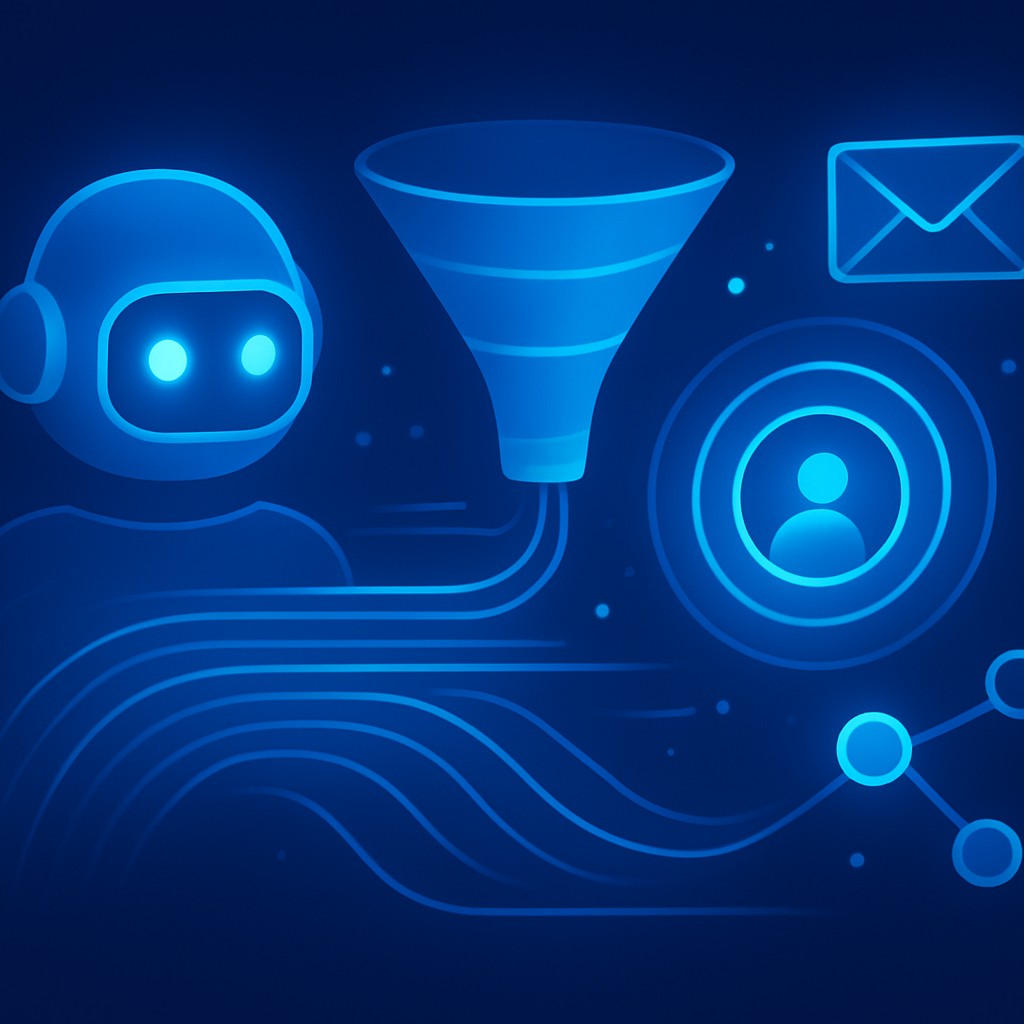
Digital marketing has become too complex and fast-moving for manual effort alone. Audiences expect personalized experiences across dozens of touchpoints, and the volume of data generated by every campaign is staggering. Artificial intelligence brings order to this complexity. It analyzes data at scale, predicts behavior, and automates execution so marketers can focus on strategy and creativity. Knowing how to use AI across digital channels is now a core skill for any competitive marketing team.
Why Brands Choose AAMAX.CO for AI Marketing
Implementing artificial intelligence across multiple channels can feel overwhelming, which is why many organizations partner with AAMAX.CO. Their specialists help businesses identify where AI will deliver the most value and then build the systems to make it happen. As a full-service digital marketing company serving clients around the globe, they combine automation, analytics, and creative expertise to drive growth. They also help brands prepare for the next frontier through generative engine optimization, ensuring visibility in AI-powered discovery experiences as well as traditional channels.
AI in Search Marketing
Search remains a cornerstone of digital marketing, and AI has transformed how it works. Machine learning interprets user intent, so optimizing for meaning matters more than matching exact keywords. AI tools help marketers discover content opportunities, predict keyword trends, and structure pages so search engines and AI overviews can understand them clearly.
On the paid side, AI automates bidding, budget allocation, and audience targeting in real time. These systems learn which combinations of keywords, creatives, and placements perform best, then optimize continuously to maximize return on ad spend.
Personalization Across Channels
Personalization is where AI delivers some of its most visible impact. By analyzing behavior, preferences, and purchase history, AI tailors content to each individual. Websites can display dynamic recommendations, emails can adjust their messaging automatically, and ads can follow users with relevant offers based on their journey.
This level of personalization once required massive manual effort. Today, AI makes it possible to treat each customer as an individual at scale, which dramatically improves engagement, conversion rates, and customer satisfaction.
Smarter Email and Lifecycle Marketing
Email remains one of the highest-return digital channels, and AI makes it sharper. Machine learning determines the best send times, predicts which subject lines will earn opens, and segments audiences based on real behavior. Automated lifecycle campaigns nurture leads with the right message at each stage, from first contact through repeat purchase.
AI also identifies customers at risk of disengaging and triggers re-engagement campaigns before they churn. This proactive approach protects revenue and strengthens long-term relationships.
Content Creation and Optimization
Creating enough high-quality content to feed every channel is a constant challenge. AI assists by generating ideas, drafting copy, and optimizing existing material for clarity and engagement. Natural language tools analyze tone, readability, and sentiment, helping marketers refine their messaging.
The most effective teams use AI to amplify human creativity rather than replace it. Strategic thinking, brand voice, and emotional resonance still require human judgment. AI handles the heavy lifting of research and iteration so creators can focus on what makes content memorable.
Social Media and Conversational Marketing
On social platforms, AI analyzes engagement patterns, recommends optimal posting schedules, and identifies trending topics. It can monitor brand sentiment across millions of conversations, alerting teams to opportunities and risks in real time.
Conversational marketing has also been transformed by AI. Chatbots and virtual assistants engage visitors instantly, answer questions, and guide them toward conversion. Available around the clock, these tools provide responsive service that meets modern expectations for immediacy.
Analytics and Predictive Insights
Perhaps the greatest advantage of AI is its analytical power. Machine learning processes enormous datasets to reveal patterns humans would miss. Predictive analytics forecast which campaigns will succeed, which customers are most valuable, and where budgets should be allocated for maximum impact.
This shifts marketing from reactive to proactive. Instead of analyzing what already happened, teams can anticipate what will happen and act accordingly, gaining a significant competitive edge.
Building an AI-Ready Marketing Stack
To use AI effectively, businesses need clean, well-organized data and integrated tools that share information seamlessly. Start by identifying high-impact use cases, such as personalization or predictive lead scoring, then choose platforms that fit your existing workflow. Train your team to interpret AI insights and combine them with human judgment.
Adoption should be gradual and measured. Test, learn, and expand based on results. The goal is not to automate everything but to apply intelligence where it creates the most value while keeping strategy firmly in human hands.
Conclusion
Artificial intelligence has become indispensable across every dimension of digital marketing. It powers smarter search, deeper personalization, sharper email, faster content, and predictive insight that guides better decisions. The brands that win are those that integrate AI thoughtfully, using it to enhance human creativity and strategy rather than replace them. By building an AI-ready marketing stack and applying these tools where they matter most, businesses can deliver exceptional experiences and sustainable growth.
Want your brand featured in front of decision-makers? Publish a guest post or get a link insertion in our guides through AAMAX's guest post and link insertion service.
Helpful Links
 SponsoredAAMAX — Full-Service Digital Agency
Write for Us
Share your expertise with our readers. We welcome guest contributions from industry specialists.
Pitch your idea