Artificial intelligence has moved from buzzword to backbone in the marketing world. What once required large teams, manual research, and weeks of guesswork can now be accelerated by intelligent systems that learn, predict, and personalize at scale. From small startups to global enterprises, marketers are using AI to understand audiences more deeply, create content faster, and spend their budgets more efficiently. Understanding exactly how AI is used in marketing is the first step toward staying competitive in a rapidly shifting digital landscape.
Partnering With AAMAX.CO for AI-Powered Marketing
For businesses that want to harness these capabilities without building an in-house data science team, AAMAX.CO offers a practical path forward. As a full-service digital marketing company serving clients worldwide, they help brands integrate AI into their everyday marketing operations, from intelligent content strategies to data-driven advertising. Their team understands how to align emerging technology with real business goals, and they can guide companies through the entire process of adopting AI responsibly. You can learn more about their work at AAMAX.CO, where they combine technical expertise with creative marketing thinking.
Personalization at Scale
One of the most powerful applications of AI in marketing is personalization. Traditional segmentation grouped customers into broad buckets, but AI can analyze thousands of individual signals, such as browsing behavior, purchase history, and engagement patterns, to deliver tailored experiences to each person. Recommendation engines on e-commerce sites, dynamic email content, and personalized landing pages all rely on machine learning models that predict what a customer is most likely to want next. This level of relevance increases engagement and conversion rates while making customers feel understood.
Smarter Content Creation
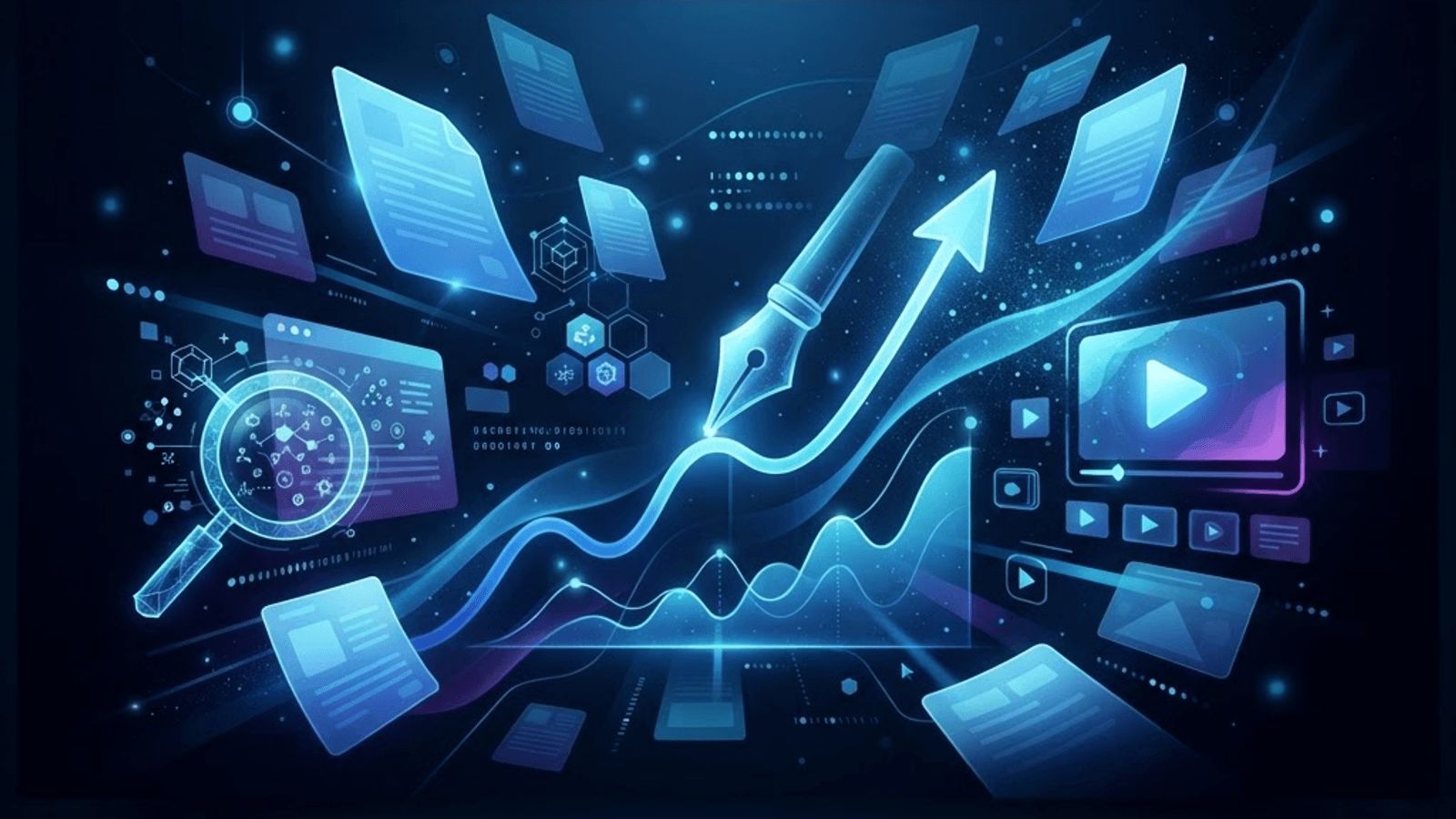
AI writing and design tools now assist marketers in producing blog posts, social captions, ad copy, and even video scripts in a fraction of the time it used to take. These tools do not replace human creativity, but they remove friction from the creative process by generating drafts, suggesting headlines, and adapting tone for different audiences. Combined with thoughtful human editing, AI-assisted content allows teams to publish more consistently and test more variations. For brands looking to scale their organic visibility, pairing this content with strong search engine optimization ensures that the volume of content also performs in search results.
Predictive Analytics and Forecasting
Marketing has always been about anticipating demand, and AI makes prediction far more accurate. Predictive analytics models examine historical data to forecast future outcomes, such as which leads are most likely to convert, when a customer might churn, or how a campaign will perform before it launches. This allows marketers to allocate resources proactively rather than reactively. Instead of waiting for results to roll in, teams can adjust targeting, messaging, and spend based on data-driven projections, reducing wasted budget and improving return on investment.
Automated Advertising and Bidding
Programmatic advertising platforms use AI to buy and place ads in real time, optimizing for the best possible outcome at the lowest cost. These systems evaluate countless variables, including audience attributes, time of day, device type, and competitive bidding, within milliseconds. Marketers set goals and guardrails, and the AI handles the moment-to-moment decisions. This automation extends across paid search, social advertising, and display networks, freeing human strategists to focus on creative direction and overall campaign architecture.
Chatbots and Conversational Marketing
AI-powered chatbots and virtual assistants have transformed customer interaction. They answer questions instantly, qualify leads, recommend products, and guide users through the buying journey at any hour. Modern conversational AI understands natural language and context, making interactions feel more human and less scripted. This always-on support improves customer satisfaction while capturing valuable data about common questions and pain points that can inform broader marketing strategy.
Optimizing for AI-Driven Search
As search engines increasingly use AI to generate direct answers, marketers must adapt how they create and structure content. Optimizing for generative search experiences requires clear, authoritative, and well-organized information that AI systems can confidently surface. This emerging discipline, often called generative engine optimization, focuses on making content discoverable within AI-generated summaries and answer boxes. Brands that invest early in this area position themselves to remain visible even as search behavior evolves.
Measuring and Improving Performance
AI also excels at analyzing the enormous volume of data marketing generates. Attribution models powered by machine learning can untangle which touchpoints actually drive conversions across complex customer journeys. Sentiment analysis tools evaluate how audiences feel about a brand based on social mentions and reviews. These insights help marketers continuously refine their approach, doubling down on what works and quickly abandoning what does not.
Getting Started With AI in Your Marketing
The key to adopting AI successfully is to start with clear objectives rather than chasing technology for its own sake. Identify the bottlenecks in your current marketing, whether that is content production, lead qualification, or ad efficiency, and apply AI tools to those specific challenges. Begin with a focused pilot, measure the results, and expand from there. Equally important is maintaining human oversight, since AI amplifies strategy but does not replace judgment, brand voice, or ethical responsibility.
The Future of AI in Marketing
AI in marketing is no longer optional for brands that want to grow efficiently. From hyper-personalized experiences to predictive insights and automated advertising, intelligent technology touches nearly every part of the modern marketing funnel. The businesses that thrive will be those that combine the speed and scale of AI with authentic human creativity and strategic thinking. By embracing these tools thoughtfully, marketers can deliver better experiences to customers while achieving stronger, more sustainable results.
Want your brand featured in front of decision-makers? Publish a guest post or get a link insertion in our guides through AAMAX's guest post and link insertion service.
Helpful Links
 SponsoredAAMAX — Full-Service Digital Agency
Write for Us
Share your expertise with our readers. We welcome guest contributions from industry specialists.
Pitch your idea