Few topics generate as much debate as the impact of artificial intelligence on the job market. Some predict widespread displacement as machines take over routine tasks, while others argue that AI will create more jobs than it eliminates by unlocking new industries and roles. The truth lies somewhere in between, and understanding it requires looking at how AI changes the nature of work itself rather than simply counting jobs gained or lost.
Hire AAMAX.CO to Navigate the AI-Driven Workforce Shift
As AI reshapes the job market, organizations need partners who understand both the technology and the marketing landscape it is transforming. AAMAX.CO is a full-service digital marketing company serving clients worldwide, helping businesses adapt their messaging, recruitment branding, and online presence to a workforce in transition. Their team supports companies with digital marketing strategies that communicate value to both customers and prospective talent. As automation changes how teams operate, they help businesses tell a compelling story about how they use AI responsibly and effectively.
Automation and Task Displacement
The most visible effect of AI on employment is the automation of repetitive, rule-based tasks. Activities such as data entry, basic customer service, and routine document processing are increasingly handled by intelligent software. This does not always mean entire jobs disappear. More often, specific tasks within a role are automated, freeing workers to focus on higher-value activities that require creativity, empathy, and complex judgment.
History offers useful perspective here. Previous waves of technological change, from the industrial revolution to the rise of personal computing, displaced certain jobs while creating entirely new categories of work. AI appears to be following a similar pattern, though at a faster pace and reaching into knowledge work that was previously considered immune to automation.
New Roles and Emerging Careers
While AI eliminates some tasks, it also generates demand for new skills and professions. Roles such as machine learning engineer, data scientist, AI ethics specialist, and prompt engineer barely existed a decade ago. Beyond these technical positions, there is growing demand for professionals who can bridge the gap between AI capabilities and business needs, translating technical possibilities into practical strategies.
Importantly, many of the most valuable emerging roles combine human and machine strengths. AI handles data processing and pattern recognition at scale, while humans provide context, ethics, and creative direction. This collaboration model suggests that the future of work is not humans versus machines but humans working alongside intelligent tools.
The Changing Skill Landscape
AI is reshaping which skills are most valuable in the labor market. Technical literacy is increasingly important, but so are uniquely human capabilities such as critical thinking, emotional intelligence, and adaptability. As routine tasks are automated, the ability to solve novel problems, communicate persuasively, and lead teams becomes a key differentiator.
This shift places a premium on continuous learning. Workers who regularly update their skills and embrace new tools are better positioned to thrive. Organizations that invest in reskilling and upskilling their employees not only retain talent but also build more resilient and adaptable teams capable of evolving with the technology.
Industry-Specific Impacts
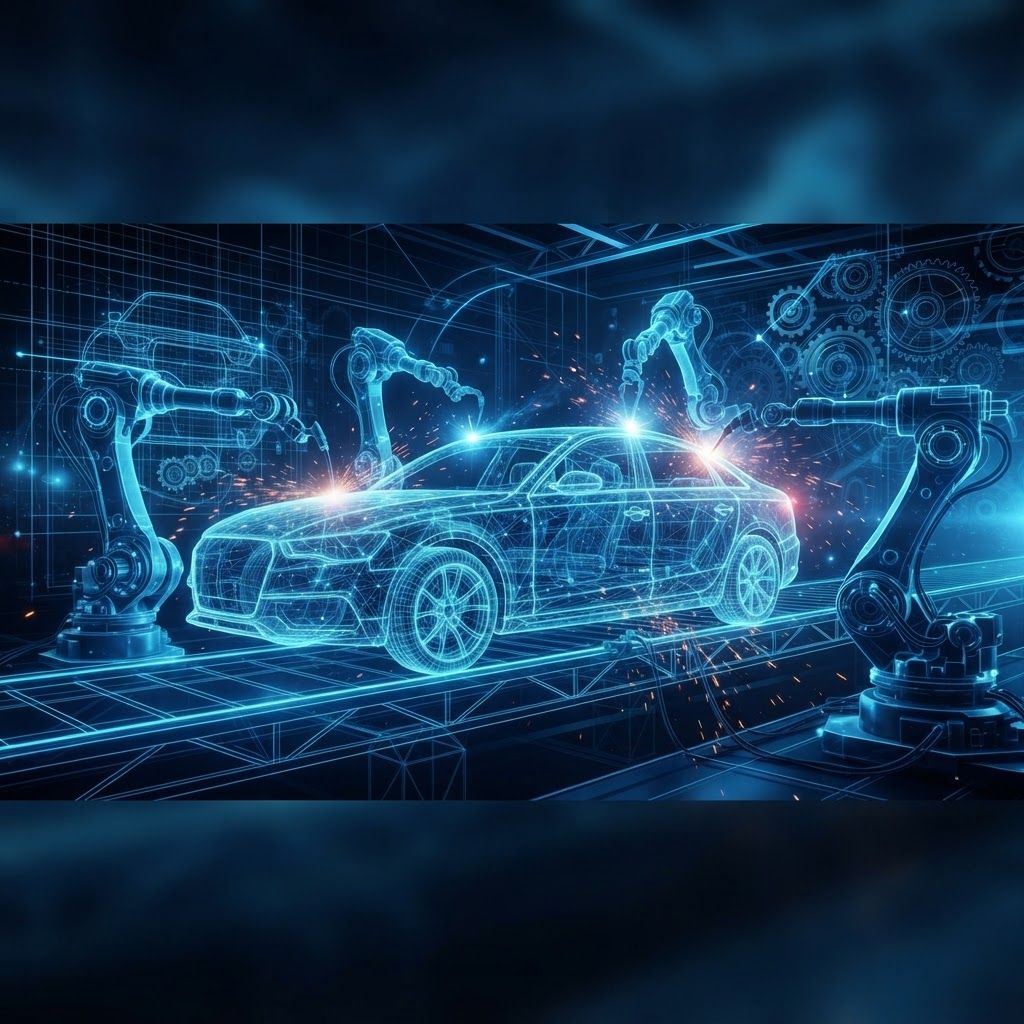
The effect of AI on jobs varies significantly by industry. In manufacturing and logistics, robotics and automation are transforming physical work. In professional services such as law, accounting, and consulting, AI accelerates research and analysis, changing how professionals spend their time. In creative fields, generative tools are augmenting the work of designers, writers, and marketers rather than replacing them outright.
Customer-facing industries are experiencing a blend of automation and augmentation. Chatbots handle routine inquiries while human agents focus on complex or emotionally sensitive interactions. This division of labor often improves both efficiency and customer satisfaction, demonstrating how thoughtful AI deployment can enhance rather than diminish the human element.
Addressing the Risks of Inequality
One of the most serious concerns about AI in the job market is the potential to widen inequality. Workers in routine roles may face displacement faster than they can retrain, while those with advanced skills capture growing rewards. Without proactive measures, this dynamic could deepen economic divides between regions, industries, and demographic groups.
Addressing this challenge requires coordinated action from governments, educational institutions, and employers. Investing in accessible education, supporting career transitions, and ensuring that the benefits of AI are broadly shared will determine whether the technology lifts the workforce as a whole or leaves significant segments behind.
Preparing for the Future of Work
Both individuals and organizations can take concrete steps to prepare for an AI-influenced job market. Workers should cultivate adaptability, develop complementary skills that machines cannot easily replicate, and stay curious about emerging tools. Employers should view AI as a means of augmenting their workforce, designing roles that combine human judgment with machine efficiency.
Ultimately, the impact of artificial intelligence on the job market is not predetermined. It will be shaped by the choices that businesses, policymakers, and individuals make in the coming years. Those who approach the transition thoughtfully, with an emphasis on learning and collaboration, are far more likely to find opportunity than disruption in the age of intelligent machines.
Want your brand featured in front of decision-makers? Publish a guest post or get a link insertion in our guides through AAMAX's guest post and link insertion service.
Helpful Links
 SponsoredAAMAX — Full-Service Digital Agency
Write for Us
Share your expertise with our readers. We welcome guest contributions from industry specialists.
Pitch your idea