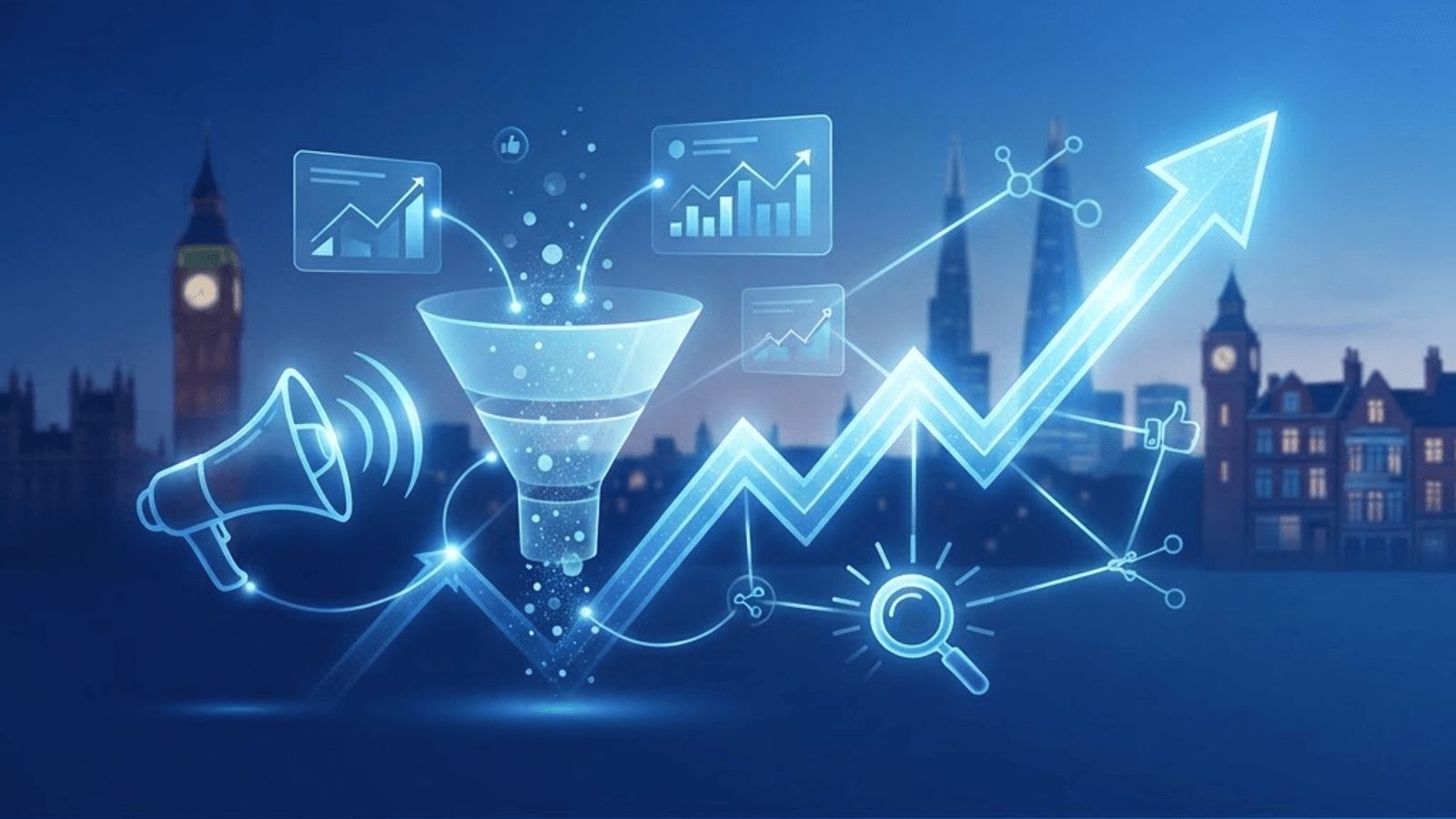
Artificial intelligence has shifted from a buzzword to a core part of how modern companies plan, execute, and measure marketing. Instead of relying on gut feeling and manual guesswork, brands now use AI to understand audiences, generate content, optimize spend, and predict what customers will do next. The result is marketing that is faster, more personalized, and far more accountable. Whether a business is a scrappy startup or a global enterprise, AI is quietly reshaping the entire customer journey behind the scenes.
Work With AAMAX.CO to Put AI Marketing Into Practice
Adopting AI in marketing sounds straightforward, but turning it into measurable growth takes strategy, tooling, and execution. AAMAX.CO is a full-service digital marketing company that helps businesses worldwide do exactly that. Their team blends AI-driven insights with hands-on campaign management, so companies can launch smarter campaigns without building an in-house data science department. From AI-assisted content to performance optimization, they help brands translate emerging technology into real revenue, and their digital marketing services are built to scale with each client.
Hyper-Personalization at Scale
One of the biggest ways companies use AI in marketing is personalization. Machine learning models analyze browsing behavior, purchase history, and engagement signals to tailor messaging to each individual. Instead of sending one newsletter to an entire list, brands now deliver dynamic content where product recommendations, subject lines, and even imagery change based on who is viewing them. Streaming platforms, e-commerce stores, and SaaS companies all rely on these recommendation engines to keep customers engaged and increase average order value.
Content Creation and Creative Production
Generative AI has transformed how marketing teams produce content. Companies use AI tools to draft blog posts, write ad copy, brainstorm campaign concepts, generate images, and repurpose long-form content into dozens of social snippets. This does not replace human creativity, but it removes the blank-page problem and dramatically speeds up production. A marketer can now generate ten ad variations in minutes, test them, and let the data decide which performs best. The time saved is reinvested into strategy and brand storytelling.
Predictive Analytics and Lead Scoring
AI excels at finding patterns in large datasets that humans would miss. Companies feed customer data into predictive models that forecast churn, identify high-value prospects, and score leads based on their likelihood to convert. Sales and marketing teams then focus their energy on the contacts most likely to buy, rather than spreading effort evenly across every name in the database. This predictive layer turns marketing from a reactive function into a proactive growth engine.
Smarter Advertising and Budget Optimization
Modern ad platforms are powered by AI under the hood. Companies use automated bidding, audience expansion, and creative testing to squeeze more performance out of every dollar. AI continuously reallocates budget toward the channels, audiences, and creatives that deliver the best return, making decisions in real time that no human could match. This means campaigns improve while they run, instead of waiting for a monthly review.
Conversational Marketing and Chatbots
AI chatbots and virtual assistants now handle a large share of customer interactions. They answer common questions, qualify leads, recommend products, and guide users toward a purchase, all without human involvement. Because these systems are available around the clock, companies capture intent the moment it appears instead of losing prospects to slow response times. Advanced conversational AI can even adjust its tone and suggestions based on the customer's history.
Search and Discovery Optimization
As search behavior evolves toward AI-powered engines and voice assistants, companies are rethinking how they get discovered. AI tools help identify search intent, cluster keywords, and optimize content so it surfaces in both traditional results and AI-generated answers. Forward-thinking brands invest in generative engine optimization to make sure their content is the source AI systems cite when answering user questions.
Measuring What Actually Works
Perhaps the most underrated use of AI is in analytics and attribution. AI models stitch together fragmented data across channels to reveal which touchpoints truly drive conversions. This helps companies stop wasting money on vanity metrics and double down on what moves the needle. Automated reporting also frees marketers from spreadsheets, surfacing insights and anomalies automatically so teams can act faster.
The Human Element Still Matters
Despite all this automation, the most successful companies treat AI as an amplifier, not a replacement. Strategy, brand voice, empathy, and creative judgment remain deeply human. AI handles the heavy lifting of data processing and repetitive production, while people set direction and ensure the brand stays authentic. The winning formula is a partnership between intelligent tools and skilled marketers.
Getting Started the Right Way
For companies just beginning their AI journey, the smartest move is to start with a clear goal, whether that is improving conversion rates, scaling content, or sharpening targeting. From there, choosing the right tools and partners makes all the difference. With expert guidance, businesses can adopt AI confidently, avoid common pitfalls, and build a marketing engine that compounds results over time. AI in marketing is no longer optional, but with the right approach it becomes one of the most powerful advantages a company can have.
Want your brand featured in front of decision-makers? Publish a guest post or get a link insertion in our guides through AAMAX's guest post and link insertion service.
Helpful Links
 SponsoredAAMAX — Full-Service Digital Agency
Write for Us
Share your expertise with our readers. We welcome guest contributions from industry specialists.
Pitch your idea