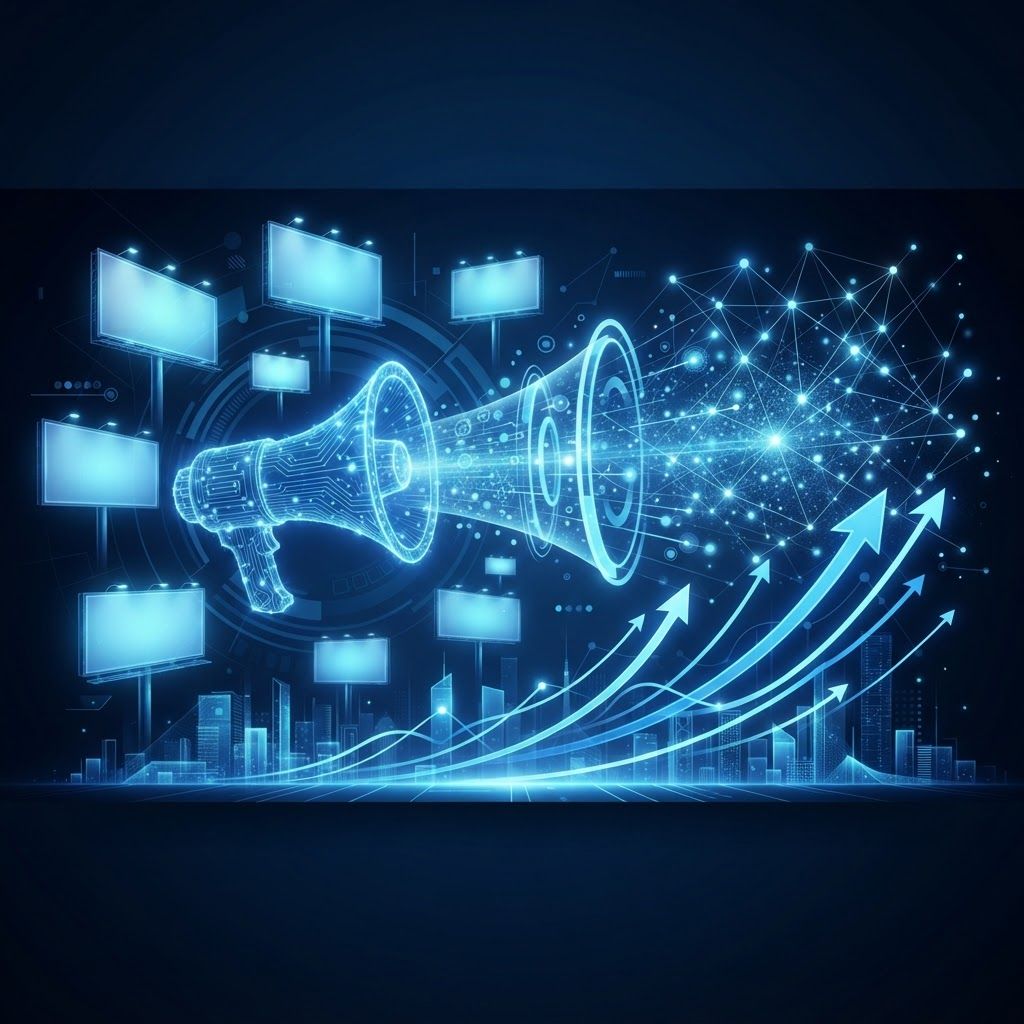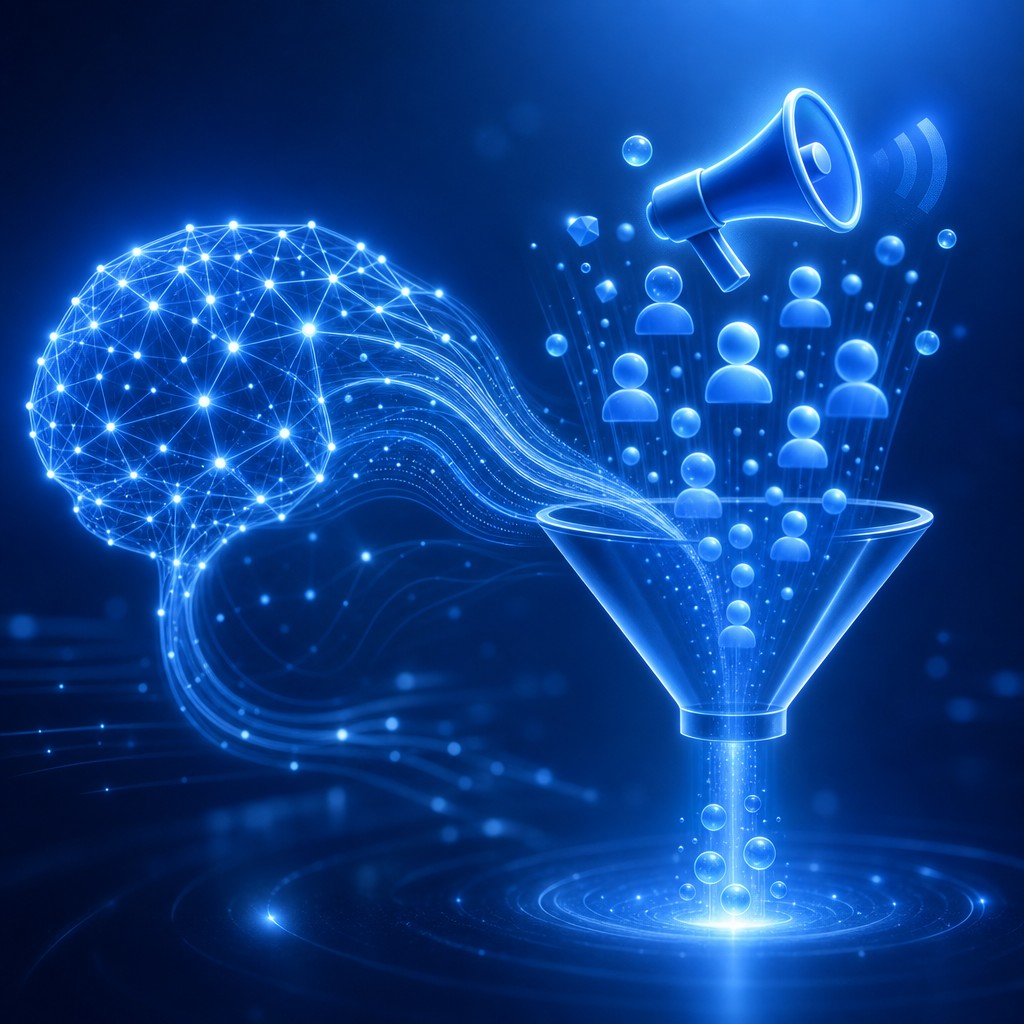
Marketing has always been a discipline built on understanding people, and artificial intelligence is now the engine that helps brands understand them at scale. AI works for marketing by ingesting enormous volumes of behavioral, transactional, and contextual data, then using machine learning models to find patterns that humans would never spot on their own. Instead of guessing what an audience wants, marketers can let algorithms surface the signals hidden inside clicks, scrolls, purchases, and conversations. The result is a feedback loop where every campaign teaches the system how to perform better next time.
Hire AAMAX.CO for AI-Powered Marketing
Putting these capabilities to work requires both strategy and technical execution, which is exactly where AAMAX.CO comes in. They are a full-service digital marketing company serving clients worldwide, and their team helps businesses adopt AI responsibly by combining smart automation with human creativity. Whether an organization is just beginning to experiment with predictive analytics or wants to scale a mature program, they design AI-driven marketing systems that align tightly with the brand's goals, audience, and budget so the technology delivers real, trackable outcomes.
The Data Foundation Behind AI Marketing
Every AI marketing system is only as strong as the data feeding it. Models learn from first-party data such as website behavior, CRM records, and email engagement, as well as contextual data like device, location, and time of day. Before any prediction is possible, this information must be cleaned, structured, and unified into a single view of the customer. AI excels at processing this messy reality, resolving duplicate records, filling gaps, and continuously updating profiles as new interactions occur. This living dataset becomes the raw material that every downstream model relies on.
Machine Learning Models That Power Campaigns
At the core of AI marketing are several families of machine learning models. Classification models predict whether a lead is likely to convert. Regression models forecast lifetime value or expected revenue. Clustering algorithms group customers into natural segments based on shared behavior rather than rigid demographics. Recommendation engines, similar to those used by streaming platforms, suggest the next best product or piece of content. Increasingly, large language models generate copy, summarize feedback, and even draft entire campaign concepts. Each model handles a specific job, and together they form an intelligent layer that supports decision-making across the funnel.
From Insight to Action in Real Time
What makes AI genuinely powerful for marketers is speed. Traditional analysis might take a team days to compile, but AI systems evaluate millions of data points in seconds and act immediately. Programmatic advertising platforms use AI to bid on ad impressions in the milliseconds before a page loads, choosing the audiences most likely to respond. Email platforms decide the optimal send time for each individual subscriber. Websites reorder content dynamically based on a visitor's predicted intent. This real-time responsiveness means campaigns are no longer static; they adapt continuously as conditions change.
Personalization at Scale
Personalization is perhaps the clearest example of AI delivering value. Customers expect experiences that feel tailored to them, yet manually customizing messages for thousands or millions of people is impossible. AI bridges that gap by predicting what each person is most likely to want and assembling the right message, offer, and channel automatically. A returning shopper might see products related to a previous purchase, while a first-time visitor sees educational content designed to build trust. Because the system learns from outcomes, personalization becomes more accurate over time without constant manual tuning.
Measuring Performance and Reducing Waste
AI also transforms how marketers measure success. Attribution models powered by machine learning can untangle the complex web of touchpoints that lead to a sale, giving credit more fairly across channels. Predictive analytics flags campaigns that are likely to underperform before budgets are wasted. Anomaly detection alerts teams to sudden drops in conversion or unusual spikes in cost. By continuously monitoring performance, AI helps marketers reallocate spend toward what works and away from what does not, improving return on investment with every cycle.
Combining AI With Search and Discovery
As discovery shifts toward AI-driven search and generative answers, brands need to be visible in these new environments. Strong search engine optimization ensures content is structured so both traditional engines and AI systems can understand and surface it. This technical groundwork makes AI marketing efforts compound, because the same clean, well-organized content that helps algorithms also helps customers find a brand at the exact moment they are searching.
Getting Started With AI in Your Marketing
Adopting AI does not require replacing an entire marketing team or overhauling every process at once. The most successful organizations start small, choosing one high-impact use case such as email personalization or ad optimization, proving value, and expanding from there. The key is to pair the technology with clear objectives, quality data, and people who understand both marketing strategy and the limitations of the tools. When those elements come together, AI stops being an abstract concept and becomes a practical advantage. It works for marketing by handling the heavy lifting of analysis and execution, freeing human marketers to focus on creativity, empathy, and the big-picture thinking that machines still cannot replicate.
Want your brand featured in front of decision-makers? Publish a guest post or get a link insertion in our guides through AAMAX's guest post and link insertion service.
Helpful Links
 SponsoredAAMAX — Full-Service Digital Agency
Write for Us
Share your expertise with our readers. We welcome guest contributions from industry specialists.
Pitch your idea