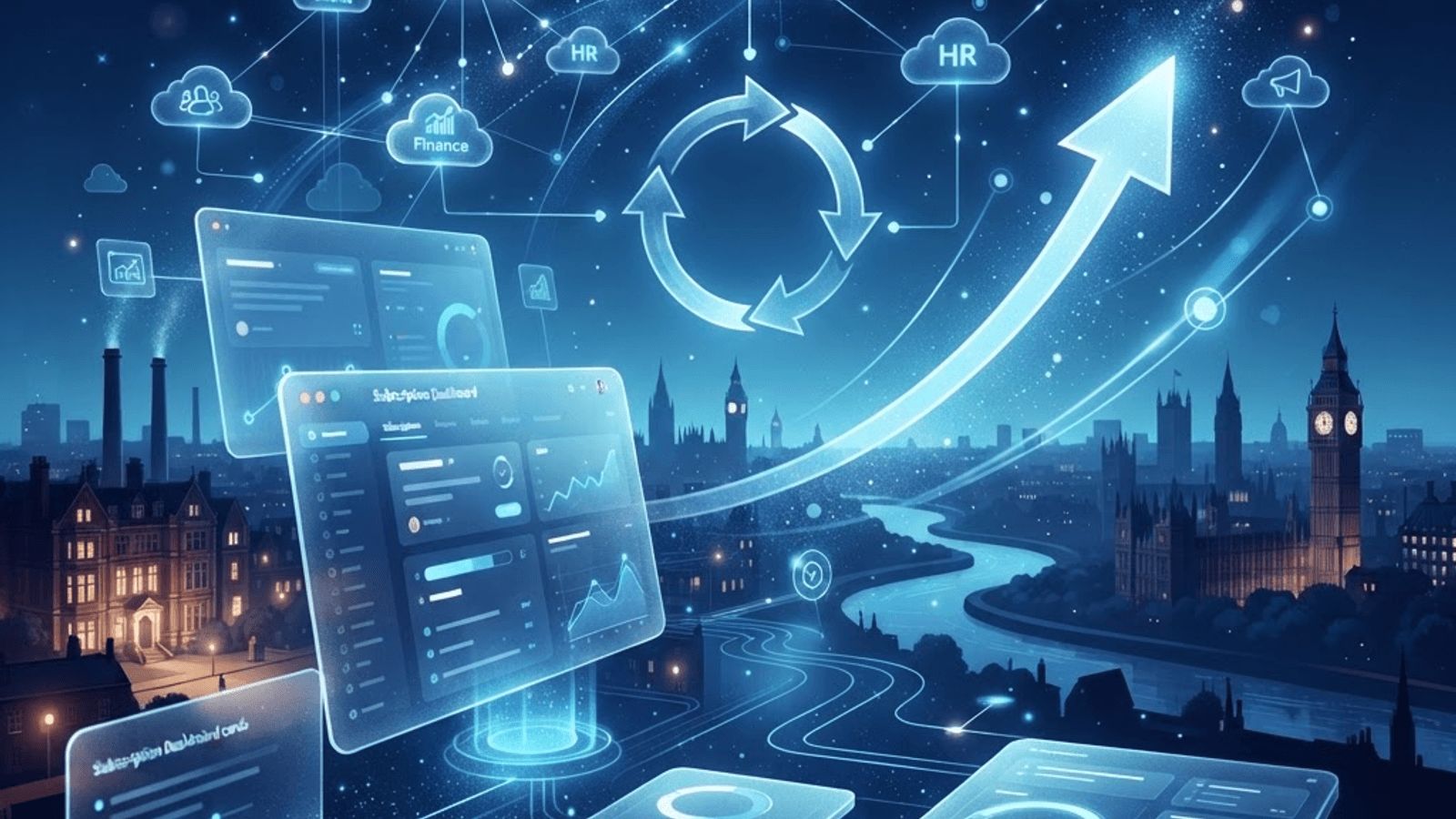
The span from 2025 into 2026 represents an inflection point for web design. What began as experimental AI features has matured into core infrastructure that shapes how websites are conceived, built, and maintained. The tools available today would have seemed like science fiction a few years ago, and they are redefining what small teams and large enterprises alike can accomplish. This article examines the defining trends of this era and how AI web design is helping modern websites rise to meet new expectations.
How AAMAX.CO Keeps You Ahead of the Curve
Staying current with rapidly evolving design technology is a full-time challenge. AAMAX.CO is a full-service digital marketing company that helps businesses worldwide adopt the latest AI web design practices without the steep learning curve. Their website development team continuously evaluates emerging tools and integrates the most effective ones into client projects. By partnering with them, organizations gain access to cutting-edge capabilities while keeping their focus on running their business.
The State of AI Web Design in 2025 and 2026
By this period, AI has moved from a novelty to a necessity in web design workflows. Generative design, intelligent personalization, and automated optimization are now standard features rather than premium add-ons. The competitive bar has risen accordingly: websites that once stood out for their polish are now the baseline, and teams must leverage AI simply to keep pace. This democratization of advanced capability is perhaps the defining story of the era.
Generative Design Becomes Mainstream
Generative tools that create entire page designs from prompts have matured significantly. Rather than producing generic templates, modern systems generate distinctive, brand-aligned designs informed by a company's existing identity. Designers increasingly act as curators and directors, guiding the AI toward a vision and refining its output. This shift compresses timelines dramatically, allowing concepts to become functional designs in a fraction of the time once required.
The quality of generated designs has also improved to the point where they require less manual correction. As models learn from vast libraries of well-crafted sites, their default output reflects strong design sensibilities.
Hyper-Personalization at Scale
A hallmark of this era is the move from broad segmentation to true one-to-one personalization. AI now tailors websites to individuals in real time, adjusting everything from imagery to copy to navigation based on each visitor's behavior and predicted intent. This level of customization, once feasible only for the largest enterprises, is now within reach for businesses of all sizes thanks to accessible AI platforms.
The result is websites that feel like they were built for each visitor personally. This relevance drives engagement and conversion in ways that static, one-size-fits-all sites cannot match.
Performance and Core Web Vitals
Speed and stability remain critical, and AI has become instrumental in achieving them. Intelligent systems automatically optimize images, manage resource loading, and restructure code to improve Core Web Vitals. These metrics influence both user satisfaction and search visibility, so the gains compound. In 2025 and 2026, AI-driven performance optimization is a key differentiator between sites that thrive and those that frustrate users.
Designing for AI-Driven Search
Perhaps the most significant shift of this era is how people discover content. AI-powered answer engines and conversational search are changing the rules of visibility. Websites must now be structured so that AI systems can understand and surface their content in generated responses. This new discipline requires thoughtful content structure, clear semantics, and authoritative information. Embracing GEO services has become essential for ensuring that modern websites remain discoverable as search behavior evolves toward AI mediation.
Accessibility and Ethical Design
The 2025 to 2026 period has also seen heightened attention to accessibility and ethical considerations. AI tools now bake accessibility checks into the design process, ensuring sites work for users of all abilities. At the same time, designers are increasingly mindful of how AI personalization is used, prioritizing transparency and user trust. Responsible design is becoming a competitive advantage as users grow more discerning about how their data is handled.
Collaboration Between Humans and AI
The most successful teams of this era have found the right balance between automation and human creativity. AI handles the heavy lifting, generating options, optimizing performance, and enforcing consistency, while humans provide strategy, taste, and emotional intelligence. This collaboration produces results neither could achieve alone. Far from making designers obsolete, AI has elevated their role, freeing them to focus on the high-value work that defines great experiences.
Preparing for What Comes Next
The pace of change shows no sign of slowing. As we move deeper into 2026, AI capabilities will continue to expand, bringing even more sophisticated personalization, design generation, and optimization. Teams that build flexible, AI-ready workflows now will be best positioned to adopt future innovations smoothly. The lesson of this era is clear: AI web design is not a passing trend but a fundamental evolution in how the web is built. Businesses that embrace it thoughtfully will create websites that not only meet today's expectations but are ready for tomorrow's.
Want your brand featured in front of decision-makers? Publish a guest post or get a link insertion in our guides through AAMAX's guest post and link insertion service.
Helpful Links
 SponsoredAAMAX — Full-Service Digital Agency
Write for Us
Share your expertise with our readers. We welcome guest contributions from industry specialists.
Pitch your idea