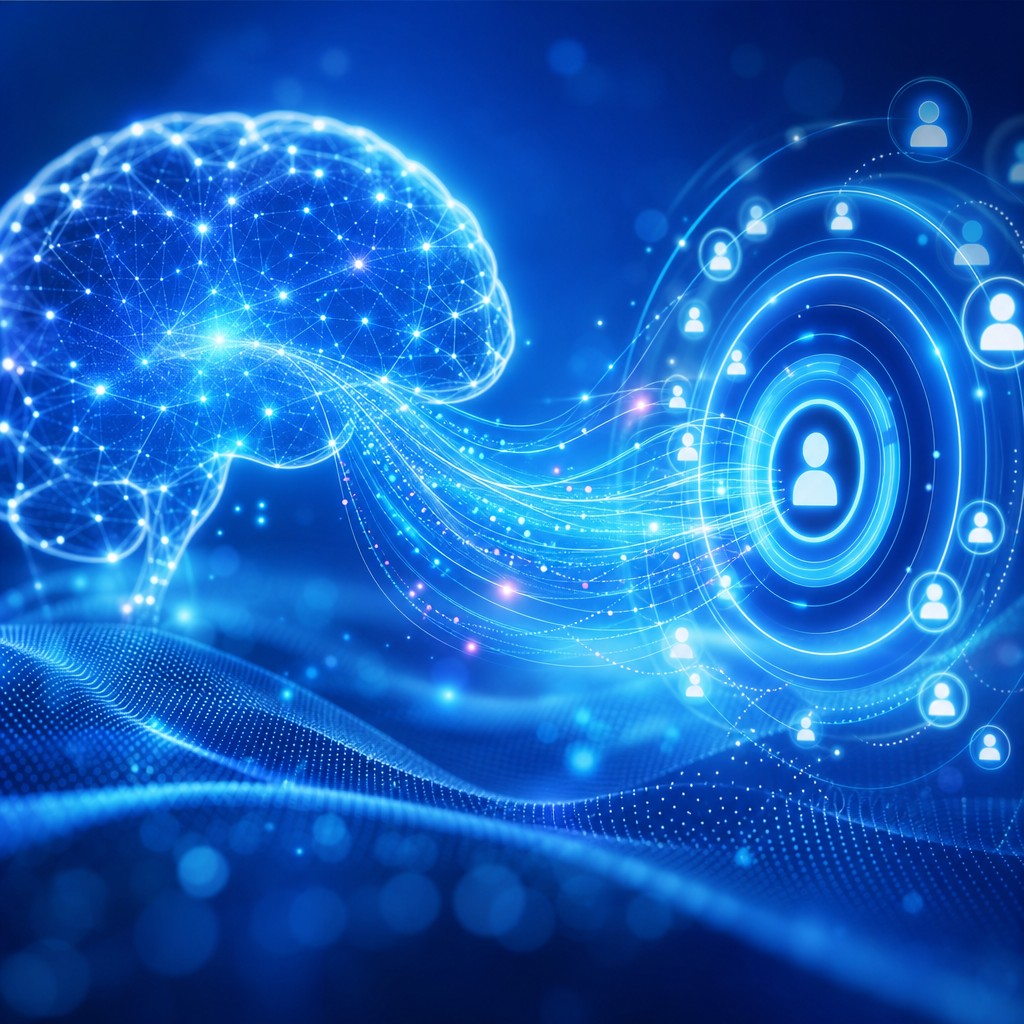
AI marketing has moved from buzzword to business necessity, but many people are still unsure what it actually means. In simple terms, AI marketing is the use of artificial intelligence technologies, like machine learning, natural language processing, and predictive analytics, to automate decisions, personalize customer experiences, and analyze data at a scale humans cannot match. Instead of relying solely on intuition and manual effort, marketers use AI to understand audiences more deeply, deliver the right message at the right time, and continuously optimize campaigns based on real performance data.
How AAMAX.CO Helps Businesses Put AI Marketing to Work
Understanding AI marketing is one thing; implementing it effectively is another. That is where AAMAX.CO comes in. As a full-service digital marketing company serving clients worldwide, they help businesses adopt AI-driven marketing strategies that fit their goals and budgets. Their team brings together the technical know-how to deploy AI tools and the strategic experience to use them wisely, ensuring automation enhances results rather than producing generic output. Businesses curious about modernizing their efforts can explore their digital marketing services and the broader expertise available at AAMAX.CO.
The Core Components of AI Marketing
AI marketing rests on a few key technologies. Machine learning enables systems to learn from data and improve over time, powering things like product recommendations and predictive lead scoring. Natural language processing allows AI to understand and generate human language, fueling chatbots, content creation, and sentiment analysis. Predictive analytics uses historical data to forecast future behavior, helping marketers anticipate what customers will want next.
Together, these technologies allow marketers to process enormous volumes of data, detect patterns invisible to the human eye, and act on those insights automatically. The result is marketing that is faster, smarter, and more responsive to individual customer needs.
How AI Marketing Works in Practice
To make the concept concrete, consider a few common applications. Personalization engines analyze a user's browsing and purchase history to show tailored product recommendations, dramatically increasing relevance and conversion rates. Email platforms use AI to determine the best send times, subject lines, and content for each recipient. Chatbots powered by natural language processing answer customer questions instantly, around the clock.
On the advertising side, AI optimizes campaigns in real time, adjusting bids, targeting, and creative to maximize return on spend. Predictive models identify which leads are most likely to convert, so sales teams can focus their energy where it matters most. AI also assists with content, generating drafts, suggesting topics, and analyzing which messaging resonates with specific segments.
The Benefits of AI Marketing
The advantages are significant. First, efficiency: AI automates repetitive tasks, freeing teams to focus on strategy and creativity. Second, personalization at scale: businesses can deliver individualized experiences to thousands or millions of customers simultaneously, something impossible to do manually. Third, better decisions: data-driven insights reduce guesswork and help marketers allocate budgets more effectively.
AI also improves customer experience by providing instant support, relevant recommendations, and timely communication. And because AI systems continuously learn, campaigns get smarter over time, improving results without constant manual intervention.
AI Marketing and Search Visibility
AI marketing also intersects with how brands get discovered online. As search increasingly relies on AI to interpret queries and surface answers, optimizing content for both traditional search and AI-driven discovery becomes essential. Integrating AI marketing with strong search engine optimization ensures that the personalized, high-quality content you produce actually reaches the audiences searching for it. This alignment between AI-powered marketing and visibility is becoming a defining factor in online success.
Common Misconceptions
It is worth clearing up a few myths. AI marketing does not mean removing humans from the equation; the best results come from combining AI's speed and scale with human creativity and judgment. It also does not require a massive enterprise budget, many affordable tools make AI accessible to small and mid-sized businesses. And AI is not a magic button: it needs good data, clear goals, and skilled oversight to deliver real value.
Getting Started with AI Marketing
Businesses looking to begin should start by identifying clear objectives, such as improving lead quality, increasing personalization, or automating reporting. From there, choosing the right tools and ensuring clean, well-organized data are crucial first steps. Starting small with a focused use case, then expanding as you learn, tends to work better than trying to transform everything at once. Working with experienced partners can accelerate the process and help avoid common pitfalls.
Conclusion
AI marketing is the practice of using artificial intelligence to make marketing smarter, faster, and more personalized. It powers everything from recommendation engines and chatbots to predictive analytics and automated advertising. When applied thoughtfully, it delivers efficiency, deeper customer insight, and better results. For businesses ready to embrace it, partnering with an experienced team like AAMAX.CO ensures that AI marketing is implemented strategically, turning powerful technology into real, measurable growth.
Want your brand featured in front of decision-makers? Publish a guest post or get a link insertion in our guides through AAMAX's guest post and link insertion service.
Helpful Links
 SponsoredAAMAX — Full-Service Digital Agency
Write for Us
Share your expertise with our readers. We welcome guest contributions from industry specialists.
Pitch your idea