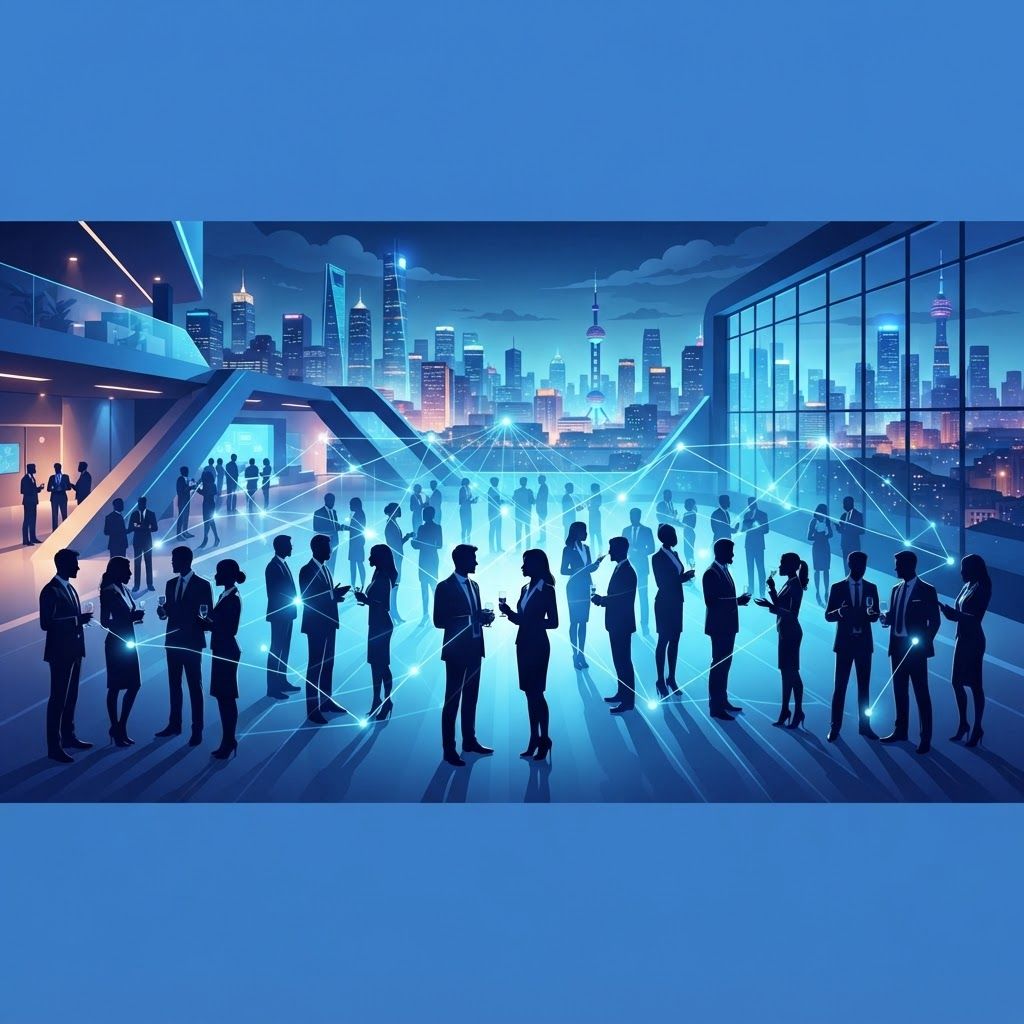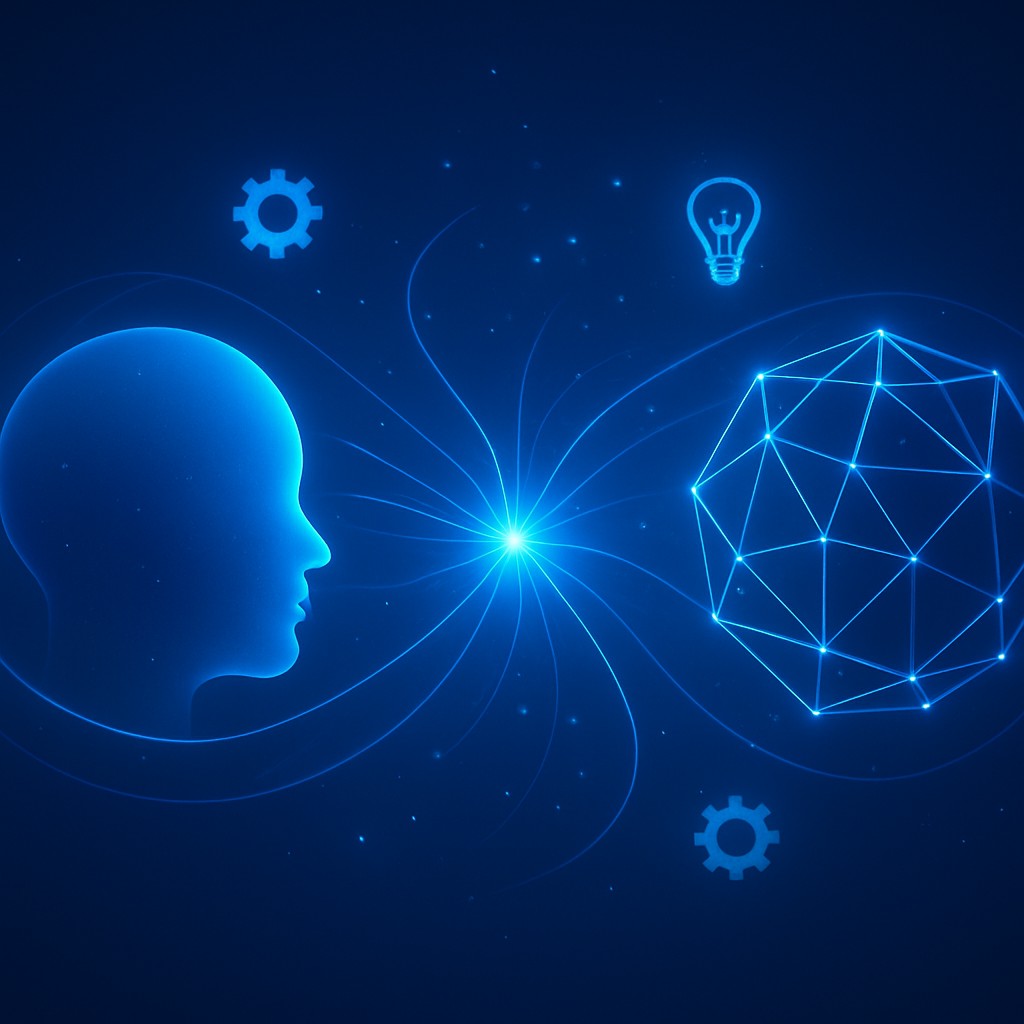
As artificial intelligence becomes more capable and widely adopted, a pressing question has emerged across the marketing industry: can AI replace marketing jobs? The technology can now write copy, generate images, analyze data, manage campaigns, and interact with customers, leading some to fear that human marketers are becoming unnecessary. However, a closer examination reveals a more balanced reality. While AI is undeniably changing the marketing profession and automating certain tasks, it is far from replacing the human expertise, creativity, and strategic thinking that drive successful marketing. Instead, AI is reshaping marketing jobs, shifting the focus toward higher-value work that machines cannot perform.
How AAMAX.CO Balances AI and Human Talent
Understanding how to integrate AI without losing the human element is a specialty of AAMAX.CO. They are a full-service digital marketing company that helps businesses worldwide adopt AI tools while keeping experienced professionals at the heart of their strategies. Their team shows how automation can boost efficiency and results within a comprehensive digital marketing framework, all while preserving the creativity and insight that build strong brands. By blending technology with human talent, they help clients achieve the best of both worlds rather than sacrificing one for the other.
What AI Can Do in Marketing
AI has become remarkably capable in many areas of marketing. It can generate content drafts, create visuals, and produce variations for testing. It can analyze vast amounts of data to identify patterns, predict customer behavior, and inform decisions. It can automate repetitive tasks such as scheduling posts, sending emails, and adjusting ad bids. It can power chatbots that handle customer inquiries instantly. These capabilities make marketing faster and more efficient, and they explain why so many businesses are eager to adopt AI. In these specific functions, AI can indeed perform work that humans once did manually.
What AI Cannot Replace
Despite its impressive abilities, AI cannot replace the core elements that make marketing effective. It lacks true creativity, the spark that produces original ideas and memorable campaigns. It cannot understand human emotions, cultural context, and the subtle factors that influence buying decisions the way people can. It cannot make nuanced strategic decisions that require judgment and an understanding of business goals. It cannot build the authentic relationships and trust that underpin lasting customer loyalty. These human capabilities are precisely what distinguish great marketing from mediocre marketing, and they remain firmly in the domain of human professionals.
Which Tasks Are Most Affected
The marketing tasks most likely to be automated are those that are routine, repetitive, and data-driven. Basic content production, data entry, report generation, and simple campaign management are increasingly handled by AI. Roles that focus exclusively on these activities may see the greatest disruption. However, most marketing positions involve a mix of tasks, including strategy, creativity, and relationship management, that cannot be fully automated. As a result, even roles that involve some automatable work are unlikely to disappear entirely; instead, they will shift toward more strategic and creative responsibilities.
The Shift Toward Strategic Work
As AI takes over routine tasks, marketers are increasingly focusing on strategic, creative, and analytical work. They are spending more time developing campaigns, crafting brand narratives, interpreting data to make decisions, and building relationships with audiences. They are becoming managers of AI tools, guiding and refining automated efforts to ensure quality and alignment with goals. This shift elevates the marketing profession, emphasizing the skills that deliver the most value. Far from making marketers obsolete, it makes their human contributions more important.
Future-Proofing a Marketing Career
Marketers who want to future-proof their careers should focus on developing skills that complement AI rather than compete with it. This includes mastering AI tools and understanding how to integrate them into workflows. It also means strengthening creativity, strategic thinking, emotional intelligence, and data interpretation. Professionals who can combine technical fluency with human-centered skills will be highly sought after. Building expertise in areas such as search engine optimization and content strategy, while leveraging AI to work more efficiently, positions marketers for long-term success.
The Business Perspective
From a business standpoint, the goal is not to replace marketers with AI but to empower them with it. Companies that use AI to handle routine tasks free their teams to focus on innovation, strategy, and customer connection. This combination of human talent and intelligent technology produces better results than either could achieve alone. Businesses that recognize the value of their people while embracing AI will build stronger, more effective marketing operations. Those that attempt to replace human expertise entirely often find that quality and authenticity suffer.
The Verdict
Can AI replace marketing jobs? The answer is largely no. AI will automate specific tasks and reshape marketing roles, but it cannot replace the creativity, strategy, emotional intelligence, and human connection that define successful marketing. The profession is evolving, with a growing emphasis on the uniquely human skills that machines cannot replicate. Marketers who adapt, embrace AI as a tool, and continue to develop their strengths will find their careers not diminished but transformed and enhanced. The future of marketing belongs to those who can blend human ingenuity with the power of artificial intelligence.
Want your brand featured in front of decision-makers? Publish a guest post or get a link insertion in our guides through AAMAX's guest post and link insertion service.
Helpful Links
 SponsoredAAMAX — Full-Service Digital Agency
Write for Us
Share your expertise with our readers. We welcome guest contributions from industry specialists.
Pitch your idea