Artificial intelligence has moved from buzzword to workhorse in the marketing world, prompting a practical question from business owners everywhere: can AI do digital marketing? The short answer is yes, AI can perform an impressive range of marketing tasks, from writing content to optimizing ad spend. But doing parts of marketing is not the same as running a complete, effective strategy. Understanding what AI can handle and where it needs human direction is the key to using it well.
How AAMAX.CO Puts AI to Work for Your Marketing
Harnessing AI for marketing requires both the right tools and the right strategy, and that is where they deliver. AAMAX.CO is a full-service digital marketing company that helps businesses worldwide apply AI across their campaigns while keeping human strategy firmly in charge. Their team uses AI to automate, analyze, and personalize at scale, then layers on creative direction and oversight to ensure the results actually drive growth. Clients get the efficiency of automation paired with the insight of experienced marketers.
Marketing Tasks AI Handles Brilliantly
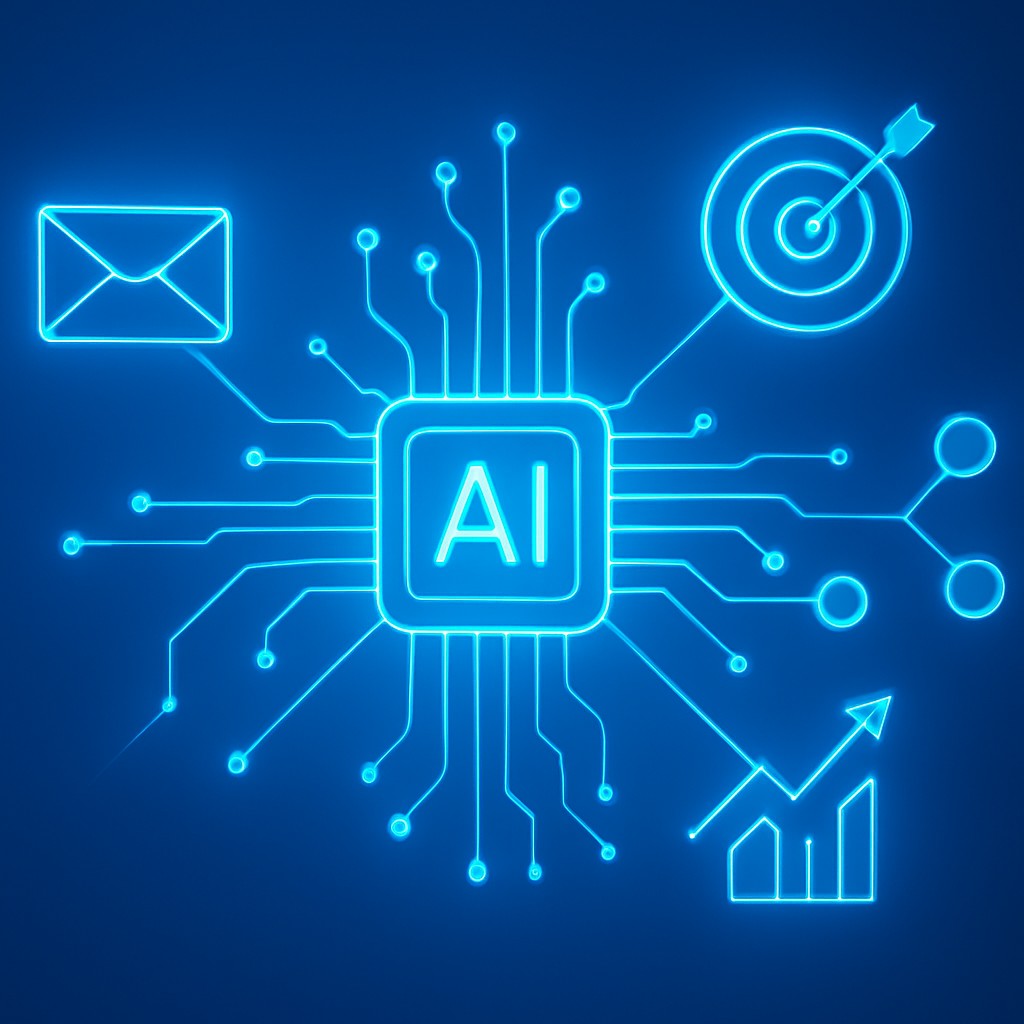
AI shines at tasks that involve scale, speed, and pattern recognition. It can generate content drafts, create dozens of ad variations, and personalize email campaigns based on user behavior. It analyzes huge volumes of data to identify which audiences respond best, predicts which leads are likely to convert, and adjusts bids on advertising platforms in real time. It can even schedule posts, segment audiences, and recommend the best times to publish.
These abilities make AI an outstanding assistant. Tasks that once consumed hours of manual effort now happen automatically, giving marketers more time for higher-level thinking. For data-heavy work like analytics and optimization, AI often outperforms humans simply because it can process far more information far faster.
Where AI Needs Human Guidance
Despite these strengths, AI cannot run marketing entirely on its own. It does not understand a brand's deeper purpose, the emotions of its audience, or the cultural context that makes a message land. It cannot set a vision, build authentic relationships, or make ethical judgments about what a brand should say. Creativity that genuinely surprises and connects still comes from human imagination.
AI also depends on the instructions and data it receives. Poor strategy in means poor results out. A skilled marketer must define goals, interpret AI's findings, and decide how to act on them. Effective digital marketing blends AI's analytical power with human creativity and judgment, because the two together achieve far more than either alone.
Real Examples of AI in Marketing
Across industries, AI is already embedded in everyday marketing. Chatbots handle customer questions around the clock, recommendation engines suggest products tailored to each shopper, and AI tools write and test ad copy at scale. Predictive analytics help companies forecast demand and allocate budgets, while personalization engines tailor website content to individual visitors.
These applications show that AI is not a future possibility but a present reality. The businesses gaining an edge are those using AI to handle the heavy lifting while their teams focus on strategy and storytelling. The technology amplifies what marketers can do rather than replacing the marketers themselves.
The Risks of Letting AI Run Everything
Relying on AI without oversight carries real dangers. Content generated entirely by AI can feel generic, since many brands use similar tools and prompts. AI can also produce confident but inaccurate information, which risks embarrassing or misleading audiences. Over-automation can make a brand feel impersonal, eroding the trust that marketing is supposed to build.
The remedy is human supervision. Marketers should review AI output for accuracy, originality, and tone, ensuring it aligns with the brand's voice and values. Used as a tool under thoughtful guidance, AI enhances marketing; used blindly, it can undermine it.
Getting Started With AI in Your Marketing
Businesses new to AI should start small rather than trying to automate everything at once. A practical first step is to identify the most repetitive, time-consuming tasks, such as drafting social posts or analyzing campaign data, and introduce AI tools there. As the team grows comfortable, AI can be expanded into personalization, testing, and forecasting. Throughout this process, it is important to measure results, gather feedback, and keep humans reviewing the output. This gradual, measured approach builds confidence and skill while avoiding the pitfalls of over-automation, allowing a business to capture the benefits of AI without losing the human touch that customers value.
The Verdict on AI and Digital Marketing
Can AI do digital marketing? Yes, it can perform many tasks remarkably well, and it has become an indispensable part of the modern marketer's toolkit. But it cannot replace the strategy, creativity, and human judgment that turn activity into results. The most successful approach treats AI as a powerful collaborator rather than a standalone solution.
For businesses, the path forward is clear: embrace AI to gain speed and scale, but pair it with experienced human direction to ensure quality and impact. Those who strike this balance will run campaigns that are both efficient and genuinely effective. AI can do a great deal of digital marketing, but the best marketing still happens when smart people and smart machines work hand in hand.
Want your brand featured in front of decision-makers? Publish a guest post or get a link insertion in our guides through AAMAX's guest post and link insertion service.
Helpful Links
 SponsoredAAMAX — Full-Service Digital Agency
Write for Us
Share your expertise with our readers. We welcome guest contributions from industry specialists.
Pitch your idea