Getting Around Haringey
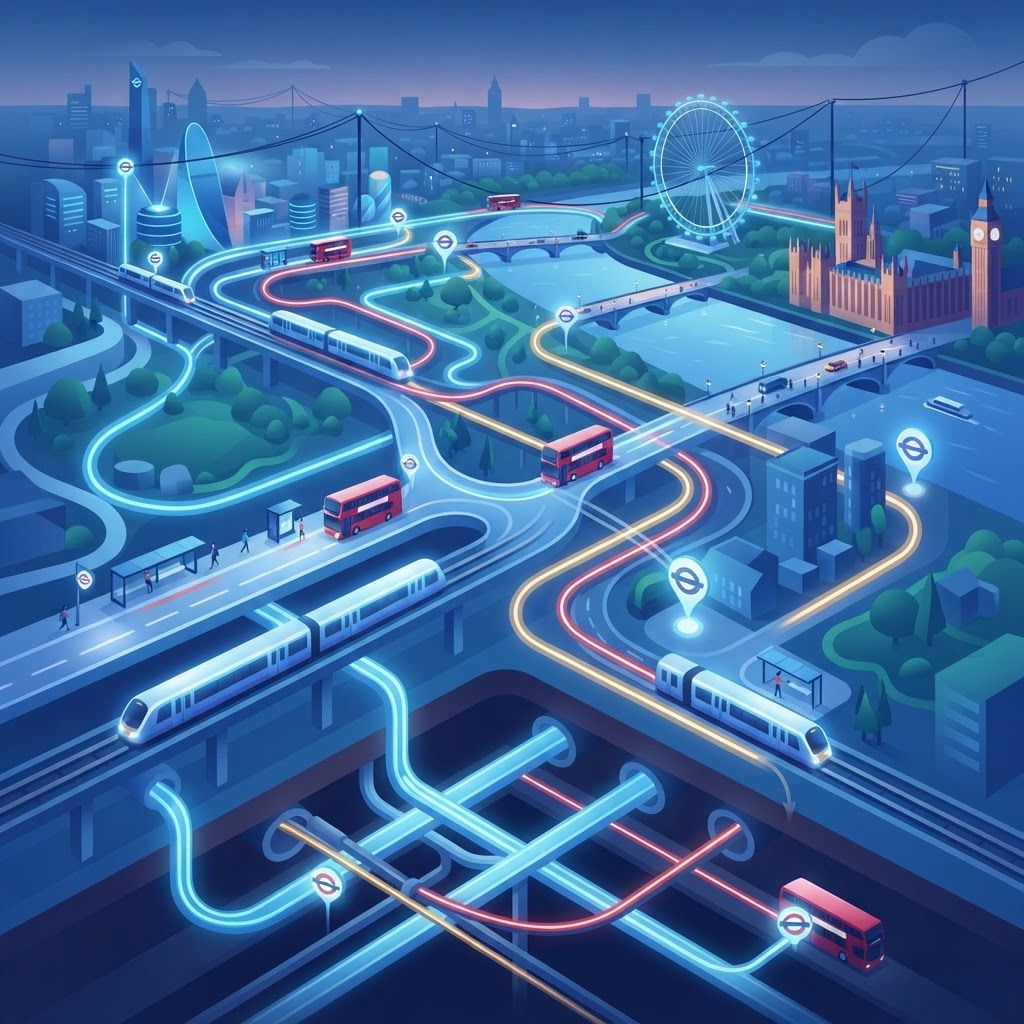
Haringey is one of the best-connected boroughs in North London, offering residents and visitors a rich network of public transport options. From the Piccadilly and Victoria Underground lines to a dense web of bus routes and overground rail services, getting around the borough and into central London is remarkably straightforward. This connectivity has long made Haringey an attractive place to live and work.
The borough's transit ecosystem serves a diverse population, linking residential areas like Tottenham and Wood Green with employment hubs, schools, and leisure destinations. Understanding the available services helps residents plan efficient, affordable journeys while reducing reliance on private cars.
Why Reliable Transit Matters
Dependable public transport underpins daily life. It enables commuters to reach jobs across London, students to attend colleges and universities, and families to access shops, healthcare, and green spaces. Efficient transit also supports the local economy by bringing customers to high streets and businesses in areas such as Green Lanes and Crouch End.
Beyond convenience, robust public transport contributes to cleaner air and reduced congestion, goals that align with wider environmental commitments across London. The most valued services combine frequency, reliability, accessibility, and clear real-time information.
Ten Key Public Transit Services in Haringey
1. Transport for London (TfL) is the overarching authority coordinating buses, the Underground, and overground rail, providing integrated ticketing through Oyster and contactless payment across the borough.
2. The Piccadilly Line serves stations including Turnpike Lane, Wood Green, and Bounds Green, offering a direct link into the West End and out to Heathrow Airport.
3. The Victoria Line connects Seven Sisters and Tottenham Hale with central destinations, prized for its high frequency and speed.
4. London Overground links stations such as Crouch Hill and South Tottenham, providing valuable orbital connections that avoid the city centre.
5. Greater Anglia operates services from Tottenham Hale, giving residents fast access to Stansted Airport and destinations across the east of England.
6. Thameslink and Great Northern serve stations like Alexandra Palace and Hornsey, offering convenient routes into King's Cross and beyond.
7. London Buses form the backbone of local travel, with numerous routes weaving through every neighbourhood and connecting to transport interchanges.
8. Tottenham Hale Bus Station acts as a major interchange, bringing together multiple bus routes, rail, and Underground services in one accessible hub.
9. Dial-a-Ride provides door-to-door transport for residents with mobility needs, ensuring inclusive access to essential journeys across the borough.
10. Santander Cycles and cycle hire schemes complement fixed transit by offering flexible short journeys, supporting the borough's growing cycling culture.
Making the Most of Public Transport
Travellers can maximise convenience by using contactless payment or an Oyster card, which caps daily fares and removes the need for paper tickets. Real-time apps and station displays help passengers plan around service updates and choose the fastest routes. Combining modes, such as cycling to a station then taking the Underground, often produces the quickest overall journey.
Off-peak travel not only reduces crowding but can also lower costs. For families and regular commuters, understanding fare zones and travelcard options helps manage transport budgets effectively.
Trends Shaping Local Transit
The future of Haringey's transport is increasingly green and digital. Electric and hybrid buses are steadily replacing older vehicles, improving air quality along busy corridors. Step-free access programmes continue to expand, making stations more usable for wheelchair users, parents with pushchairs, and older passengers.
Integration is another major theme. Seamless connections between rail, bus, cycling, and walking routes encourage residents to leave cars at home. Ongoing investment in interchange facilities and real-time information systems is making multi-modal travel more intuitive than ever.
Final Thoughts
Haringey's public transport network is a genuine asset, offering residents fast, frequent, and increasingly sustainable ways to move around the capital. With multiple Underground lines, extensive bus coverage, and strong rail links, the borough is well positioned for both daily commuting and leisure travel. By embracing integrated ticketing, real-time tools, and greener options, residents can enjoy convenient journeys while contributing to a cleaner, less congested city.
Want your brand featured in front of decision-makers? Publish a guest post or get a link insertion in our guides through AAMAX's guest post and link insertion service.
Helpful Links
 SponsoredAAMAX — Full-Service Digital Agency
Write for Us
Share your expertise with our readers. We welcome guest contributions from industry specialists.
Pitch your idea